
Last updated November 2, 2026
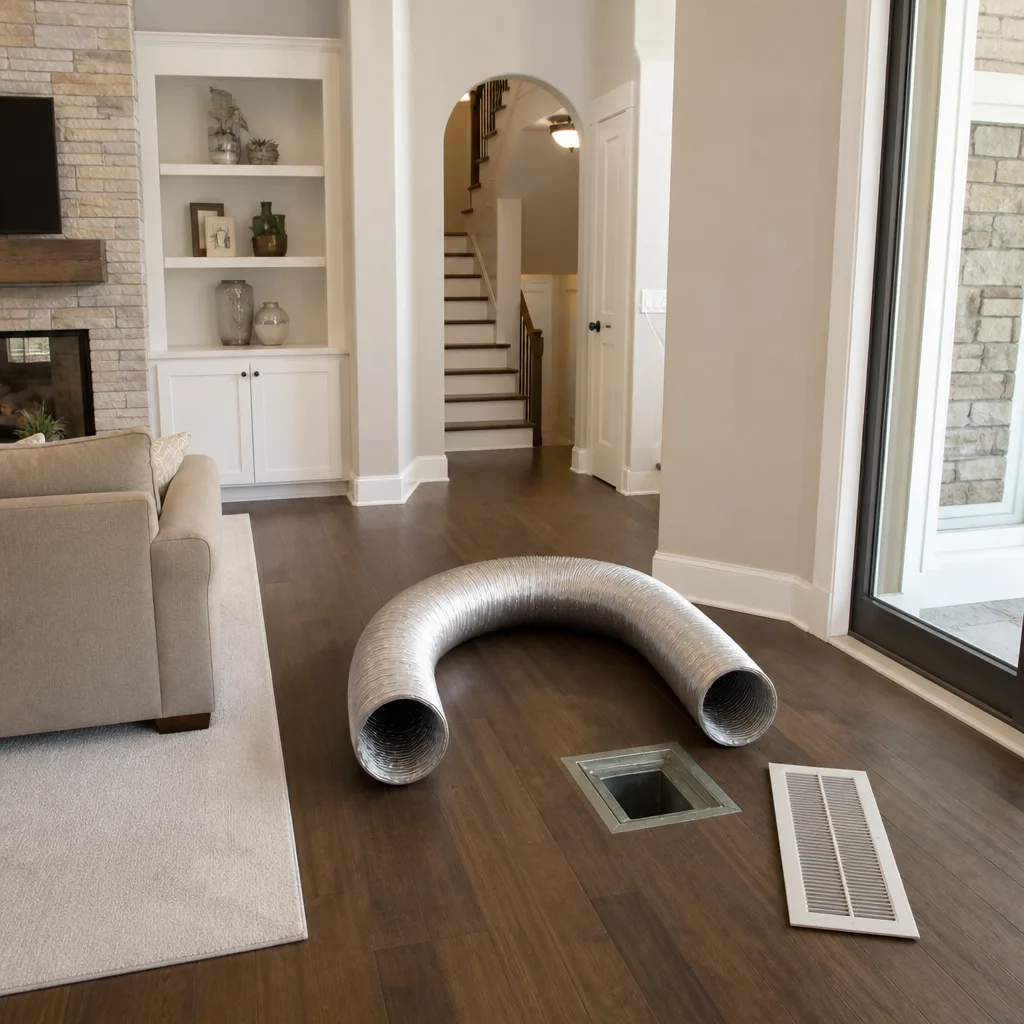 Whole-home duct cleaning
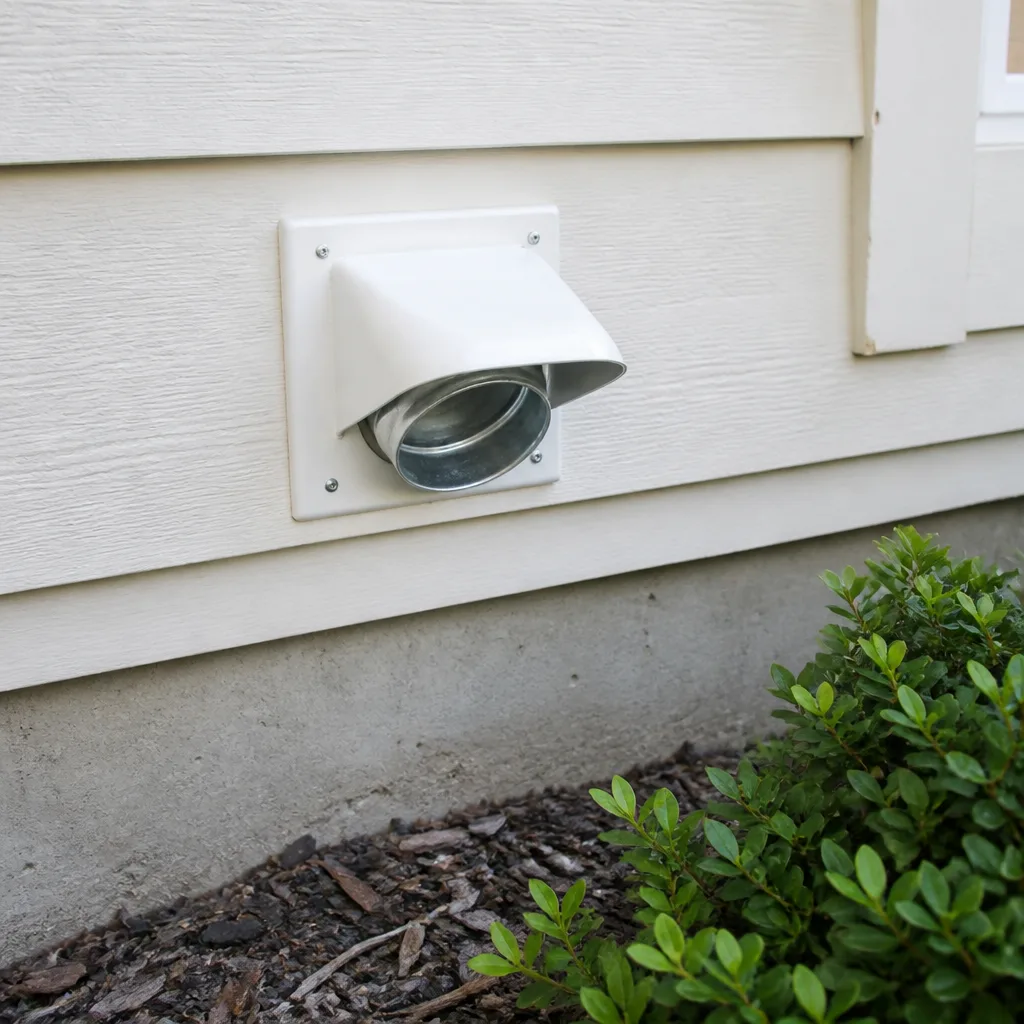 Dryer vent cleaning
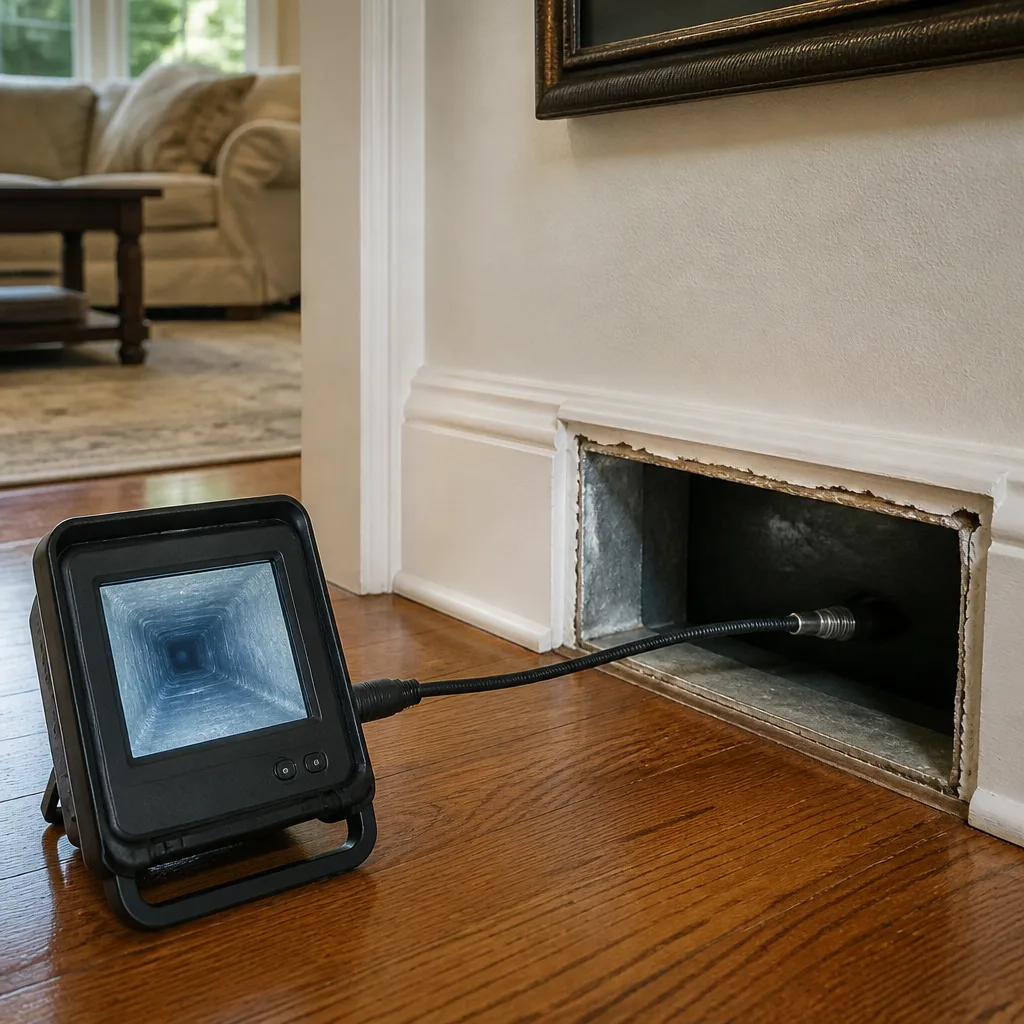 Camera inspection
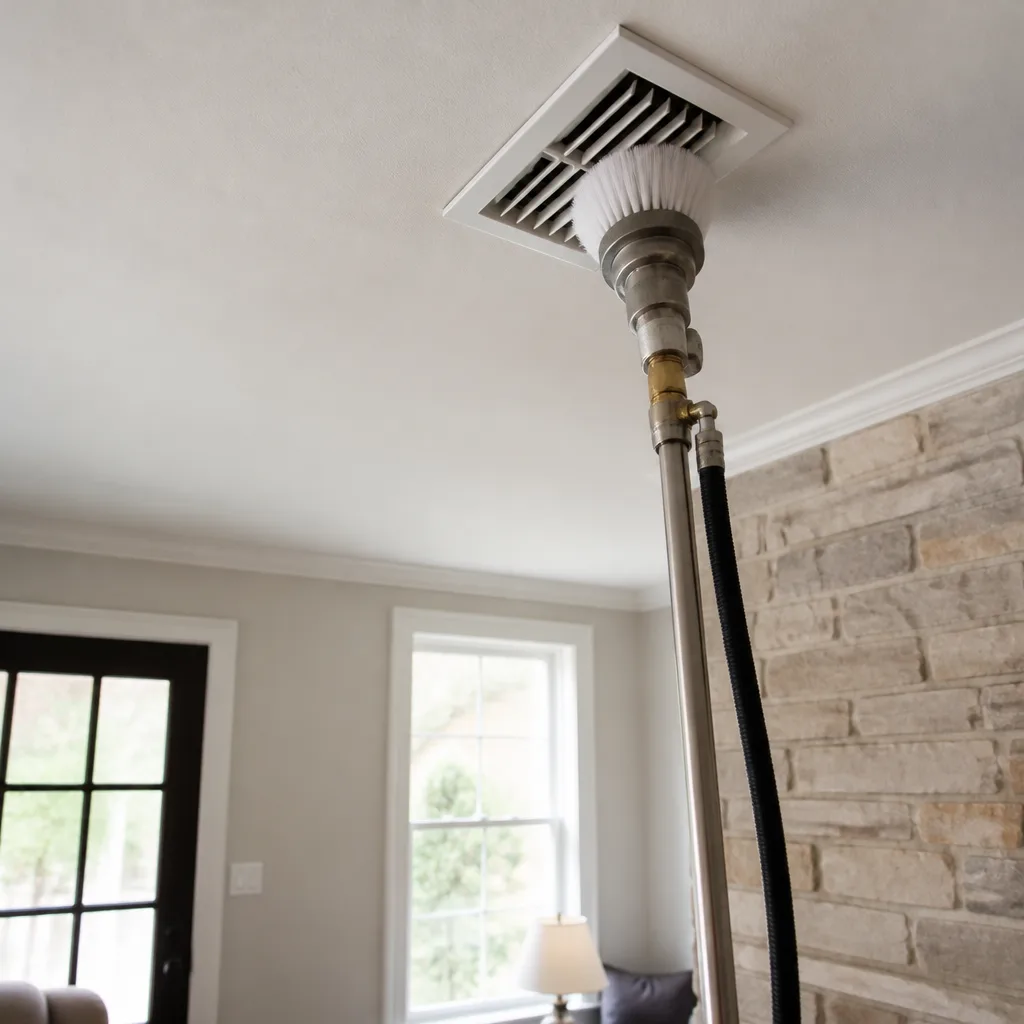 Sanitizing & deodorizing
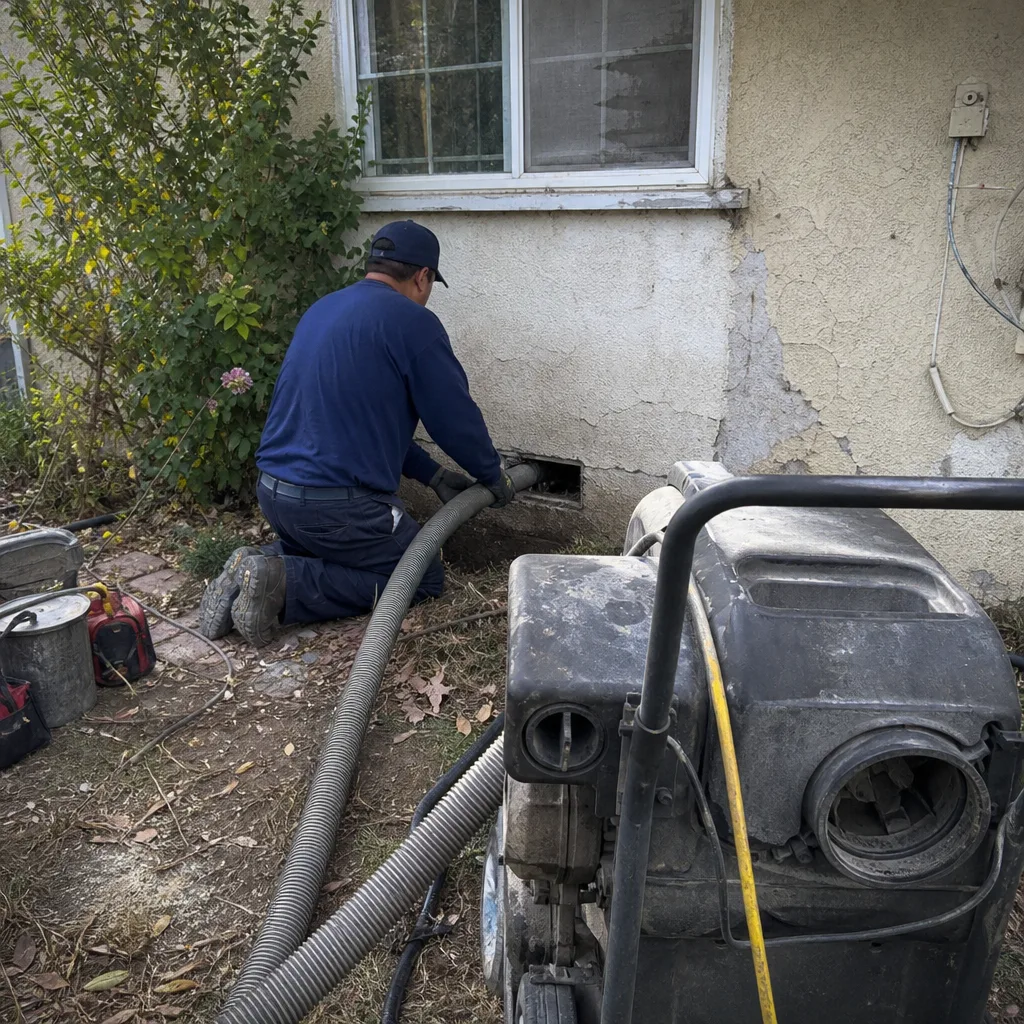
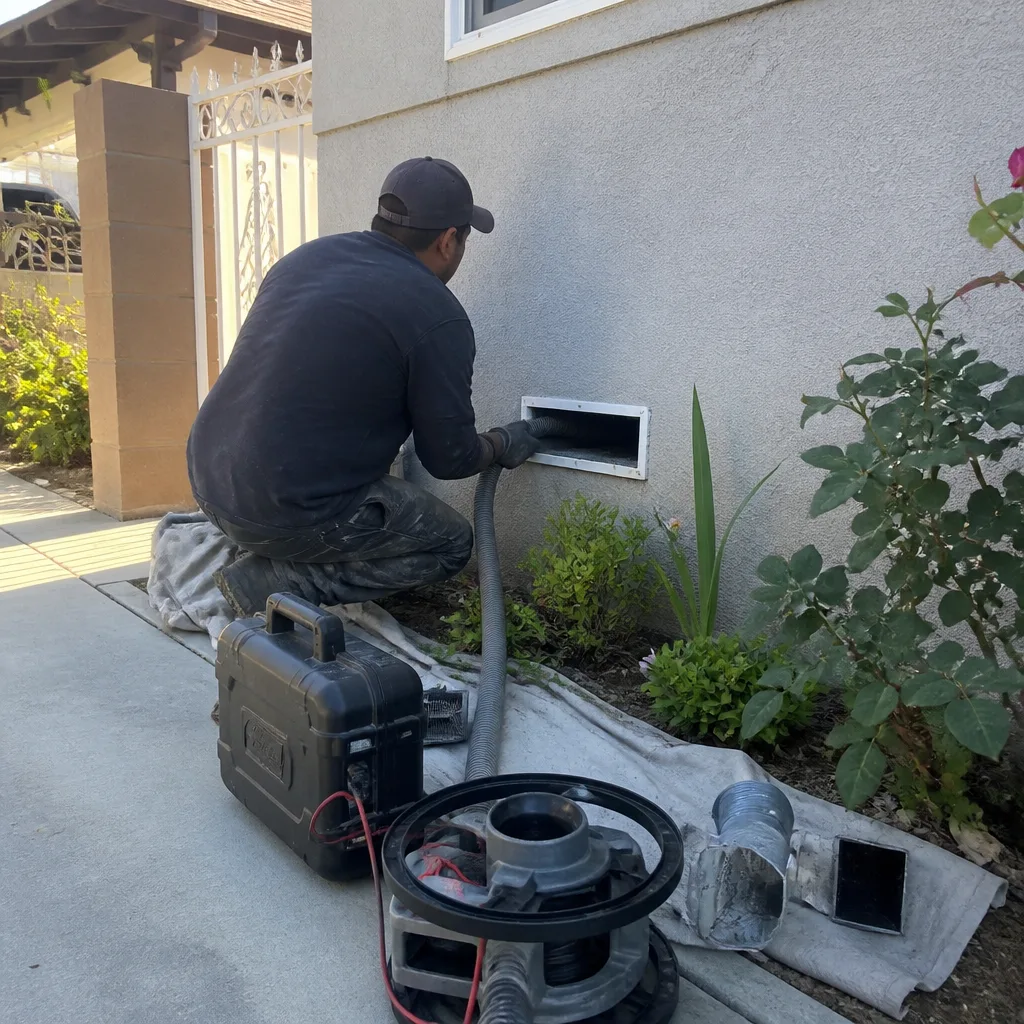
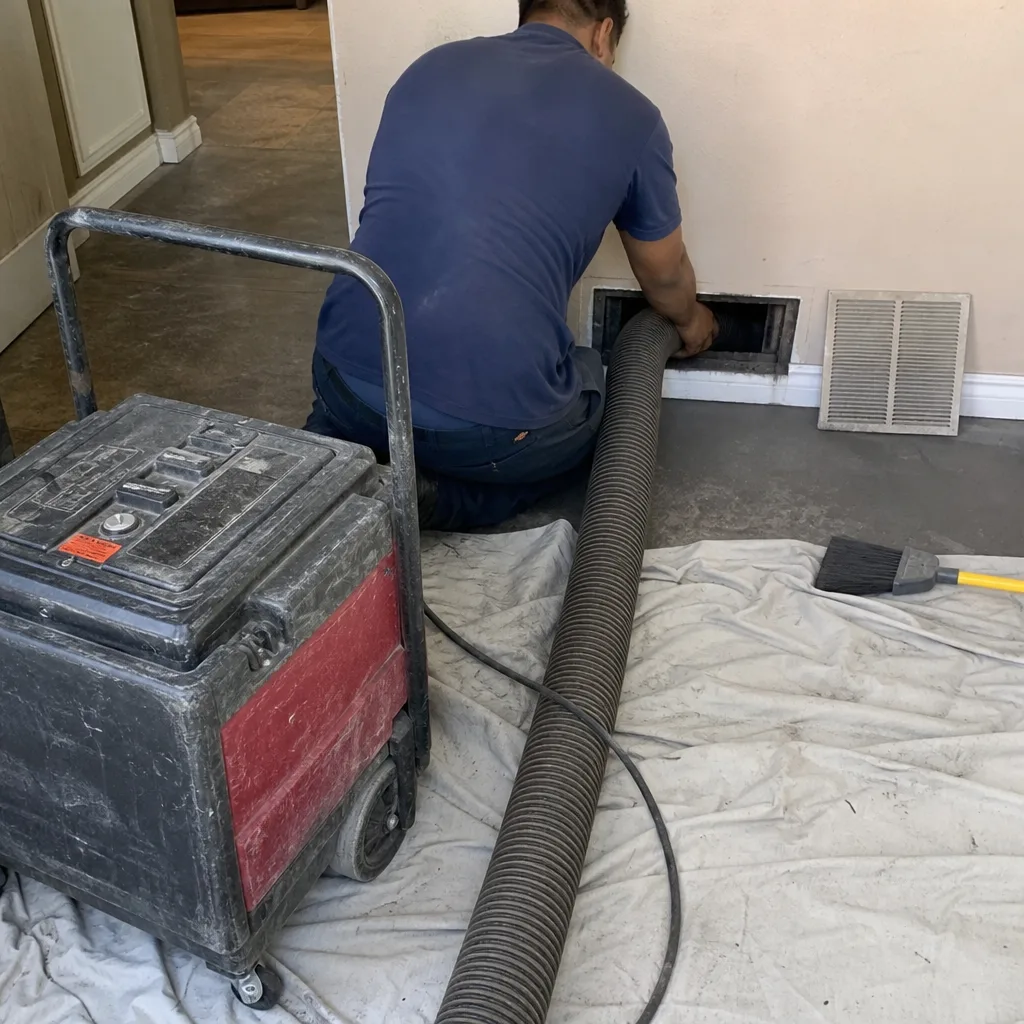
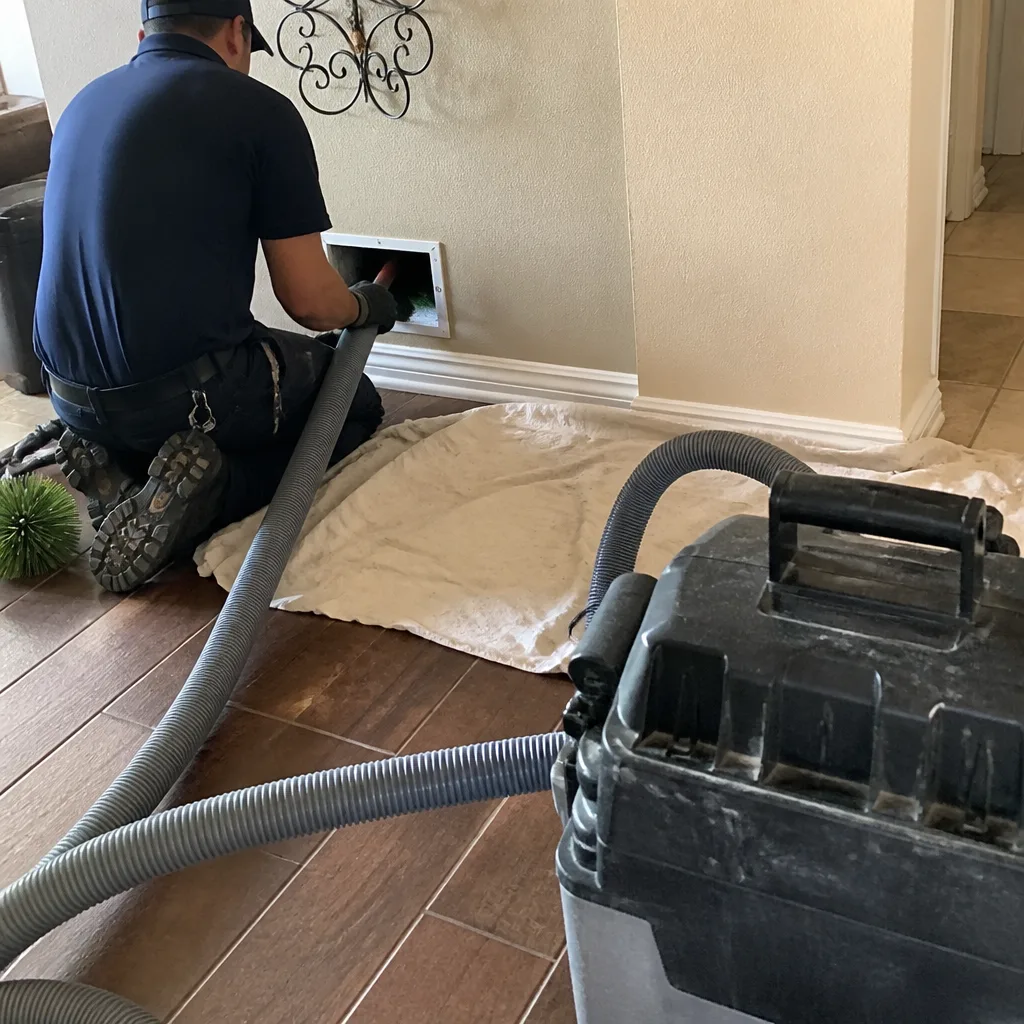
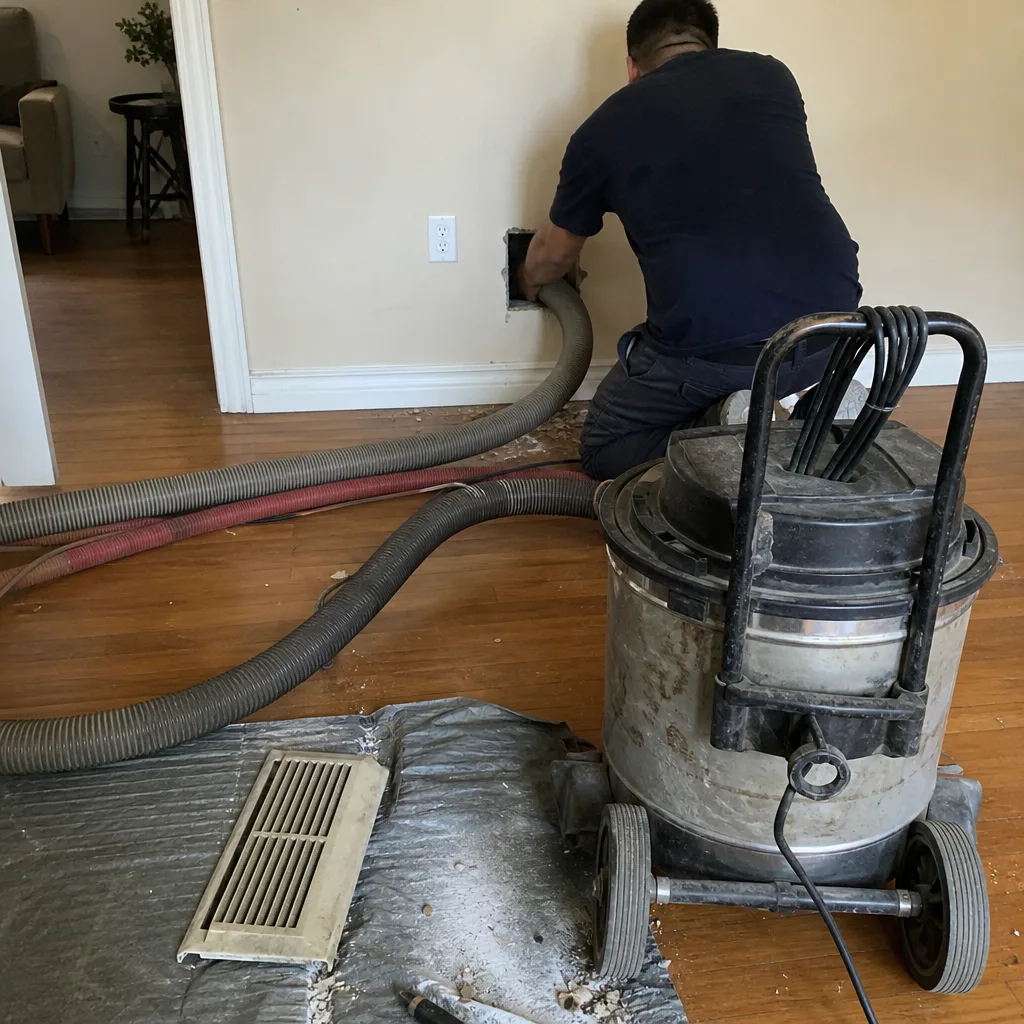
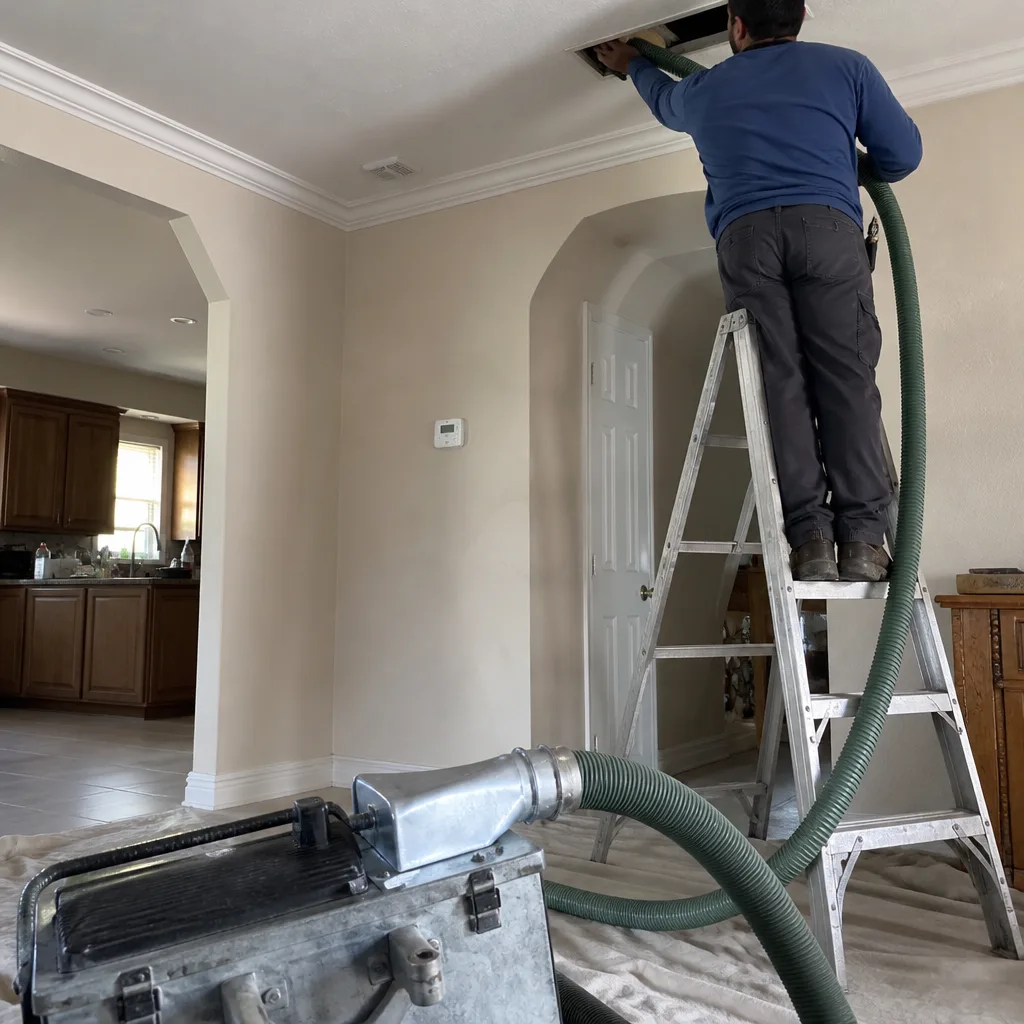
Whole-system duct and dryer vent check with before-and-after photos - you see exactly what came out of your vents
That "$99 whole-house special" is a bait ad - the real number appears once they are in your hallway, or the "clean" is a shop-vac at the register. We photograph the inside of your ducts before and after instead.
Air Duct Cleaning Permits, Codes & Inspections in CA: What You Need to Know
Here’s what surprises most Reseda homeowners: air duct cleaning itself is essentially unregulated as a trade in California. There’s no state license category for it, no permit required to run a brush through your ducts, and no inspector who will ever ask to see your duct-cleaning receipt. But the moment a contractor disconnects a duct run, seals a breach, replaces a section of flex duct, or cuts a new access panel, California Mechanical Code applies. Most people don’t know where that line is drawn, and that ignorance creates real liability when the house is sold or when the work fails. This guide – along with our Air Duct Cleaning Warning Signs: A Reseda Homeowner’s Reference Guide – explains exactly where cleaning ends and regulated work begins, what a C-20 license actually covers, and how to document any duct work done on your home so it doesn’t become a title problem later.
Styles & brands we work with
- Whole-home duct cleaning
- Dryer vent cleaning
- Camera inspection
- Sanitizing & deodorizing
Quick Answer
Routine air duct cleaning in California does not require a permit, a state license, or an inspection. However, any duct repair, reconnection, modification, or replacement falls under the California Mechanical Code and requires a C-20 Warm-Air Heating, Ventilating and Air-Conditioning Contractor license, plus a local building permit when the work alters the system beyond minor maintenance. In short: cleaning is unrestricted, modification is regulated, and the boundary between the two is where homeowners get into trouble.
Table of Contents
- Air Duct Cleaning vs. Air Duct Modification: Where the Legal Line Is
- What a C-20 License Actually Covers (And What It Doesn’t)
- California Mechanical Code Section 601: The Permit Trigger
- Los Angeles County’s Enforcement Posture on Unpermitted HVAC Work
- Title 24 and Duct Inspections: What the Inspector Is Checking
- How to Document Duct Repair Work for Resale
- How Professional Equipment Changes the Permit Conversation
- Common Mistakes to Avoid
- When to Call a Professional
- Frequently Asked Questions
- The Bottom Line
Air Duct Cleaning vs. Air Duct Modification: Where the Legal Line Is
The distinction isn’t academic, and it isn’t always obvious from inside the attic. Air duct cleaning means removing accumulated dust, debris, and biological growth from the interior surfaces of existing ductwork. That work is not licensed, permitted, or inspected in California. No state agency oversees it. No municipality in Los Angeles County requires a permit for it. A homeowner can legally rent a machine and do it themselves, or hire a teenager with a shop vac, and no code official will object.
Modification is different. The moment someone does any of the following, the work crosses into regulated territory:
- Disconnecting a duct run at a plenum or register box
- Reconnecting a duct that has separated from its fitting
- Replacing a damaged section of flex duct or rigid duct
- Sealing a breach with mastic or tape
- Cutting a new access panel into an existing duct
- Adding or moving a supply or return register
- Reinstalling ductwork that has sagged or collapsed
- Altering duct sizing or routing
Each of these actions changes the physical configuration of the HVAC system. Under the California Mechanical Code, that’s mechanical work, not maintenance. It requires a contractor who holds a C-20 license through the Contractors State License Board (CSLB). In Reseda, we routinely find disconnected ducts during what starts as a routine air duct cleaning in Reseda. The cleaning itself is fine to proceed. But the moment a duct needs reconnection or repair, the legal conversation changes, and the homeowner deserves to know that before anyone touches a fitting.
What a C-20 License Actually Covers (And What It Doesn’t)
A C-20 license is the State of California’s classification for Warm-Air Heating, Ventilating and Air-Conditioning contractors. It authorizes the holder to install, modify, and repair warm-air heating systems, ventilation systems, and air conditioning systems, including all associated ductwork. The California Contractors State License Board requires C-20 candidates to demonstrate at least four years of journey-level experience, pass a trade exam and a law and business exam, and maintain a bond and workers’ compensation coverage.
What a C-20 holder is legally allowed to do:
- Disconnect, reconnect, replace, or reroute ductwork
- Seal duct joints with mastic or tape as a repair
- Replace damaged registers, grilles, and diffusers
- Install new duct runs or add returns
- Modify plenums and transition fittings
- Repair or replace duct insulation
What an unlicensed duct cleaner is not allowed to do:
- Any of the above
- Touch a gas line, electrical connection, or refrigerant circuit
- Pull a permit for duct modification
- Represent themselves as licensed HVAC contractors
This matters in Reseda because many homes here were built in the 1950s and 1960s, and their duct systems are original or only partially upgraded. During Air Duct Cleaning services, it’s genuinely common to find a duct that has separated at the plenum or a length of flex duct that rodents have chewed through. When that happens, the company doing the cleaning has a choice: flag it and stop, or repair it without a license. The first is legal. The second is a misdemeanor violation of Business and Professions Code section 7028. As a homeowner, you want the company that has the license to complete the fix on the spot, not the company that has to walk away and tell you to call someone else.
California Mechanical Code Section 601: The Permit Trigger
Section 601 of the California Mechanical Code governs when a permit is required for HVAC work. The rule is straightforward: any installation, alteration, repair, or replacement of mechanical systems requires a permit from the local building department. There are narrow exceptions for minor maintenance such as changing filters, cleaning, or replacing like-for-like equipment under specific conditions. But the operative language for ductwork is “alteration” and “repair,” and neither is ambiguous.
What Section 601 means in practice:
- Replacing a 6-foot section of flex duct that a raccoon shredded in your Reseda attic: permit required.
- Reconnecting a supply duct that has slipped off its collar at the plenum: permit required.
- Sealing a 12-inch gap in a return duct with mastic and mesh tape: permit required.
- Running a Rotobrush through the interior of a duct and vacuuming out the debris: no permit required.
Some contractors argue that minor duct repairs are “maintenance” and skip the permit. That’s a gamble. If the work fails, if there’s a fire, or if the home goes on the market and a buyer’s inspector notices unpermitted duct modification, the owner bears the consequence, not the contractor. The permit process in Los Angeles for a modest duct repair is relatively quick and inexpensive compared to the cost of defending an insurance claim or unwinding a sale. Whenever we do air duct repair in Reseda, the permit question is part of the initial scope of work, not an afterthought.
Los Angeles County’s Enforcement Posture on Unpermitted HVAC Work
Los Angeles County does not send inspectors door-to-door looking for unpermitted duct work. Enforcement is largely complaint-driven or discovered during a permitted remodel or real estate transaction. But that doesn’t mean the risk is theoretical. The county’s building departments, including the Los Angeles Department of Building and Safety (LADBS), have been steadily tightening requirements around HVAC modifications since the 2019 updates to the California Energy Code. When unpermitted mechanical work is discovered, the property owner is the one required to legalize it.
What legalizing unpermitted duct work typically involves in Reseda:
- Hiring a C-20 contractor to inspect the existing work and bring it to current code
- Filing a permit application with LADBS for the retrofit
- Paying permit fees plus any penalties for work done without a permit
- Scheduling an inspection to verify the correction
- Providing the inspection report as part of the home’s disclosure package when selling
California Civil Code section 1102 requires sellers to disclose known material facts about the property, and that includes significant unpermitted work. A buyer who discovers undisclosed unpermitted duct modifications after close of escrow can pursue legal remedies. In a market like Reseda’s, where many homes change hands as investments or first-time purchases, this is not a theoretical issue. The cost of pulling a permit at the time of repair is a fraction of the cost of fixing it after the fact.
Title 24 and Duct Inspections: What the Inspector Is Checking
When a duct modification permit is pulled and an inspector arrives at a Reseda home, the inspection isn’t a rubber stamp. California’s Title 24 Energy Code sets specific performance requirements for duct systems, and the inspector’s checklist reflects them. If the duct work doesn’t meet the standard, the permit won’t close, and the work doesn’t get legalized.
What the inspector is typically verifying:
- Duct sealing: All joints, seams, and connections must be sealed with mastic or UL-listed tape. Duct tape (the fabric kind) is not code-compliant and fails inspection.
- Insulation R-value: In climate zones like Reseda’s (zone 9 as defined by Title 24), ductwork in unconditioned spaces such as attics must be insulated to a minimum of R-8. Older fiberglass-wrap ducts often fail this check and must be replaced or re-insulated.
- Clearances: Ducts must maintain minimum clearance from combustibles, and flex duct must be installed with the proper strapping and sag limits. An inspector will check that flex runs are supported every 4 feet and don’t sag more than half an inch per foot.
- Airflow requirements: Duct sizing must support the system’s designed airflow. If a repair effectively shrinks a duct’s diameter or creates excessive bends, the inspector may flag it.
- Access: The mechanical system must remain accessible for future service, meaning access panels must be accessible from a workable crawl or attic location.
In our experience, the most common inspection failures in Reseda involve insulation R-value and improper flex-duct support, not the repair itself. Many older homes have R-4 or R-6 insulation on original ducts, and any time the inspector sees that condition during a permitted modification, it triggers a correction order. That’s not a penalty; it’s the system working as designed.
How to Document Duct Repair Work for Resale
Documentation is the difference between a home that sells cleanly and one that gets tied up in escrow disputes. If any duct modification has been done on your Reseda home, the paperwork should be organized and ready before the home is listed. Here’s the step-by-step record to maintain:
- Keep the permit number and final inspection sign-off. This is the single most important document. It proves the work was done legally and passed inspection. LADBS records are searchable online, but having the paper in hand is faster for a buyer’s agent.
- Keep the contractor’s invoice and CSLB license number. The invoice should describe the work in detail, not just say “duct repair.” A one-line description that reads “replaced 12 feet of flex duct in attic, sealed with mastic, re-insulated to R-8” is worth ten times a vague line item.
- Take before-and-after photos. During any duct repair, photograph the damaged section before it’s removed and the new section after installation. These photos establish the scope of work if there’s ever a dispute.
- Request a certificate of compliance if the work was part of a larger permit. Some homeowners roll duct repair into a larger remodel permit. Make sure the duct work is listed on the permit’s scope of work.
- File everything in one place. When the listing agent asks for the disclosure package, all duct-related documents should be in a single folder, not scattered across email archives.
For homes in Reseda that have never had any duct work done beyond cleaning, there’s nothing to disclose. But if a prior owner did unpermitted work, and you know about it, the liability transfers to you as the seller. The safest path is to have a C-20 contractor evaluate the existing duct system, confirm its condition, and provide a written assessment. That document alone can preempt a buyer’s inspector from turning a minor issue into a deal-breaker.
How Professional Equipment Changes the Permit Conversation
One practical reason the cleaning-versus-modification line gets blurred on job sites is the equipment being used. A company that shows up with a Rotobrush rotary brush system and a Nikro HEPA-filtered vacuum is doing a fundamentally different job than a company with a consumer-grade shop vac. The Rotobrush agitates and dislodges compacted debris that has adhered to the duct walls over years of use. The Nikro unit captures that debris under negative air pressure, so it isn’t recirculated into the living space. These are the same systems used in commercial and industrial remediation.
That equipment also reveals more. When a duct is actually clean for the first time in years, the operator can see things that were previously hidden under a layer of dust: a separated seam, a crack in a transition fitting, a collapsed flex run. A company that only cleans will note those findings and stop. A company that cleans and repairs will make the fix in the same visit, under the appropriate license and permit path. That’s the difference between a service that ends with a report and one that ends with a resolved problem.
Containment matters too. Abatement Technologies equipment is used in situations where particulate control is a health and safety issue, not a marketing point. When we work in a Reseda home with a serious dust or allergen load, we use containment equipment to keep the particles we’re extracting from re-entering the living space. That’s standard practice in professional remediation work, and it’s one of the reasons equipment names get cited when the permit conversation comes up. The county cares about what was modified; you, the homeowner, care about what was stirred up and whether it stayed out of your bedroom.
Common Mistakes to Avoid
- Assuming the duct cleaning company can legally repair anything it finds. Most duct-cleaning-only companies in Los Angeles County do not hold a C-20 license. If they reconnect a duct or seal a breach during a cleaning visit, they are performing unlicensed contracting, and the liability lands on the homeowner.
- Using fabric duct tape as a repair material. Standard cloth duct tape degrades in attic heat and was never code-approved for ductwork. Inspectors will fail it on sight. Proper sealing requires mastic or UL-listed foil tape, applied by a licensed contractor.
- Skipping the permit because the repair “looked simple.” A 10-minute reconnection still counts as mechanical work under Section 601. The permit fee is far less than the cost of un-permitting a real estate disclosure later.
- Trusting a home inspector’s opinion as a substitute for a C-20 evaluation. Home inspectors identify visible issues, but they don’t carry the licensing authority to confirm code compliance on duct modifications. When a home inspector flags duct concerns in Reseda, the next call should be to a C-20 contractor, not to the closest handyman.
- Losing the paperwork. A completed permit with a final inspection sign-off is the single strongest document you can have during a sale. If you lose it, you’re starting from zero.
- Confusing dryer vent cleaning with duct cleaning for permit purposes. Dryer vent cleaning in Reseda is maintenance and requires no permit. But dryer vent repair or replacement, particularly anything involving the transition duct or exterior termination, can fall under mechanical code requirements. The line is the same: cleaning is maintenance, modification is regulated.
- Letting a handyman “just patch it up” after a cleaning company flags a problem. Unlicensed duct repair is the single most common unpermitted mechanical work we see in Reseda attics. The fix often fails, and the homeowner only discovers the failure when energy bills rise or a buyer’s inspector starts asking questions.
When to Call a Professional
Call a C-20 licensed contractor any time duct work is disconnected, damaged, or modified in your home, or any time you’re not sure whether a past repair was done legally. That’s the threshold. If you’re in Reseda and a duct cleaning reveals a separated run, a torn flex duct, or a crushed section, the right move is a licensed air duct repair in Reseda, not a patch and a prayer. The same applies if you’re buying a home and the inspection report shows duct tape in the attic, or if you’re selling and you know previous work was unpermitted. Air Duct Cleaning Reseda offers free estimates in Reseda. Call (855) 353-1653 and we’ll assess the situation, identify what’s maintenance and what’s not, and give you a straight answer on the permit path forward.
Frequently Asked Questions
No. Routine air duct cleaning is not a permitted or licensed activity in California. You can hire any company or do it yourself, and no building department permit is required. The permit requirement only appears when duct work is modified, repaired, or replaced.
A C-20 license is California’s contractor classification for warm-air heating, ventilating, and air-conditioning work. It authorizes the holder to modify, repair, and install ductwork, and it’s the license required any time duct work is changed rather than merely cleaned. Hiring someone without a C-20 for duct modification means the work is unlicensed, and you as the homeowner carry the legal and financial exposure.
Not unless the company also holds a C-20 license. Reconnecting, sealing, or replacing a duct is mechanical work, not maintenance, and performing it without the appropriate license violates California business and professions law. A legitimate duct cleaning company will flag the issue and refer you to a licensed contractor for the fix.
You are required to disclose known unpermitted work under California’s real estate disclosure laws. A buyer who discovers undisclosed unpermitted duct modifications can pursue legal action, and the sale may be delayed or rescinded. The safest path is to have the work permitted and inspected before listing.
Permit costs vary by jurisdiction and scope, but a modest duct repair permit in Los Angeles County typically costs a few hundred dollars, including inspection fees. That’s a small fraction of the cost of correcting unpermitted work during escrow or defending an insurance claim after a failure.
No, dryer vent cleaning is maintenance and requires no permit in California. However, dryer vent repair or replacement involving the transition duct or exterior termination can fall under mechanical code requirements, so the same cleaning-versus-modification line applies. For specific guidance on your home, call (855) 353-1653 and we’ll walk you through it.
The Bottom Line
Air duct cleaning in California is unpermitted, unlicensed, and unregulated. Duct modification is none of those things. The moment a duct is disconnected, reconnected, sealed, replaced, or rerouted, California Mechanical Code applies, a C-20 license is required, and a permit is generally triggered. In Reseda, where aging duct systems meet a hot attic climate, the distinction comes up constantly. The practical takeaway is simple: clean without a permit, repair with one, and keep the paperwork. A properly documented, permitted duct repair protects your home’s resale value and your legal position. For any questions about the line between cleaning and modifying your specific duct system, Air Duct Cleaning Reseda can help. Call (855) 353-1653 for a free estimate.
Written by the team at Air Duct Cleaning Reseda, serving Reseda since 2011. Explore more guides & resources on our blog.
See the difference
 Before
 After
 Before
 After
 Before
 After