
Last updated November 2, 2026
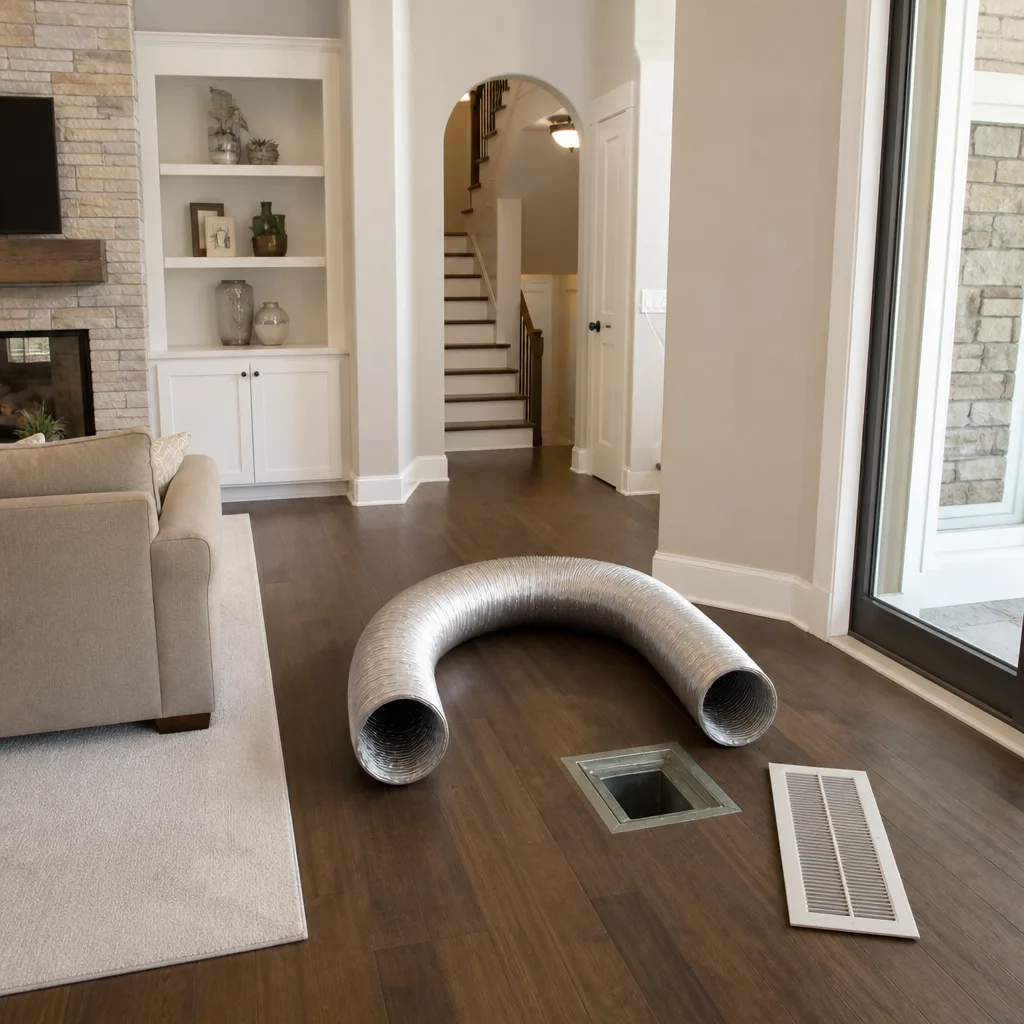 Whole-home duct cleaning
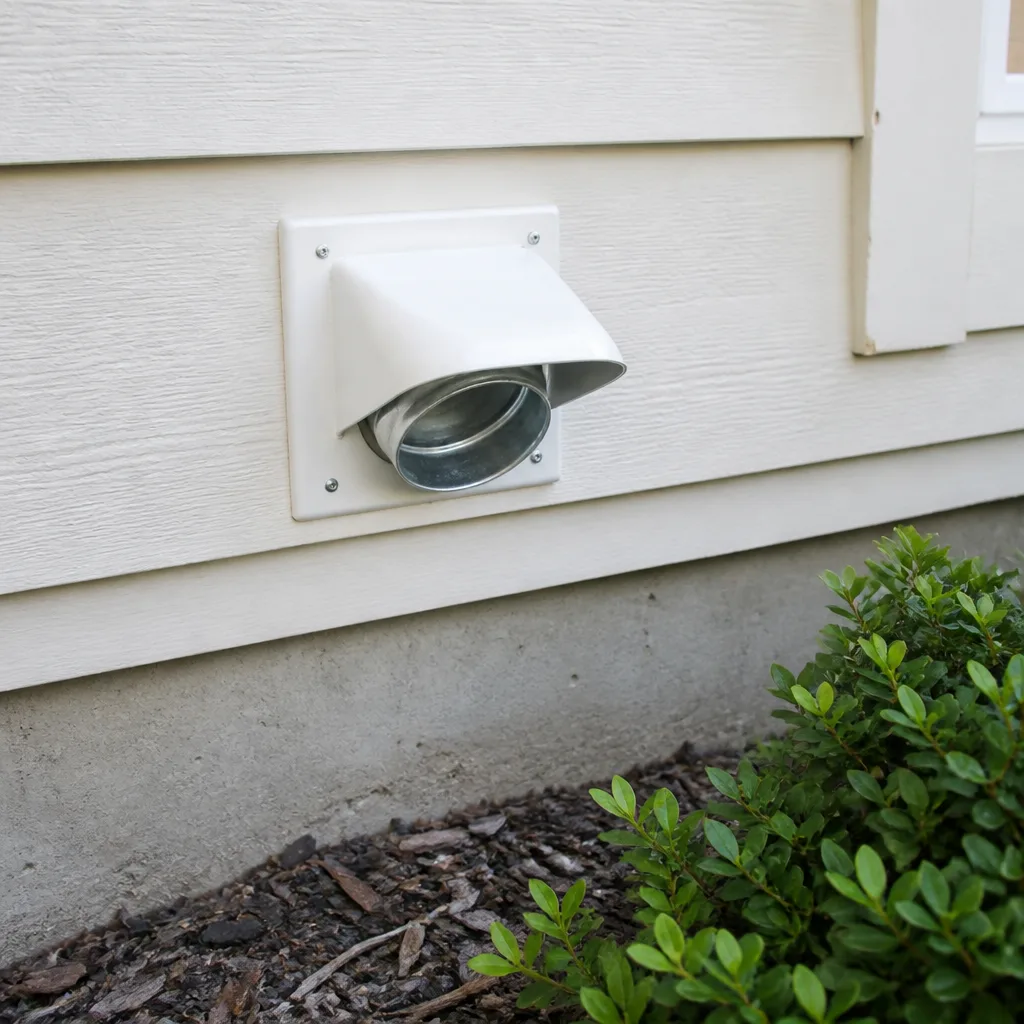 Dryer vent cleaning
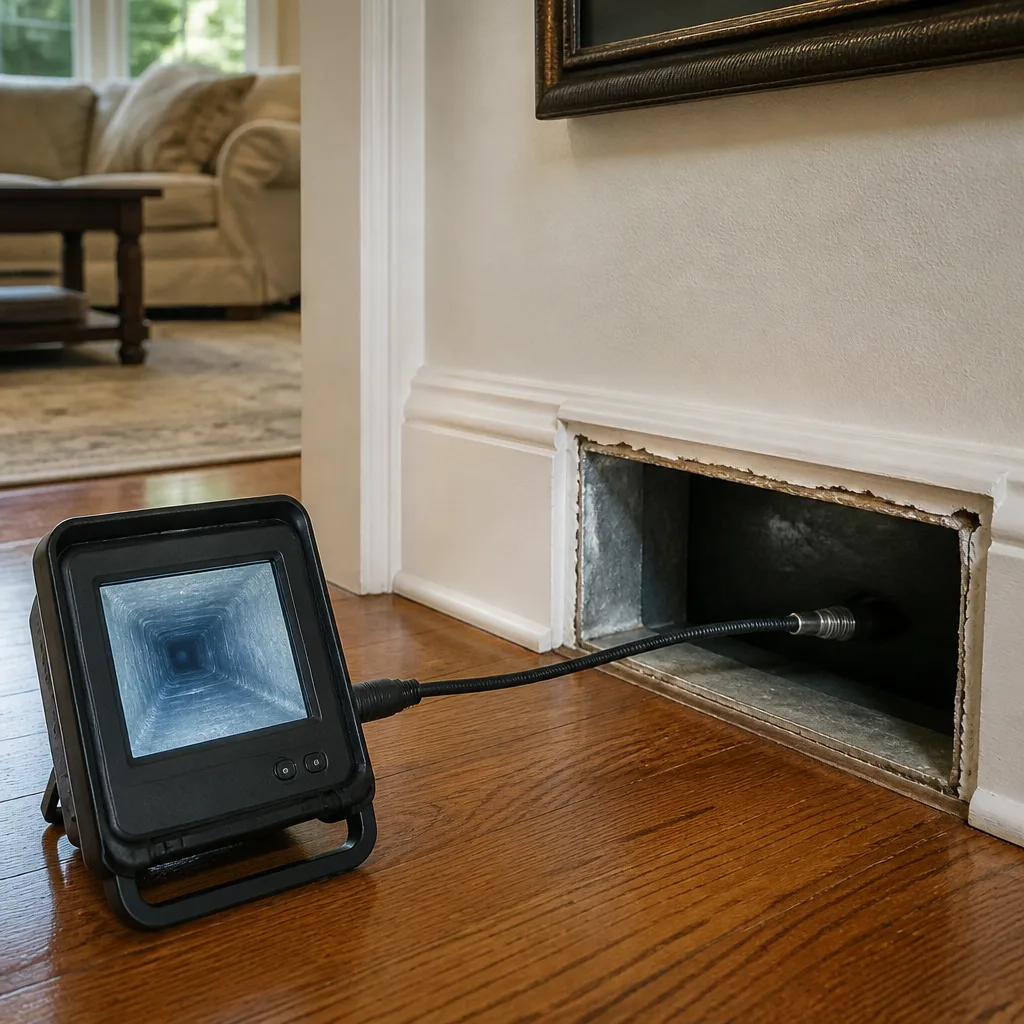 Camera inspection
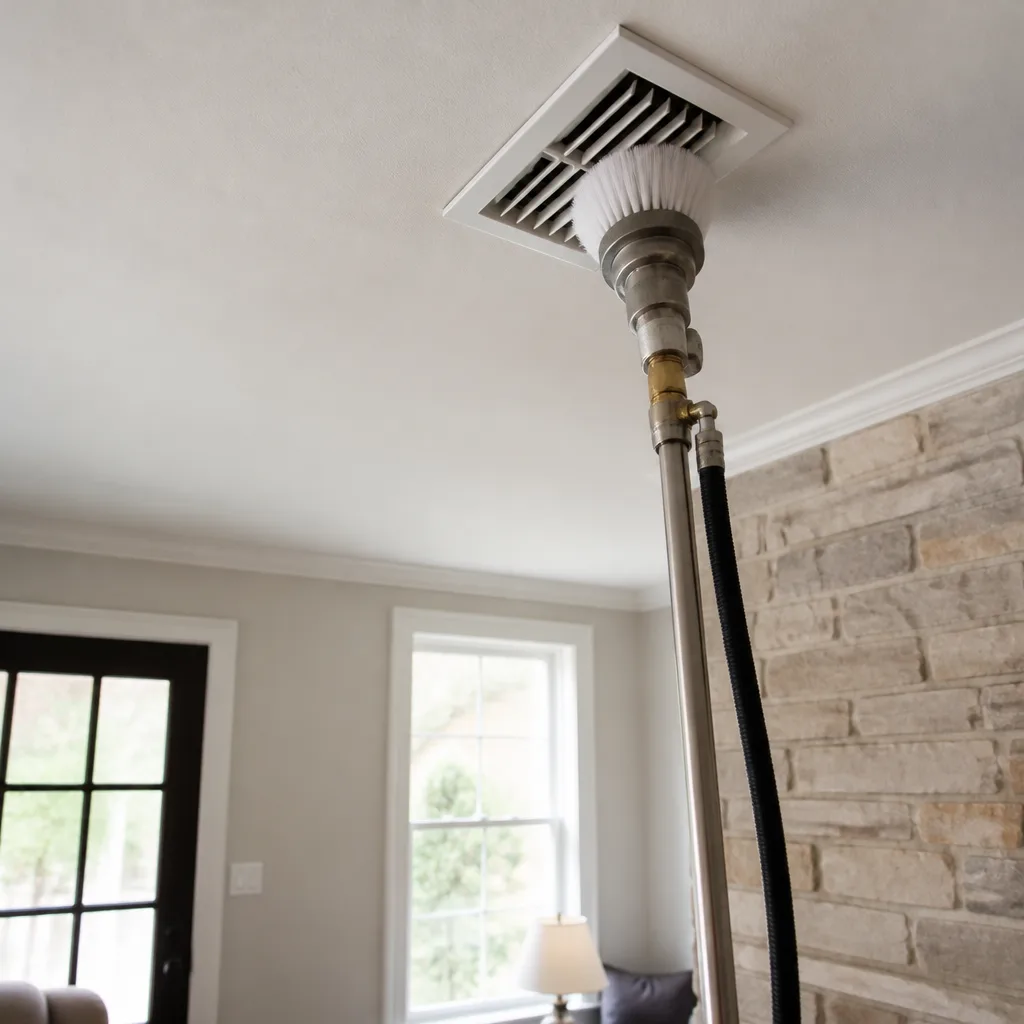 Sanitizing & deodorizing
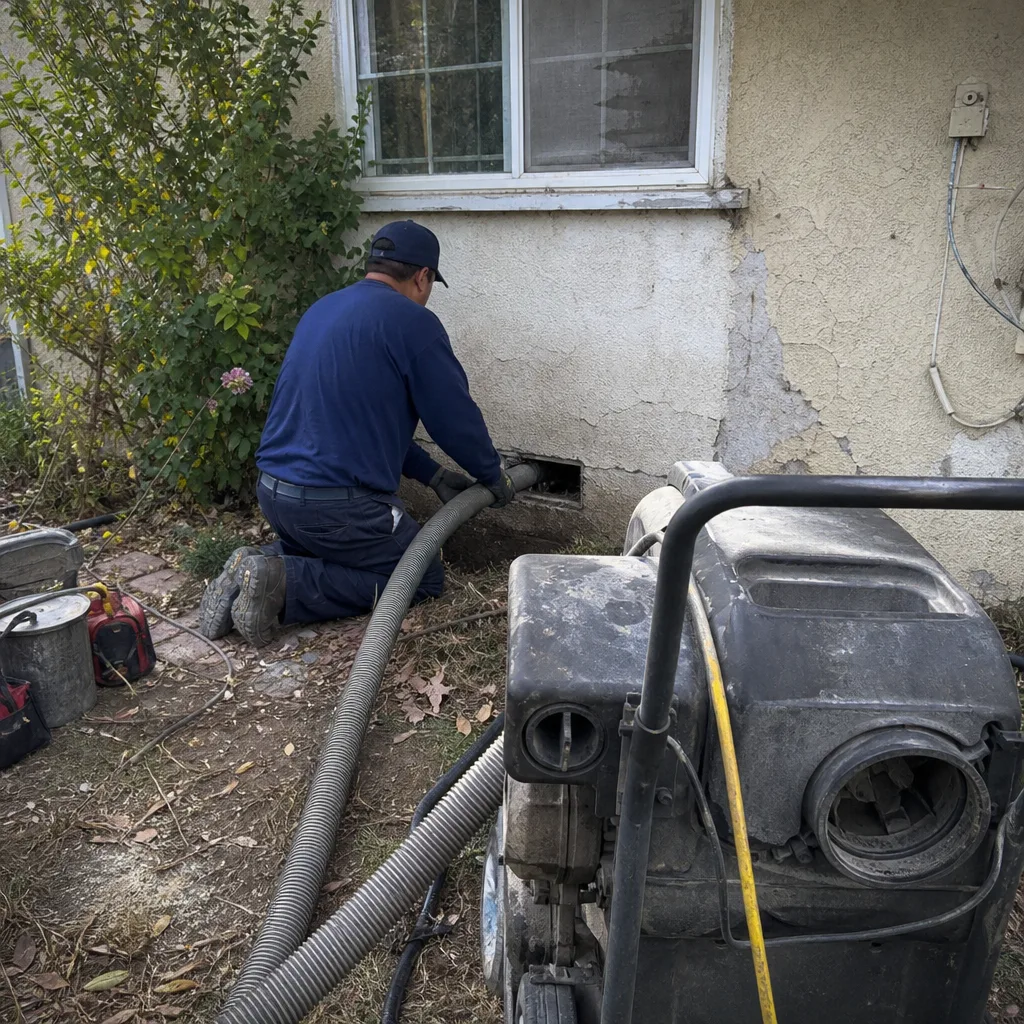
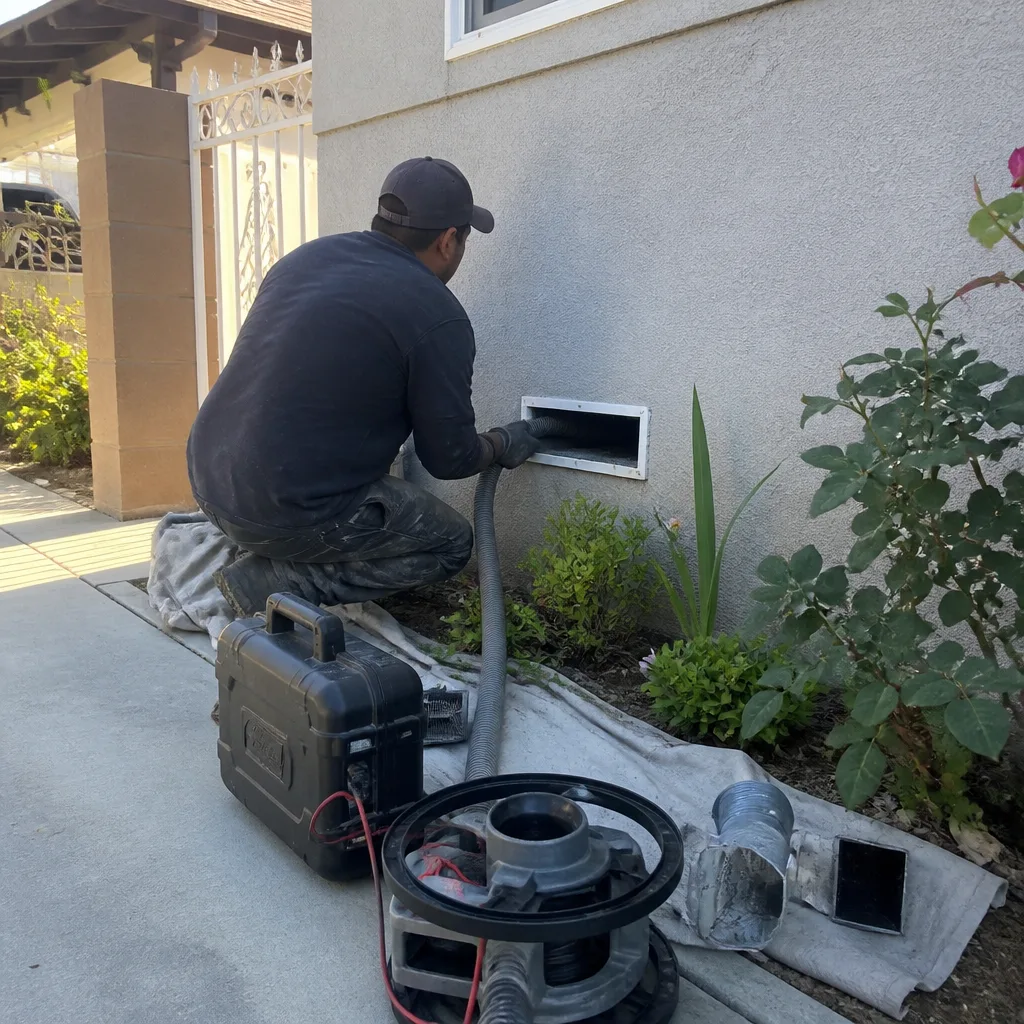
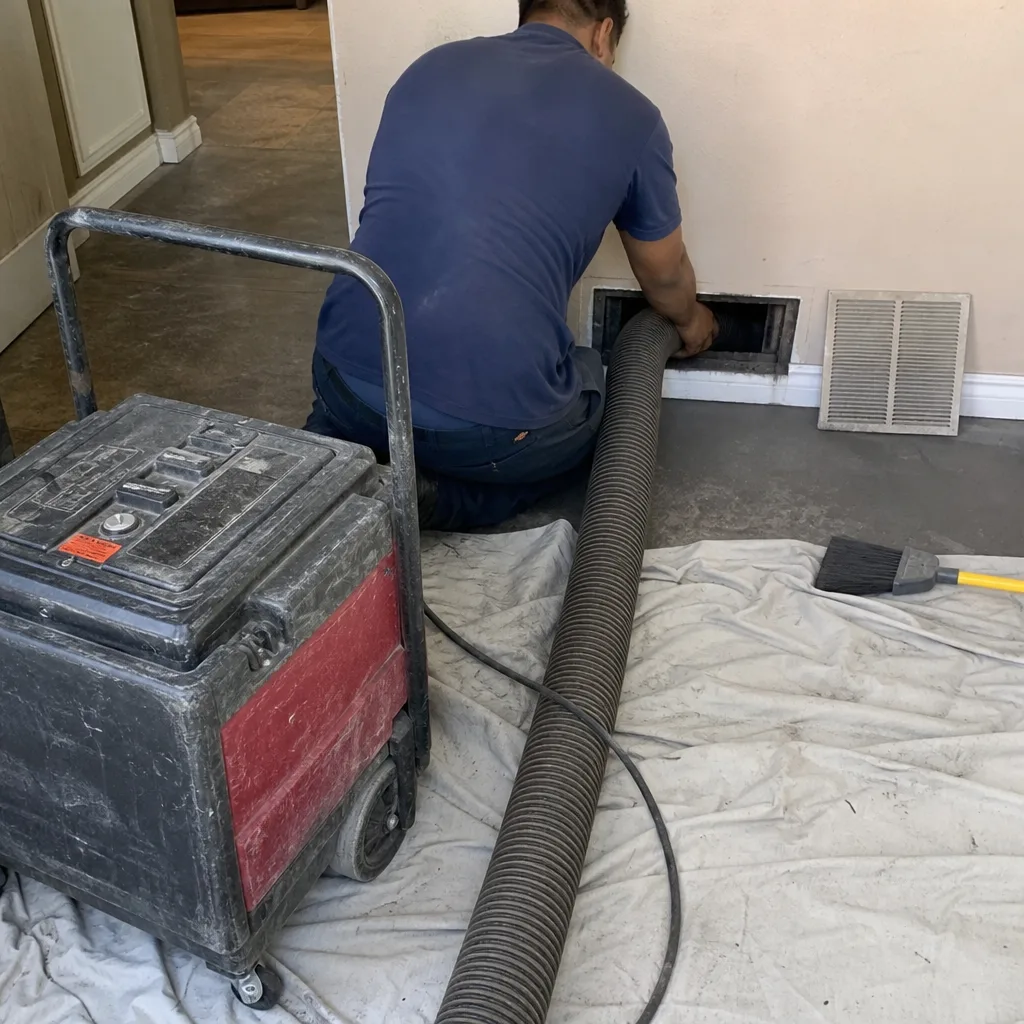
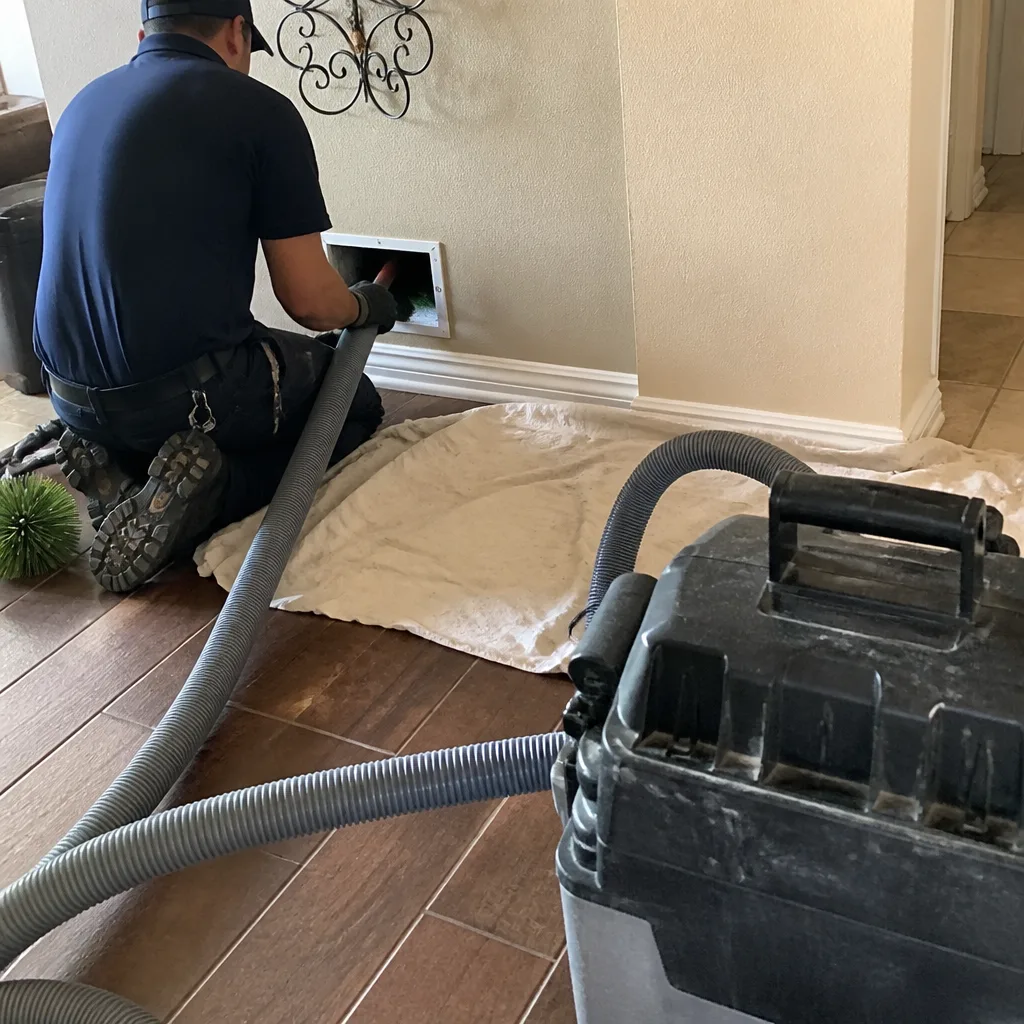
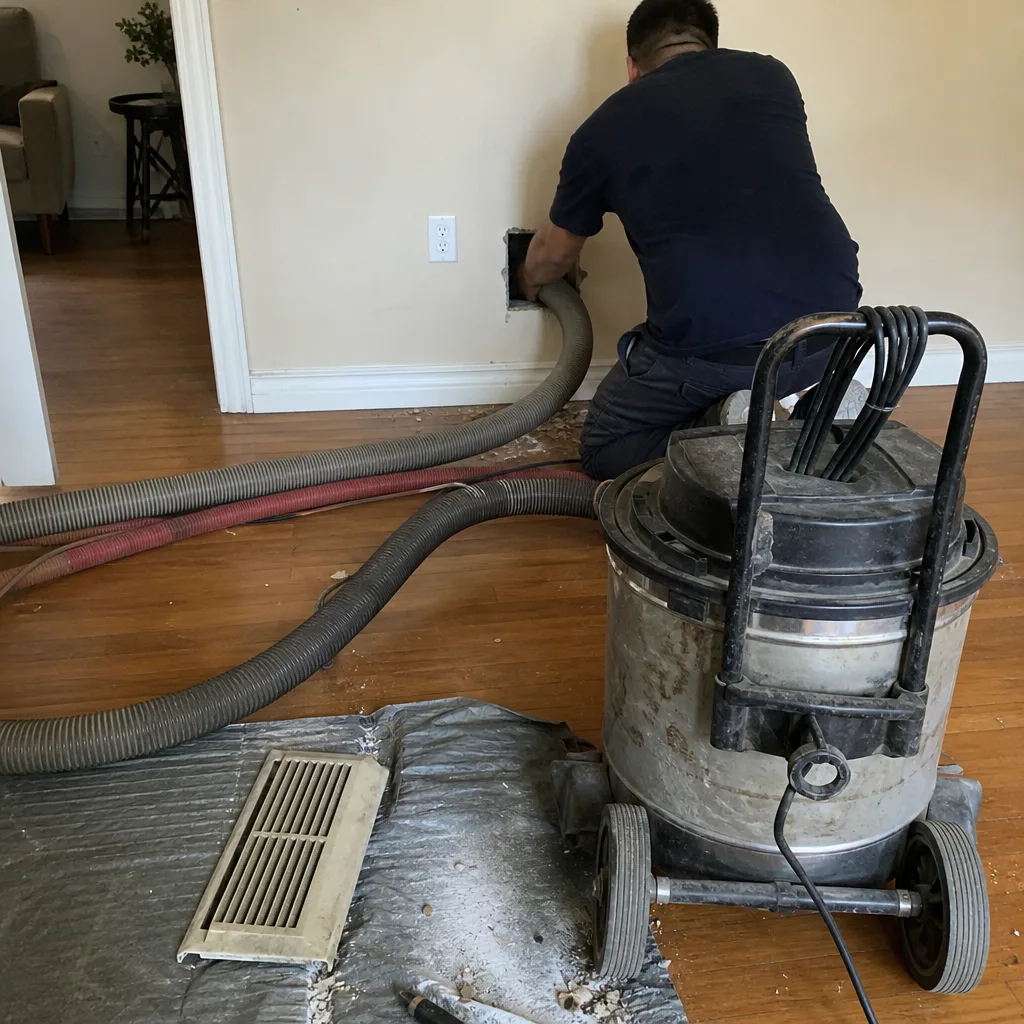
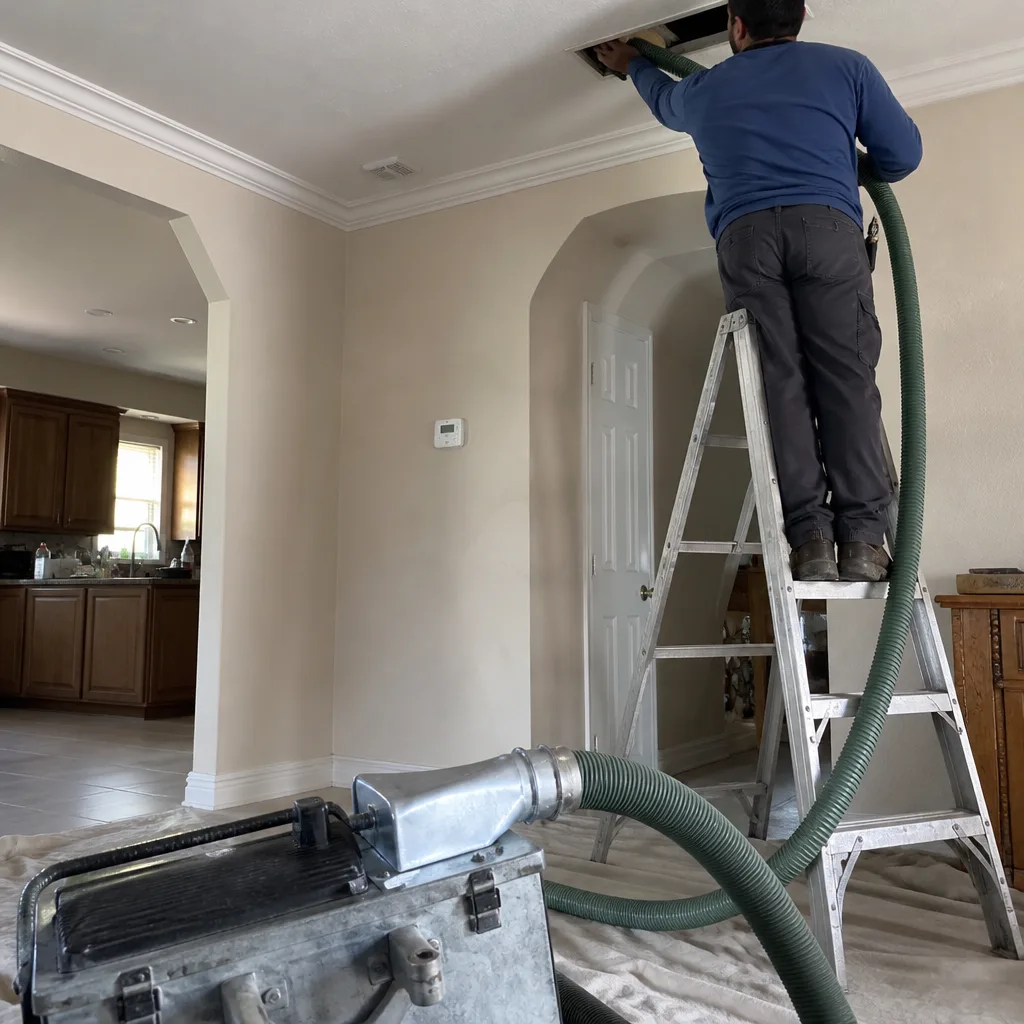
Whole-system duct and dryer vent check with before-and-after photos - you see exactly what came out of your vents
That "$99 whole-house special" is a bait ad - the real number appears once they are in your hallway, or the "clean" is a shop-vac at the register. We photograph the inside of your ducts before and after instead.
Air Duct Cleaning Warning Signs: A Reseda Homeowner’s Reference Guide
If you’re replacing a MERV-8 filter every three weeks instead of every three months, the filter isn’t failing. It’s succeeding. That rate of loading means the system is pulling in contamination faster than a clean duct system should, and the source is usually inside the return side of your ductwork. Most Reseda homeowners dismiss duct problems as ‘just dust’ or blame the filter, the unit, or the last tenant. Our complete air duct cleaning guide for Reseda homeowners gives you the specific, observable indicators that mean the ductwork itself is the problem. We’ll cover what actually matters, what doesn’t, and when a filter change won’t fix what’s happening inside your walls.
Quick Answer
The most reliable warning signs that your air ducts need professional attention are accelerated filter loading (a MERV-8 filter clogging in under 30 days), dark rings forming around ceiling supply registers, a musty odor that appears only when the HVAC fan first starts, and one room that’s consistently 5°F or more off from the rest of the house. Any one of these is worth investigating. Two or more means the ductwork itself is likely compromised, and a visual inspection by a professional air duct cleaning company in Reseda is the fastest way to confirm it.
Styles & brands we work with
- Whole-home duct cleaning
- Dryer vent cleaning
- Camera inspection
- Sanitizing & deodorizing
Table of Contents
- Accelerated Filter Loading: The Warning Sign Hiding in Plain Sight
- Register Debris Patterns: Reading the Rings and Clumps
- Musty Odor on Startup: What It Means and What It Doesn’t
- Uneven Room Temperatures: The Duct Integrity Test
- Post-Renovation Warning Signs: Drywall Dust and Insulation Fiber
- Weak Airflow and Rising Energy Bills: The Connected Symptoms
- Rodent and Pest Indicators: When the Problem Has Legs
- Common Mistakes to Avoid
- When to Call a Professional
- Frequently Asked Questions
Accelerated Filter Loading: The Warning Sign Hiding in Plain Sight
A standard 1-inch MERV-8 filter in a Reseda home with a properly sealed duct system should last roughly 60 to 90 days before showing significant dust buildup. That’s the baseline. When a filter loads to the point of visible gray or brown matting in three weeks or less, the system is ingesting contamination at a rate that clean, sealed ductwork cannot explain. The filter is doing exactly what it was designed to do. The question is what it’s trapping, and where that material is coming from.
The two most common sources we find in Reseda homes are a return-side duct breach and a return plenum pulling from an unconditioned space. A return-side breach is any gap, crack, or disconnected joint in the ductwork that carries air back to the furnace or air handler. Because the return side operates under negative pressure, it actively sucks in whatever surrounds the breach. In a Reseda attic, that means decades of blown-in insulation, rodent droppings, and fine dust from the San Fernando Valley’s dry season. The filter becomes the first line of defense, and it loads fast because it’s catching attic debris instead of the normal household dust it’s designed for.
Here’s the practical benchmark for Reseda homeowners:
- Filter lasting 60 to 90 days: Normal operation for a sealed system in a typical 3-4 bedroom home.
- Filter lasting 30 to 45 days: Elevated loading. Worth checking for visible dust around return grilles or a gap in the return plenum.
- Filter lasting under 30 days: Accelerated loading. This is the threshold where a duct breach or extreme interior contamination should be presumed until proven otherwise.
- Filter darkening to black or oily in under 3 weeks: Investigate immediately. This can indicate soot, candle residue, or a return pulling from a garage or crawlspace.
The fix is not buying a thicker filter. A higher-MERV filter will load faster and restrict airflow further, which stresses the blower motor and raises your electric bill. The fix is finding and sealing the breach, then cleaning the contamination already pulled into the system. Our Air Duct Cleaning Reseda home service page covers what a full-system inspection looks for.
Register Debris Patterns: Reading the Rings and Clumps
Supply registers tell a story if you know how to read them. The most common warning sign we see in Reseda homes is a dark ring forming on the ceiling around the perimeter of a supply vent. This ring is not normal household settling. It’s particle bypass.
Here’s what happens. Conditioned air leaves the blower, travels through the supply duct, and exits through the register into the room. The air disperses in a pattern that creates a slight negative pressure zone at the edges of the register face. Fine particles in the air stream get pulled toward that edge and deposited on the ceiling surface. In a clean system, the air stream contains minimal particulate, and the ring develops so slowly it’s often cleaned off once a year without much thought. In a contaminated system, the air stream carries enough material to build visible staining in a matter of weeks.
The dark ring itself is only part of the signal. Pay attention to what’s happening inside the register face:
- Clumping on the vent louvers: If you remove the register and find dust clinging in lumps or fibrous mats rather than a fine film, that’s settled material from the branch duct directly behind the vent. It means debris is accumulating in the duct run itself, not just passing through.
- Debris ejection pattern: Look at the ceiling or wall around the register. A fan-shaped or streaked pattern of dust radiating outward from one side of the vent indicates the register is not seated properly or the duct connection has shifted, allowing air to escape along the boot and carry dust with it.
- Soot-like staining on white ceilings: In Reseda’s winter months, when homes are closed up and candles or gas fireplaces run more often, combustion particles enter the return side and get distributed through the supply ducts. Sticky, dark staining around registers in one or two rooms points to an interior source feeding the return, not just dirty ducts.
Ceiling ring staining is especially visible in Reseda’s older housing stock, where white stucco ceilings and ceiling-mounted registers are common in the homes built from the 1950s through the 1970s. If one register develops a ring faster than others, the branch duct feeding it is likely carrying a concentrated contaminant load. That’s the duct to inspect first.
Musty Odor on Startup: What It Means and What It Doesn’t
If you notice a musty, damp, or sour smell in the first 30 to 60 seconds after the HVAC fan starts, then it fades as the system runs, most homeowners assume the ducts are moldy. That assumption is usually wrong. The ducts are rarely the source of that smell. The evaporator coil and drain pan are.
Here’s the distinction. Supply ductwork in a properly functioning system stays dry. Conditioned air moving through supply ducts is already dehumidified by the cooling cycle, so it doesn’t support microbial growth on duct surfaces. The musty odor on startup comes from moisture that accumulates where the cooling happens: at the evaporator coil inside the air handler. When the system shuts off, residual moisture on the coil and in the drain pan sits warm inside the cabinet. If the pan is slow to drain or the coil is dirty, that moisture feeds the growth of bacteria and mold on the coil surface. When the fan starts again, it pushes air across that contaminated coil, and you smell it.
What this means for Reseda homeowners: a musty startup smell is a real warning sign about your HVAC system, but the appropriate response is usually coil cleaning and drain pan service, not air duct cleaning. However, there’s a specific set of conditions where the ducts actually are involved, and those are:
- Musty odor that persists throughout the run cycle, not just at startup
- Musty odor present even when the system has been off for hours and the fan is not running
- Visible moisture staining on the ceiling around supply registers
- Evidence of water intrusion in the attic around the duct runs themselves
- Insulated flex duct that feels damp or has compressed insulation from a past leak
Reseda’s climate creates a specific risk here. Summers routinely push past 95°F, and the attic above the ducts reaches 130°F or more. When the AC runs hard, condensation forms on the outside of supply ducts in the hot attic. If the duct insulation is thin, torn, or water-damaged, that condensation keeps the duct exterior damp for hours. Over a full season, that’s a breeding ground for microbial growth on and inside the duct insulation. A professional inspection can determine whether the source is the coil, the pan, or the ductwork itself, and that distinction controls the fix.
Uneven Room Temperatures: The Duct Integrity Test
A house naturally has some temperature variation. Solar load on south-facing windows, distance from the air handler, and room occupancy all create differences. But when one room in a Reseda home is consistently 5°F or more off from the rest of the house, in both heating and cooling seasons, the odds shift heavily toward a duct integrity problem rather than a balancing issue.
The most common cause we diagnose is a disconnected or crushed flex duct run. Flex duct is the flexible, insulated tubing used throughout most Reseda residential systems. It’s held in place at each end by plastic zip ties or metal clamps, and it runs through attics where it’s exposed to extreme heat. Over time, the zip ties degrade. The duct slips off the boot or the wye fitting. The air that was supposed to reach the far bedroom is now conditioning the attic, and the room at the end of that run is getting whatever residual pressure remains in the trunk line.
Crushed flex duct is almost as common. The ducts get stepped on during a repair visit, crushed by stored boxes, or pinched by a displaced truss. The airflow restriction doesn’t eliminate air entirely, but it throttles it enough that the room served by that run can’t keep pace with the thermostat setting.
For a homeowner, the test is simple:
- Set the thermostat to a comfortable temperature on a typical Reseda afternoon.
- Wait two hours for the system to stabilize.
- Walk the house with a digital thermometer and record the temperature in each room.
- Note any room more than 5°F from the average of the others.
- Check the airflow at the register in that room. Weak output combined with the temperature gap points to a duct run problem, not a thermostat problem.
This matters because duct leaks don’t just create a comfort problem. They create a pressure imbalance. When the return side is pulling harder than the leaky supply side can push, the house goes slightly negative. That negative pressure pulls unconditioned outside air into the home through every crack, gap, and penetration. Your AC works harder, your energy bill climbs, and you’re fighting the Valley’s dust intrusion from multiple directions at once. We’ve seen this exact scenario in homes across Reseda, and the fix starts with air duct repair in Reseda to seal and reconnect the compromised runs.
Post-Renovation Warning Signs: Drywall Dust and Insulation Fiber
Reseda’s real estate market moves fast, and a significant share of the homes here were built between 1950 and 1980. That means any given month sees a kitchen remodel, a bathroom gut, or a room addition within a few blocks of you. If you’ve done renovation work in your home in the last year, the warning signs take on a different meaning.
Drywall dust is the single most damaging common contaminant that enters residential duct systems. It’s not the same as household dust. Drywall dust is finely ground gypsum and paper fiber, and it has two properties that make it a real problem inside ducts. First, it’s abrasive. It accelerates wear on the blower motor bearings and the blower wheel fins. Second, it’s hygroscopic in a way that ordinary dust is not. That means it absorbs moisture from the air, and when it sits inside a duct system, it becomes a paste that adheres to duct surfaces and resists even professional removal if left too long.
The warning signs after a renovation are specific:
- White or light gray dust reappearing within 48 hours of wiping surfaces in rooms that are not under active construction
- A chalky film on the return grille that doesn’t blow off but smears when touched
- Filter loading in under 2 weeks in the month following the project
- Insulation fibers visible at supply registers – pink, yellow, or white fibers that are thicker than dust and don’t break down when pressed
- A grinding or ticking sound from the air handler that wasn’t present before the renovation
- Feel the airflow at each register with the system running. Compare rooms. A consistent weak output across multiple registers points to a system-level restriction, not a single bad run.
- Check the return side. Put a tissue or thin paper against the return grille while the system is running. It should hold firmly. If it barely clings, the return side may be restricted, or the filter may be bypassing air around its edges rather than through it.
- Compare utility bills year over year. LADWP billing in Reseda shows your kilowatt-hour usage by month. If August usage is trending up year over year without a change in thermostat habits or occupancy, system resistance is a likely contributor.
- Ask your technician for a static pressure reading. This is a simple diagnostic that measures resistance on both the return and supply sides of the system. Elevated static pressure with a clean filter and clean coil points directly to duct restriction.
- Distinct ammonia or urine odor at specific supply registers when the system runs. This is not the same as musty coil smell. It’s sharper and more persistent.
- Scratching or scurrying sounds from the ceiling that stop when the HVAC system shuts off and start when it runs, indicating movement along the duct runs themselves
- Chew marks on flex duct insulation visible from the attic access point
- Droppings in the attic near the plenum or duct trunks, especially if they’re concentrated where the attic meets the living space below
- A sudden surge in filter loading with dark particulate that doesn’t look like normal gray house dust
- Changing the filter and ignoring the loading rate. A filter that clogs in three weeks is a diagnostic signal. Replacing it and moving on means you’re treating the symptom and ignoring the source, which is almost always a return-side problem.
- Attributing musty startup odor to the ducts without checking the coil and drain pan first. The evaporator coil is the most common source. Clean the coil and pan, then reassess. If the odor persists after that, the ducts become the focus.
- Using a higher-MERV filter to solve dust problems. A stronger filter loads faster, restricts airflow, and increases static pressure. The fix for excessive dust in a Reseda home is sealing the source, not choking the system.
- Balancing registers by closing off rooms. Closing supply registers does not improve airflow to other rooms. It increases static pressure, worsens duct leakage, and can freeze the coil in severe cases. Balance problems are duct integrity problems.
- Ignoring post-renovation dust because “the contractor said they protected the ducts.” The standard of protection varies widely in residential work. If you’re seeing white or gray dust reappearing within days of wiping, the ducts need professional attention.
- Treating a dark ceiling ring as a cosmetic issue. The staining is evidence of what’s moving through your duct run. Painting over it without cleaning the duct means the next coat of paint will stain faster.
- Skipping dryer vent maintenance while investigating duct dust. The dryer vent is a separate system from the HVAC ducts, but a clogged dryer vent pushes lint and moisture into the laundry area, and that air gets pulled into the HVAC return. Dryer vent cleaning in Reseda is a standalone service for a reason, and it’s a leading cause of residential fires.
Renovation contractors in Reseda work under time pressure, and proper duct protection during demolition and drywall work is time-consuming. The standard of care varies widely. Poly sheeting and negative air setups are the exception, not the rule, in residential remodeling. That means the HVAC system is often running during or immediately after sanding, and the return ducts pull the dust directly into the system. If you’ve had any interior work done, even a small bathroom, and you’re seeing any of the signs above, the ducts should be inspected before the next cooling season. The material has already been pulled in. The question is how deep it’s settled.
Weak Airflow and Rising Energy Bills: The Connected Symptoms
Weak airflow at a supply register gets blamed on the blower, the filter, or the thermostat settings. Each of those is possible. But in many Reseda homes, the airflow restriction is occurring inside the ductwork itself, and the energy bill is the tell.
Ductwork that hasn’t been professionally cleaned in a decade or more accumulates a lining of fine particulate on the interior surfaces. The buildup is not dramatic. It’s a gradual narrowing of the effective diameter of every duct run in the house. A 6-inch round duct that’s carrying ten years of accumulated film is effectively a 5.25-inch duct. That reduction might not sound like much, but airflow through a round duct scales with the radius to roughly the fourth power. A 15% reduction in effective diameter translates to a 40% or more reduction in airflow capacity at the same static pressure. The blower works harder to push the same volume, amperage draw increases, and the energy bill climbs while the comfort level drops.
Here’s the sequence to check in a Reseda home:
Duct cleaning is not a magic efficiency fix in every case. But when the restriction is particulate buildup inside the duct runs, professional removal of that material restores the designed airflow with no other changes. That’s the distinction between cleaning as a maintenance item and cleaning as a mechanical repair. In our work throughout Reseda, we regularly see systems where the blower wheel and coil are clean, the filter is new, and the static pressure is still high. The ducts are the variable nobody has inspected.
Rodent and Pest Indicators: When the Problem Has Legs
Reseda attics are attractive to rodents year-round. The older housing stock has generous attic access points, and the dry climate means a roof rat or mouse can survive comfortably with minimal water. When rodents take up residence in an attic, the duct system becomes part of their environment. They run across it, nest beside it, and in a significant number of cases, chew into it.
The warning signs are specific and worth separating from ordinary duct contamination:
The environmental contamination matters, but the structural damage matters more. A rodent that chews through flex duct creates a direct path from the attic into the conditioned airstream. Everything in that attic, from insulation fibers to droppings to dead pests, gets pulled into the return side and blown through the house. If you find evidence of rodent activity in your Reseda attic, the duct inspection should happen before the pest control exclusion, not after. You want to know whether the ducts themselves have been breached so the cleaning and repair scope includes the ductwork, not just the attic cleanup.
Common Mistakes to Avoid
When to Call a Professional
A visual register inspection and filter loading observation can tell you a lot. But there are specific scenarios where a professional inspection is the only responsible next step. If you’ve identified two or more of the warning signs in this guide, the problem is likely systemic, and it will not resolve with a filter change or a register wipe-down. If you’ve had renovation work in the last year and you’re seeing white dust or insulation fiber at the registers, the contamination is inside the ductwork and needs mechanical removal. If you have one room that’s consistently 5°F or more off from the rest of the house, you have a duct integrity issue that requires a diagnostic pass through the attic. For help choosing the right air duct cleaning brand, Air Duct Cleaning Reseda offers free estimates in Reseda – call (855) 353-1653 to schedule a visual inspection and get a flat-price quote before any work begins.
Frequently Asked Questions
Professional air duct cleaning in Reseda typically runs $400 to $800 for a complete system on a standard 3-4 bedroom home, though larger homes or heavily contaminated systems with accessible attic ductwork can run higher. The industry’s reputation for bait-and-switch pricing comes from companies that quote a low per-vent price and then inflate the scope once they’re on site. Air Duct Cleaning Reseda quotes one flat price per system before work begins, with no per-vent pricing games. Call (855) 353-1653 for an exact quote – estimates are free.
Cheaper quotes almost always mean a narrower scope of work, consumer-grade equipment, or both. A blow-and-go service uses a portable vacuum and brushes that can dislodge some surface dust but cannot extract settled material from deep inside the duct runs. A professional crew using Rotobrush rotary brush systems and Nikro HEPA-filtered vacuums removes compacted debris from the full length of the duct, not just what’s visible at the register. The price difference reflects equipment capability and time on the job, not markup.
Ask for before-and-after photos of your own duct interior. A professional company using a duct inspection camera can show you the condition of the trunk line and branch ducts before work begins and after completion. If a company cannot or will not provide interior photos, treat that as a red flag regardless of price. Before-and-after documentation of your own system is the single best protection against paying for work that wasn’t performed.
For most Reseda homes, professional air duct cleaning is appropriate every 3 to 5 years. Homes with pets, residents with allergies or respiratory conditions, or a history of renovation work may need service more frequently. Homes that consistently show accelerated filter loading or register staining should be inspected rather than waiting on a calendar schedule. The right interval is determined by what’s accumulating in your specific system, not a generic guideline.
Yes, though the mechanism is about ongoing particulate exposure rather than a single dramatic event. A contaminated duct system acts as a reservoir that re-releases fine particles into living spaces every time the system runs. In Reseda’s dry climate, where dust and pollen levels are already high, that continuous recirculation adds to the total allergen load in the home. Cleaning the ducts and sealing the return side reduces that ongoing source, and for homes that need it, upgrading to a Honeywell or Aprilaire filtration system after cleaning provides ongoing reduction in airborne particulate.
Air duct cleaning removes accumulated contamination from the interior of the duct system. Air duct repair addresses structural problems: disconnected flex duct runs, crushed sections, gaps at joints, and breaches in the return side. The two services work together. Cleaning a duct system that has a gaping return-side breach means the contamination will return quickly. Repairing a duct system without cleaning it means the material already pulled in stays in place. Air Duct Cleaning Reseda performs both services, which is why we can address the full sequence without referring you to a different company.
The Bottom Line
Your duct system is either clean and sealed, or it’s working against you. The warning signs that matter in Reseda are measurable: a filter loading in under 30 days, dark rings around ceiling registers, one room that won’t hold temperature, and white or gray dust that returns within days of cleanup. None of these resolve with a filter change or a register wipe. They point to the ductwork itself, and the fix is a combination of professional cleaning and targeted repair. If you’re seeing two or more signs, get an inspection before the next cooling season starts. The problem won’t fix itself, and the evidence says it’s already inside your walls.
Written by the team at Air Duct Cleaning Reseda, serving Reseda since 2011. See our more guides & resources for additional HVAC maintenance tips.
See the difference
 Before
 After
 Before
 After
 Before
 After