
Last updated November 2, 2026
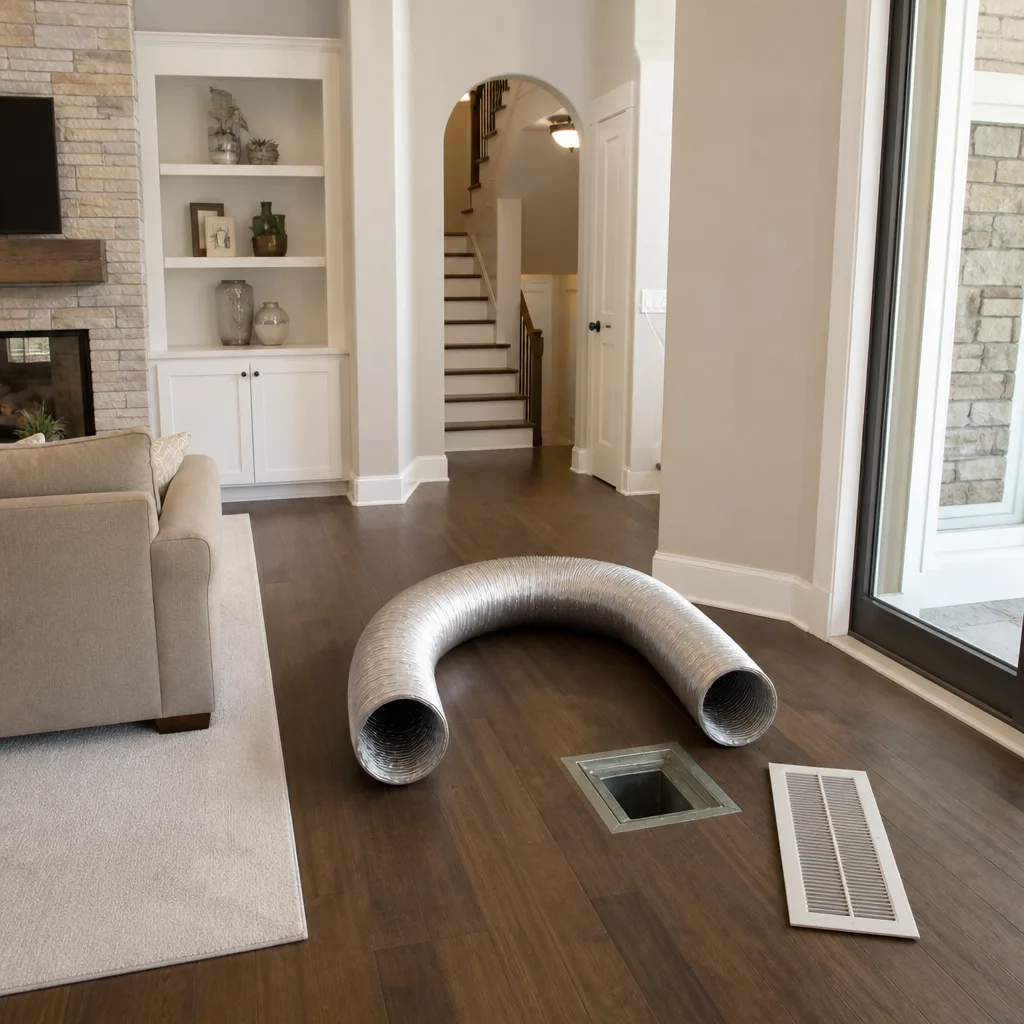 Whole-home duct cleaning
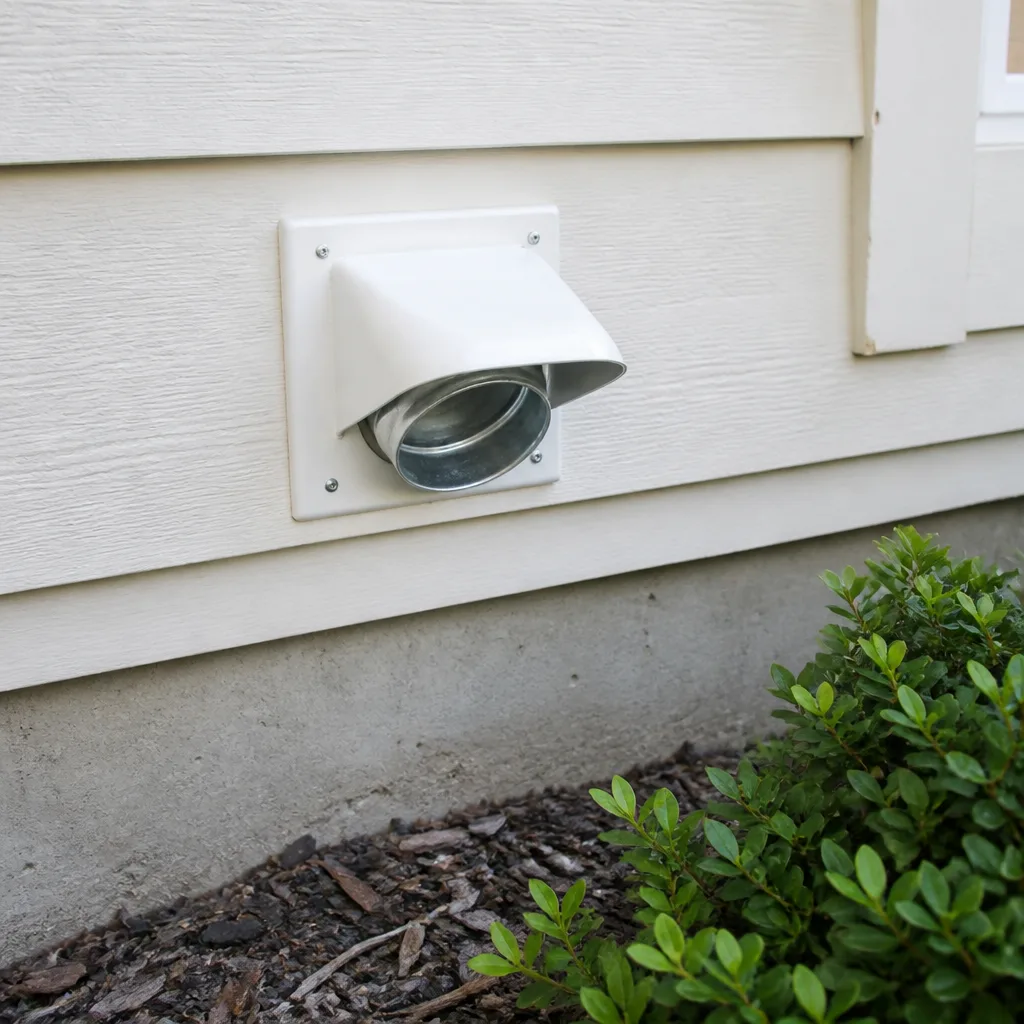 Dryer vent cleaning
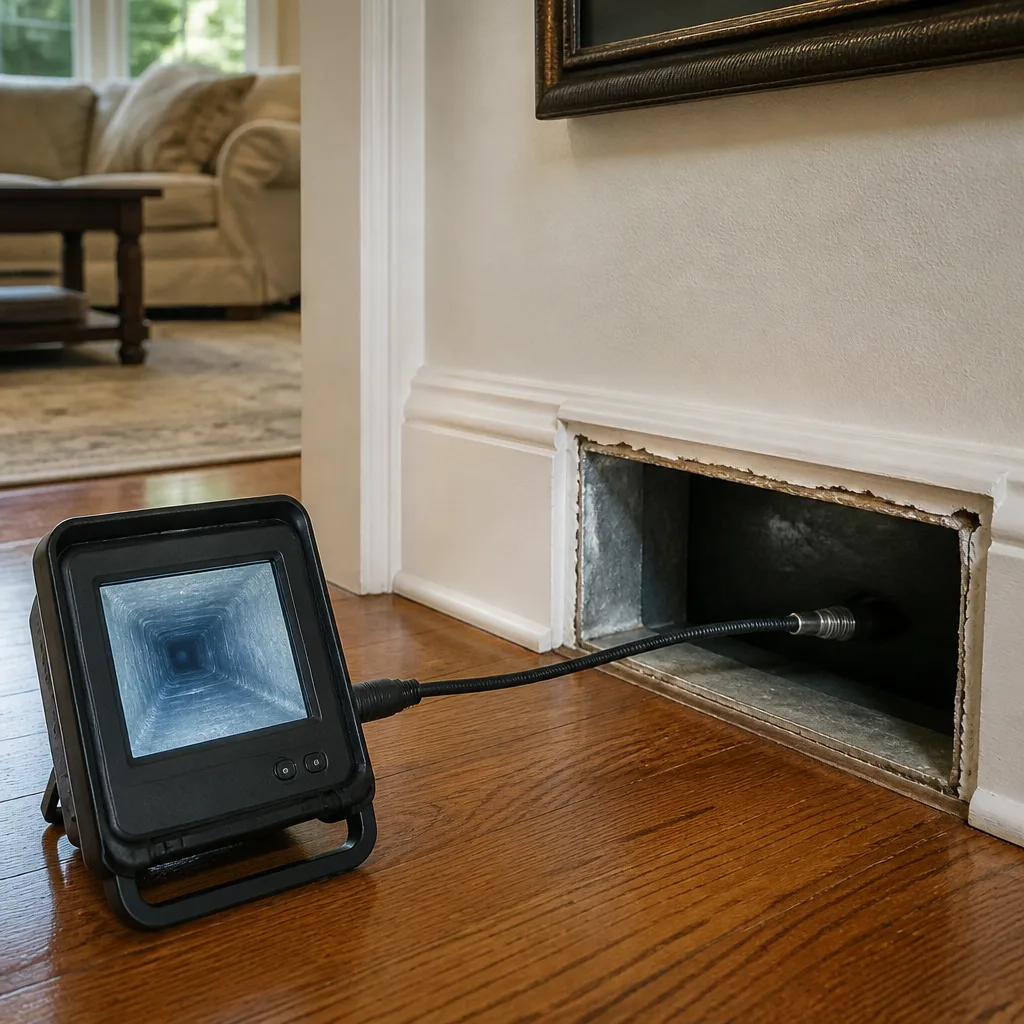 Camera inspection
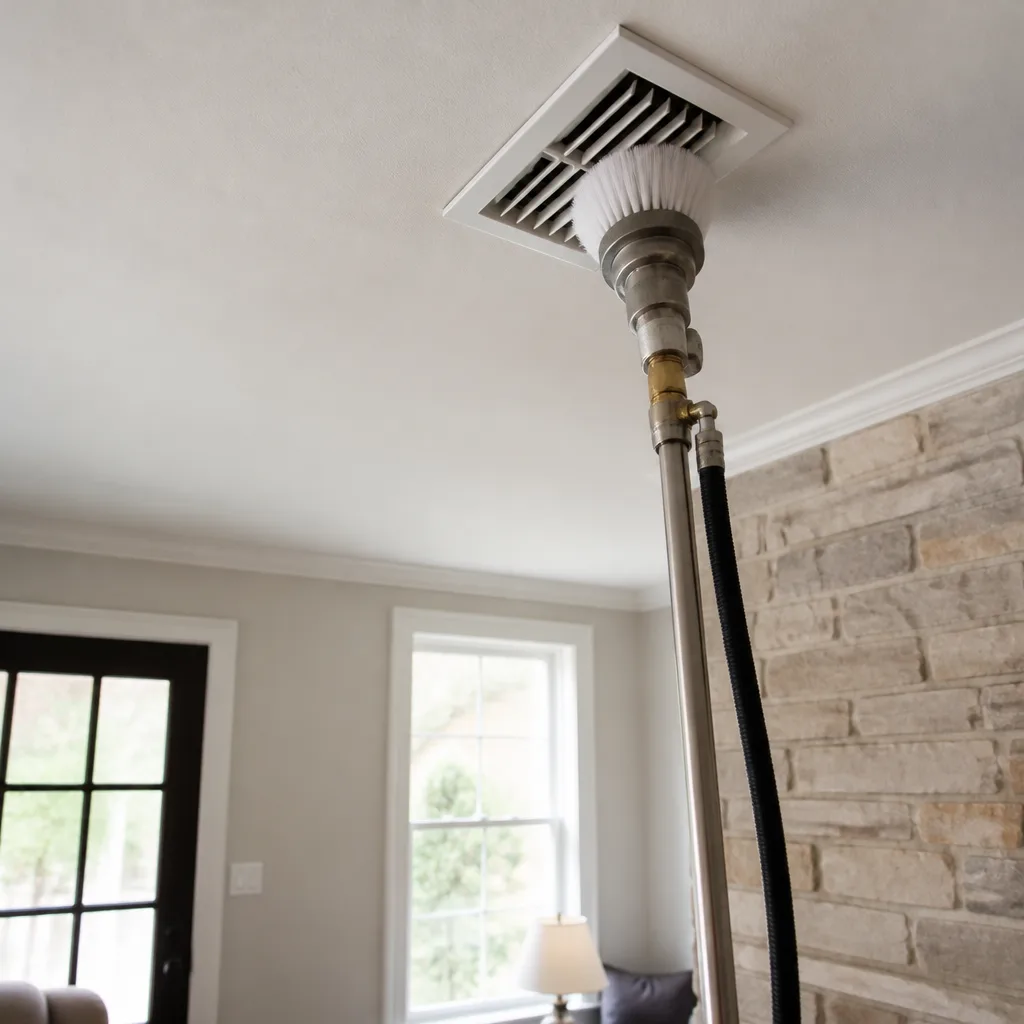 Sanitizing & deodorizing
Whole-system duct and dryer vent check with before-and-after photos - you see exactly what came out of your vents
That "$99 whole-house special" is a bait ad - the real number appears once they are in your hallway, or the "clean" is a shop-vac at the register. We photograph the inside of your ducts before and after instead.
The Complete Air Duct Cleaning Guide for Reseda Homeowners
Reseda’s average HVAC system runs roughly 2,700 hours a year. That’s nearly double the national average of 1,400 to 1,600 hours. A system pushing that much air through ductwork built in a 1960s slab home accumulates particulate at rates the standard “clean every 3 to 5 years” rule was never designed to handle. This guide explains what that means for your home specifically, what a legitimate duct cleaning actually involves, and how to avoid paying for a service that does nothing but move dust around. You’ll learn how the San Fernando Valley’s wildfire seasons, construction-era housing stock, and month-after-month cooling demands change the calculus for when and how your ducts need attention in Reseda.
Quick Answer
Air duct cleaning in Reseda should be scheduled every 2 to 3 years for most homes, rather than the 3 to 5 year interval common in cooler climates, because Valley HVAC systems run nearly twice the national average hours annually. A legitimate cleaning uses negative-pressure containment plus rotary brush agitation, costs roughly $450 to $900 for a typical single-family home, and should include before-and-after documentation. The goal is removing accumulated particulate that your filters cannot catch and that recirculates through your living spaces every time the blower cycles on.
Styles & brands we work with
- Whole-home duct cleaning
- Dryer vent cleaning
- Camera inspection
- Sanitizing & deodorizing
Table of Contents
- Why Reseda’s Climate Changes the Duct Cleaning Timeline
- Wildfire Smoke and Your Ductwork: A Post-Event Protocol
- What a Legitimate Duct Cleaning Actually Looks Like
- Why Reseda’s Older Housing Stock Needs Different Equipment Access
- Visual Reports vs. Airflow Measurement: How to Verify the Work
- What Air Duct Cleaning Actually Costs in Reseda
- Common Mistakes to Avoid
- When to Call a Professional
- Frequently Asked Questions
Why Reseda’s Climate Changes the Duct Cleaning Timeline
The national guidance on duct cleaning intervals assumes a heating-dominant climate where systems sit idle for months at a time. That assumption falls apart in Reseda. Here, air conditioning starts as early as March and runs through October, with heat cycles layering on from November through February. The blower motor is active year-round, which means particulate transport through your ducts is continuous, not seasonal.
Dust in a duct system is not static. Every cycle pushes a fraction of that accumulated material back into your living space. The longer the runtime, the more material accumulates and the more of it gets redistributed. In our experience cleaning homes across the 91335 zip code, a system that has not been cleaned in five years in Reseda often holds two to three times the debris by volume that a comparable home in a cooler coastal climate accumulates in the same period.
Specific conditions in the San Fernando Valley make this worse. The surrounding hills shed fine mineral dust that enters homes through window seals, door frames, and fresh-air intakes. Construction along corridors like Sherman Way and Reseda Boulevard adds a constant load of fine concrete and asphalt particulate. If your home sits within a few blocks of a major route or an active build site, your ducts are pulling in that material every time the system cycles.
A practical rule for Reseda homeowners: if you cannot remember the last time the supply registers were removed and the trunk line inspected, you are overdue. The 3 to 5 year rule borrowed from other climates does not account for a system that runs 2,700 hours annually. A closer baseline for a single-family Reseda home with a single return is every 2 to 3 years, adjusted upward if you have central filtration that is changed on a strict schedule, and adjusted downward if you have pets, smokers, or remodel work underway.
For a deeper look at what local cleaning involves, start with our Air Duct Cleaning in Reseda overview page.
Wildfire Smoke and Your Ductwork: A Post-Event Protocol
Wildfire smoke events are no longer anomalies in this part of Los Angeles County. The Woolsey Fire in 2018 pushed smoke across the Valley for weeks. The Saddleridge Fire in 2019 blanketed Reseda in ash particles that settled into window tracks, attics, and yes, duct systems. The pattern repeats whenever fire activity picks up in the Santa Susana Mountains, the Santa Monica Mountains, or the Angeles National Forest. What most homeowners do not realize is that a single smoke event can deposit more particulate inside your ducts than a year of normal accumulation.
Smoke particles are small enough to pass through most residential air filters. They enter through the return, coat the interior surfaces of your ductwork, and remain there long after outdoor air clears. When the blower cycle restarts, that residue gets picked up and redistributed. The smell that lingers for months after a fire is often not coming from the air outside. It is coming from the interior surfaces of your supply ducts.
A post-event inspection protocol for Reseda homeowners should include three steps:
- Filter check. After any significant smoke event, inspect your air filter. If it shows visible gray or brown residue, smoke particulate has entered the system. Replace the filter immediately.
- Register inspection. Remove two or three supply registers and wipe a white cloth or paper towel along the interior duct surface you can reach. Visible gray soot means the particulate penetrated past the filter and coated the ducts.
- Professional inspection. If either check shows residue, schedule a duct inspection. A legitimate company will use an inspection camera to assess the full trunk line and branch runs, then recommend cleaning based on what they see, not on a scripted pitch.
The containment equipment used during cleaning matters here more than usual. Smoke residue is fine enough to become airborne during agitation. A company that uses properly sealed negative-pressure containment prevents that material from migrating into your living room. This is one reason we run Abatement Technologies containment units on every cleaning project. The standard for particulate control during a post-wildfire cleaning must be higher than during routine maintenance, because the material being removed is smaller and more mobile.
What a Legitimate Duct Cleaning Actually Looks Like
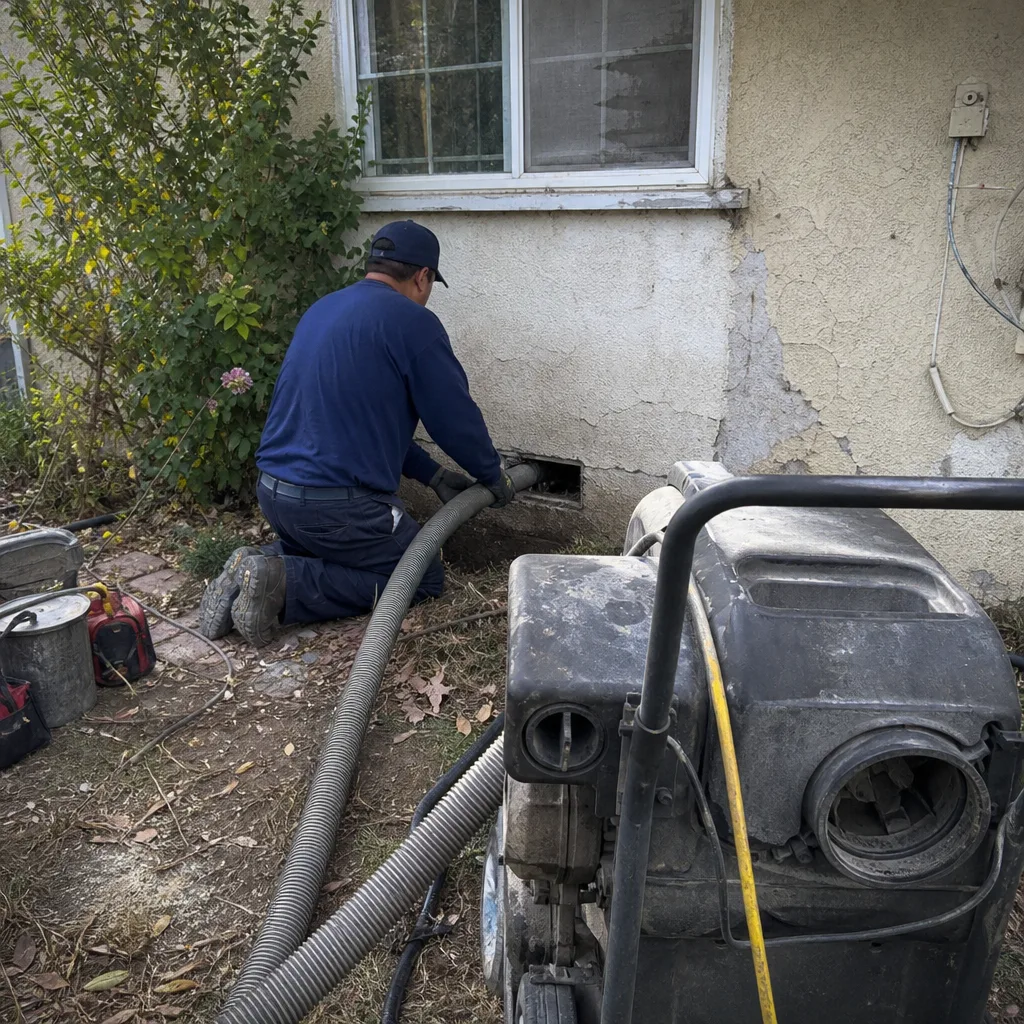
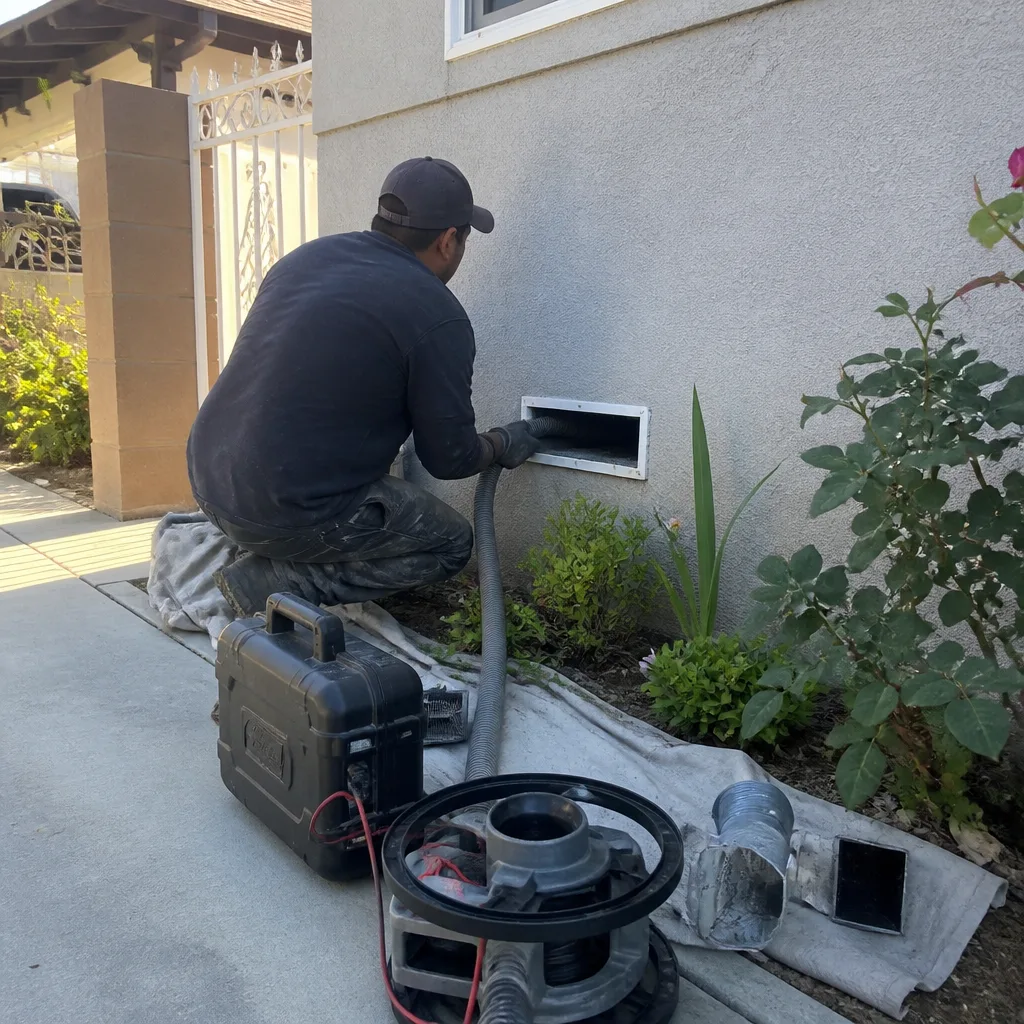
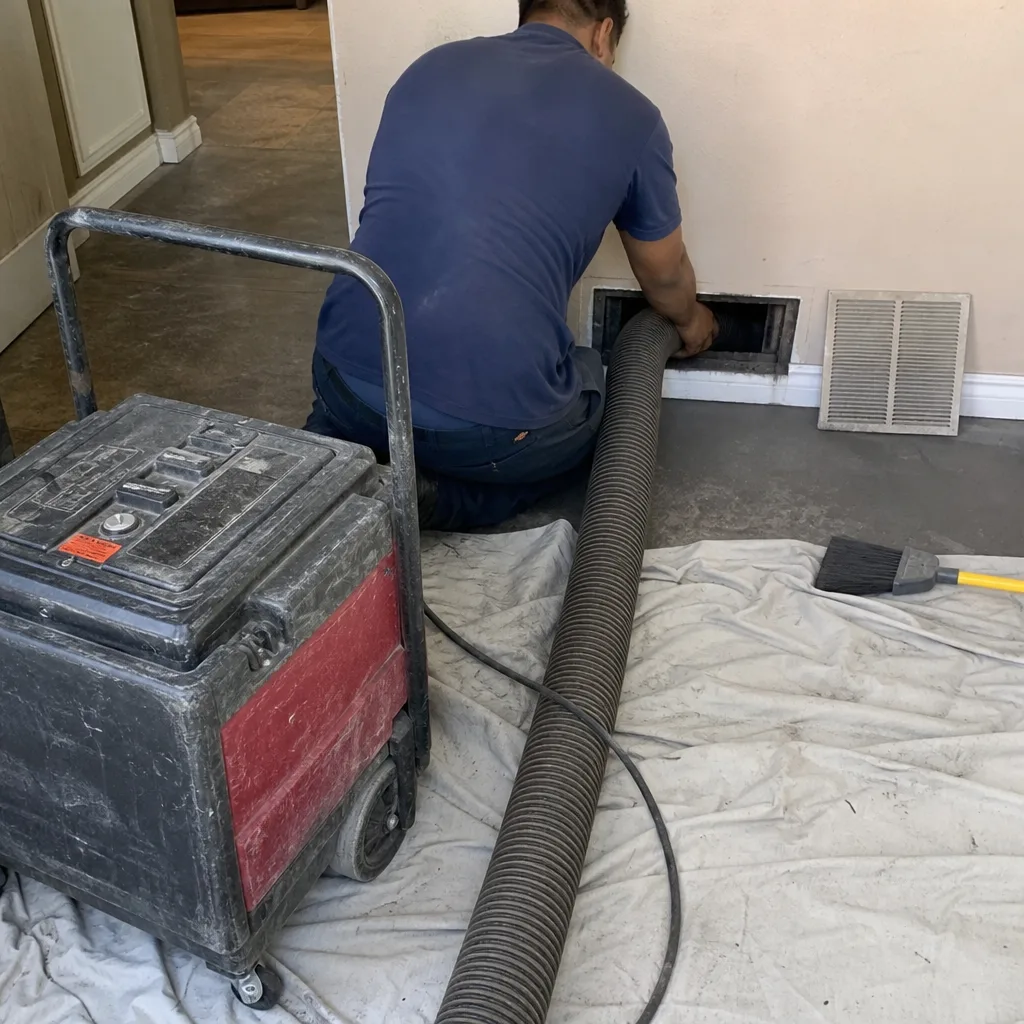
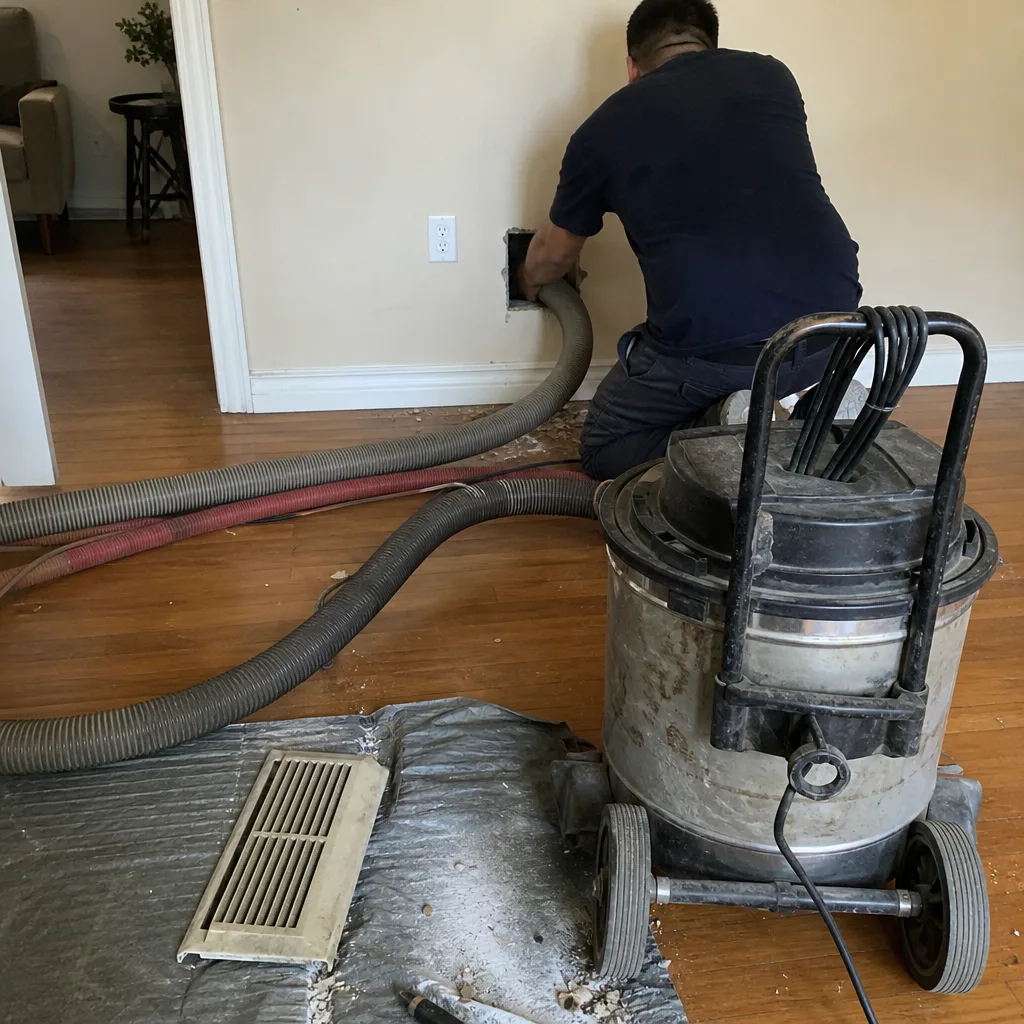
You should know what a real cleaning looks like so you can recognize a shortcut when you see one. Most consumer complaints about duct cleaning trace back to operators who show up with a portable vacuum and a drill attachment, spend forty minutes poking at registers, and leave with the ducts looking barely different than they arrived. That is not cleaning. That is agitation without extraction.
A legitimate process follows a specific sequence. Here is the step-by-step of what should happen in a properly equipped residential cleaning in Reseda:
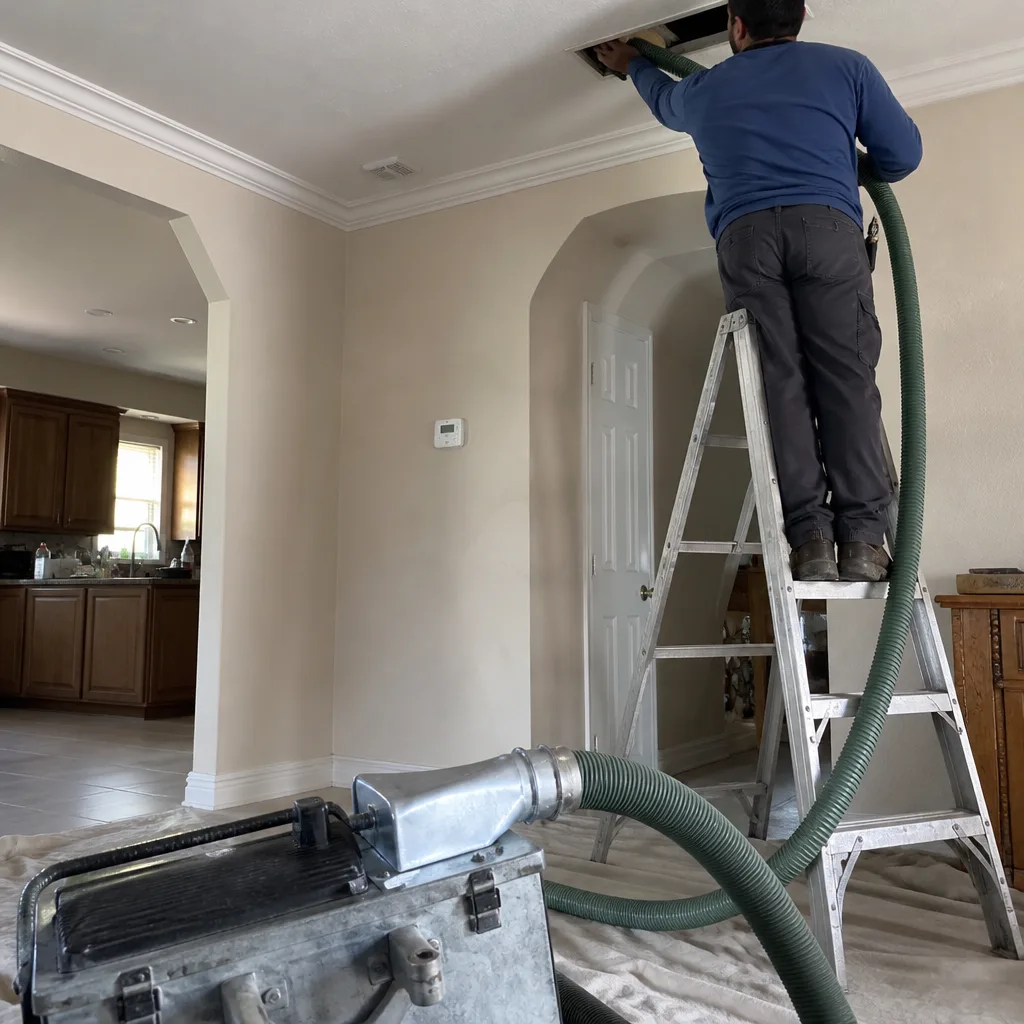
- System inspection. The technician removes registers, inspects the return, supply trunk, and visible branch runs with an inspection camera. Damaged sections, disconnected joints, or collapsed flex runs are noted separately from cleaning work.
- Containment setup. The system is placed under negative pressure. This means a high-static vacuum unit, typically a Nikro GP4000 or equivalent HEPA-filtered negative air machine, is connected to the duct system. The vacuum is sealed to the supply trunk near the air handler, drawing the entire duct system into negative pressure before any agitation begins.
- Register sealing. Supply and return openings in each room are sealed with temporary covers or plugs. This prevents particulate from escaping into living space during the agitation phase.
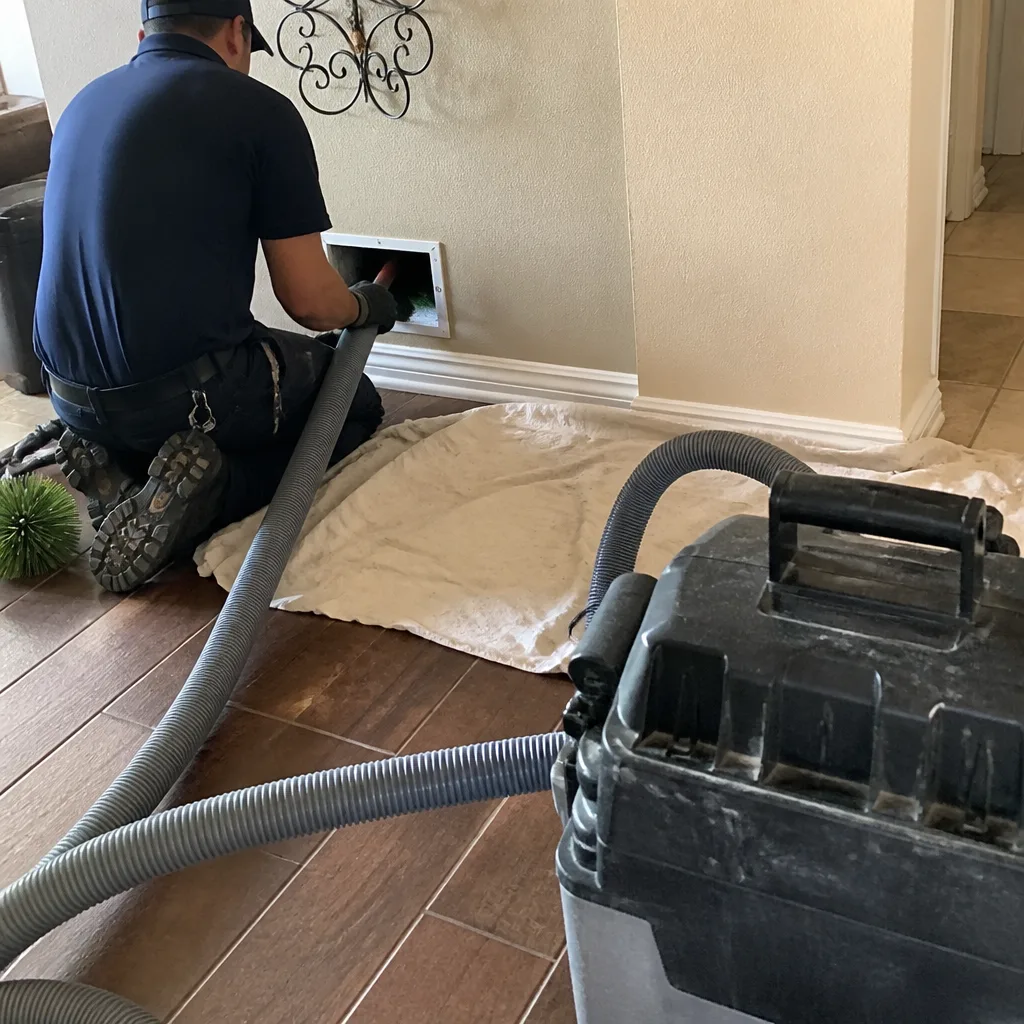
- Rotary agitation. A Rotobrush rotary brush system is inserted through each supply drop and run the full length of accessible branch runs. The rotating bristles dislodge compacted debris that vacuum alone cannot move. In the trunk line, the brush is run from the plenum to each takeoff.
- Air washing. Compressed air tools, used in conjunction with the negative pressure, push loosened particulate toward the vacuum collection point. This is done section by section, never all at once.
- Return side cleaning. The return duct, filter housing, and blower compartment are cleaned. The return side often contains the largest debris load in Reseda homes because return filters are frequently undersized or installed incorrectly.
- Final inspection and documentation. The camera goes back in for after-photos. A legitimate company provides you with before-and-after images of the same locations, not just a verbal summary.
Equipment matters here. A shop vac is not a Nikro negative air machine. A drill-mounted brush is not a Rotobrush system. The distinction is not brand snobbery. It is physics. The vacuum must move enough air volume to create negative pressure across the entire sealed duct system, and the agitation method must physically contact the duct walls. Anything less leaves material behind.
Why Reseda’s Older Housing Stock Needs Different Equipment Access
Reseda’s single-family housing stock is dominated by construction from the 1950s through the 1970s. These homes, many of them slab-on-grade ranchers, were built before central air conditioning was standard. When AC was retrofitted, the ductwork was often run through attics, crawlspaces, or furred-down ceiling chases that were not designed with future service access in mind. That creates access challenges a trained technician must account for before the first brush goes in.
The most common configuration we find in Reseda slab homes is a single central return, often located in a hallway ceiling, feeding a supply plenum that splits into multiple branch runs extending outward from the air handler. The branch runs are frequently metal duct from the original heating system, later adapted for AC with fiberglass wrap that has degraded over decades. Flex duct connectors, added during 1980s and 1990s retrofits, bridge the older metal sections. Those connectors are a common failure point where air leaks and dust infiltration occur.
Access to this configuration typically requires working from the attic or crawlspace, not from the registers alone. A cleaning crew that only works from the register side is covering perhaps forty percent of the accessible interior surface. The trunk line, the plenum, and the return drop all require access from the mechanical side. That means an entry point near the air handler, sealed during the cleaning to maintain negative pressure, and closed afterward.
Older duct systems also present repair considerations that newer construction does not. Metal ducts in forty and fifty year old homes show corrosion at seams. Flex connectors separate from takeoffs. Fiberglass wrap deteriorates and sheds fibers into the airstream. A company that only cleans will note these issues and move on. A company that also repairs can address them. That is the distinction our Air Duct Repair in Reseda service exists to bridge: we clean, then we repair.
Visual Reports vs. Airflow Measurement: How to Verify the Work
The cleaning industry standard for verifying work is a visual inspection report: before-and-after camera footage of the duct interior. This is valuable and you should expect it. But a camera shows you what the duct walls look like. It does not tell you whether the system is moving air better after the cleaning than before. For that, you need airflow measurement, and most companies never offer it.
Airflow measurement uses a handheld anemometer or a balometer at each supply register to record air velocity and volume before the cleaning begins and after it concludes. The numbers are compared. A properly cleaned system should show measurable improvement at every supply, with the largest gains at the registers farthest from the air handler, where accumulated debris and restricted airflow typically show up first. A legitimate cleaning should produce before-and-after data you can read yourself.
In a typical Reseda home with a 3-ton system, a supply register moving 85 cubic feet per minute (CFM) before cleaning should move 95 to 110 CFM after a legitimate cleaning, assuming the branch run was significantly loaded. If the numbers do not move, one of two things is true: the ducts were not actually cleaned, or there is a downstream restriction the cleaning exposed, such as a collapsed flex section or a disconnected takeoff. Both outcomes matter. The first tells you the job was not done. The second tells you the Air Duct Repair in Reseda evaluation needs to happen next.
Ask a prospective company directly: “Do you measure airflow at each register before and after the cleaning, and will you give me those numbers?” The answer tells you a lot. A company that measures airflow is confident the work will show measurable results. A company that only offers photos is often relying on the subjective impression of “cleaner-looking” duct walls, which is easy to produce without actually improving system performance.
What Air Duct Cleaning Actually Costs in Reseda
Pricing for air duct cleaning in Reseda follows a predictable range, and the spread is explained almost entirely by the method and equipment used. A single system in a typical 1,500 to 2,200 square foot slab home falls between $450 and $900 when done properly. Smaller homes with a single return and short branch runs sit at the lower end. Larger homes, two-story additions, or systems with multiple returns and long trunk lines fall at the higher end.
Here is how pricing typically breaks down by system component:
- Supply-side cleaning (all branch runs plus trunk): $250 to $450
- Return-side cleaning (return drop, filter housing, blower compartment): $100 to $200
- Dryer vent cleaning (standalone or combined): $75 to $150
- Airflow measurement and before-after documentation: Included with a legitimate cleaning, often a line-item addition elsewhere
- Full-system cleaning for an average Reseda single-family home: $450 to $900 total
The companies advertising $99 whole-house cleanings are doing something different from what this guide describes. A $99 visit cannot pay for the equipment, labor, and documentation of a legitimate process. What those calls typically produce is a register-end agitation with a portable vacuum, a set of filter sales, and a hard pitch for add-ons before the technician leaves. The bait-and-switch reputation in this industry exists because of that model.
Our position is simpler: one flat price per system, agreed before work starts. No per-vent pricing, no surprise line items after the technician is in the attic. The estimate reflects the system you have, and the price does not change when the job is underway. If you want an exact quote for your home, call us at (855) 353-1653. You’ll get a real number based on a real inspection, not a teaser figure designed to get a van in your driveway.
Homeowners who want to improve indoor air quality beyond cleaning often ask about filtration upgrades. We stock and service Honeywell and Aprilaire systems because those are the two manufacturers whose equipment we trust. A cleaning removes what is already in the ducts. A better filter reduces what enters them. Both have a role, and we’d rather see a homeowner run a legitimate 4-inch media filter than spend twice the money on a series of quick cleanings.
Common Mistakes to Avoid
- Assuming the lowest quote is the best value. A $99 cleaning that leaves most of the debris in place is not a value. It is a preview of what you’ll pay a real company to fix later.
- Replacing filters without addressing the duct interior. A new filter protects the system going forward. It does nothing for the accumulated material already coating the duct walls from years of previous operation.
- Believing that a visual-only “inspection” is a cleaning. Some companies sell an inspection camera look as a service. Inspection is a step in the process, not the process itself.
- Putting off post-wildfire inspections. Smoke residue in ducts does not degrade on its own. It sits there, gets recirculated, and worsens indoor air quality until it is mechanically removed.
- Ignoring the dryer vent. Your dryer vent is a fire risk, not a convenience issue. Lint accumulation in a Reseda home with a long vertical vent run is a leading cause of residential dryer fires. A dedicated Dryer Vent Cleaning in Reseda should happen annually.
- Cleaning around known duct damage. If you know a section of flex duct is collapsed or a takeoff is disconnected, cleaning the system without repairing it means the new airflow just leaks into the attic. Repair and cleaning should be evaluated together.
When to Call a Professional
There are situations where the right move is a phone call, not a research session. If you see visible dust plume from your supply registers when the system starts, that is not a filter issue. The debris is already inside the ducts, and every cycle is distributing it. If you smell a musty or smoky odor that worsens when the blower runs, the source is likely inside the system, not in the room. If some rooms in your Reseda home are noticeably warmer than others despite balanced damper settings, restricted airflow from accumulated debris or disconnected duct sections is the most common cause we find. And if your energy bills have climbed year over year without a rate increase explaining the change, a loaded duct system forcing longer runtimes may be part of the picture. For any of these, Air Duct Cleaning Reseda offers free estimates in Reseda. Call (855) 353-1653 and we’ll inspect the system and tell you what we find, whether or not you book the work.
Frequently Asked Questions
Expect to pay between $450 and $900 for a legitimate full-system cleaning in a typical Reseda single-family home. The range reflects system size, number of returns, and duct configuration. A real number, based on your actual system, comes from an inspection. Call (855) 353-1653 for an exact quote. Estimates are free.
Cheaper quotes come from companies that do less work. A $99 or $199 whole-house cleaning skips negative pressure containment, does not clean the trunk line, and spends thirty to forty minutes on the job. The debris stays in your ducts and the company leaves. The honest answer is that legitimate duct cleaning requires commercial-grade equipment and the labor to operate it properly, and that has a real cost.
Demand before-and-after camera footage of the same locations inside your ducts, and ask for airflow measurements at each register before and after the cleaning. A legitimate company will provide both. If the company only produces a receipt and a verbal summary, you have no way to verify anything was removed. Ask for the data before you book.
For most Reseda homes, every 2 to 3 years. The Valley’s extended cooling season pushes HVAC runtime to roughly double the national average, which means particulate accumulates in your ducts faster than the standard guidance assumes. Homes with pets, recent remodel work, or post-wildfire exposure may need attention sooner. A legitimate company will tell you what your system actually needs based on inspection, not a calendar.
Yes. Your dryer vent is a dedicated exhaust path that carries hot, lint-laden air from the dryer to the outside. It is not connected to your HVAC duct system. The lint that accumulates there is highly flammable and requires its own cleaning process. Our Dryer Vent Cleaning in Reseda service addresses this separately from HVAC duct cleaning, and it should be scheduled annually.
Duct cleaning removes the reservoir of particulate that recirculates through your living space every time your system runs. If your allergy symptoms are triggered by dust, pollen, or other airborne irritants being pushed through your supply registers, removing that accumulated material is a meaningful step. It is not a medical treatment, and it does not replace regular filter changes or addressing moisture issues. But as a mechanical intervention in a system actively distributing particulate, it is one of the most direct improvements you can make to indoor air quality in a Reseda home.
The Bottom Line
Your duct system in Reseda is working harder than the national baseline assumes, accumulating particulate faster, and getting exposed to conditions, like wildfire smoke and decades-old construction materials, that generic maintenance schedules do not account for. A legitimate cleaning removes what has accumulated using equipment that actually extracts the material, not a portable vacuum waved at registers. Verify the work with before-and-after documentation and airflow numbers. Repair what is broken rather than cleaning around it. And schedule based on your system’s actual runtime, not a national rule of thumb. Better air starts in the ducts, not on a shelf.
Written by the team at Air Duct Cleaning Reseda home, serving Reseda since 2011.
See the difference
 Before
 After
 Before
 After
 Before
 After