
Last updated November 2, 2026
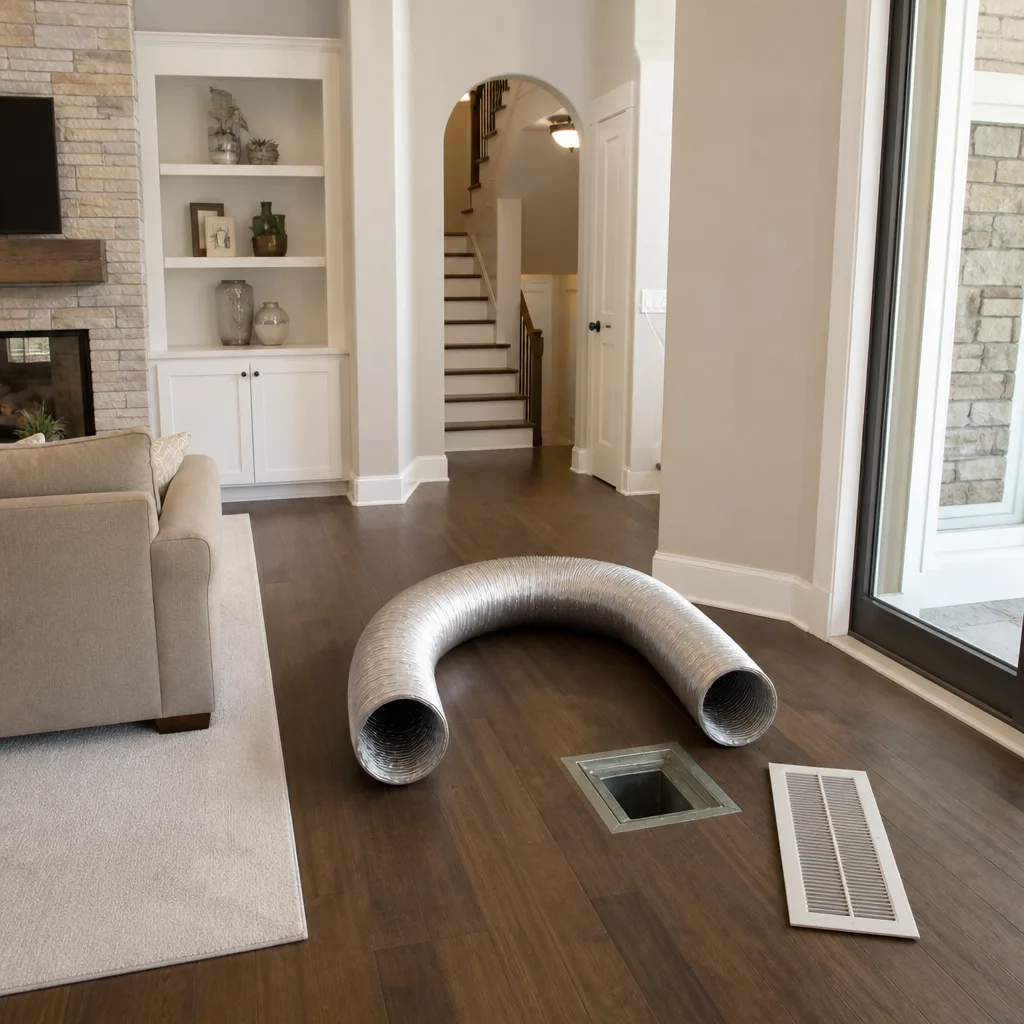 Whole-home duct cleaning
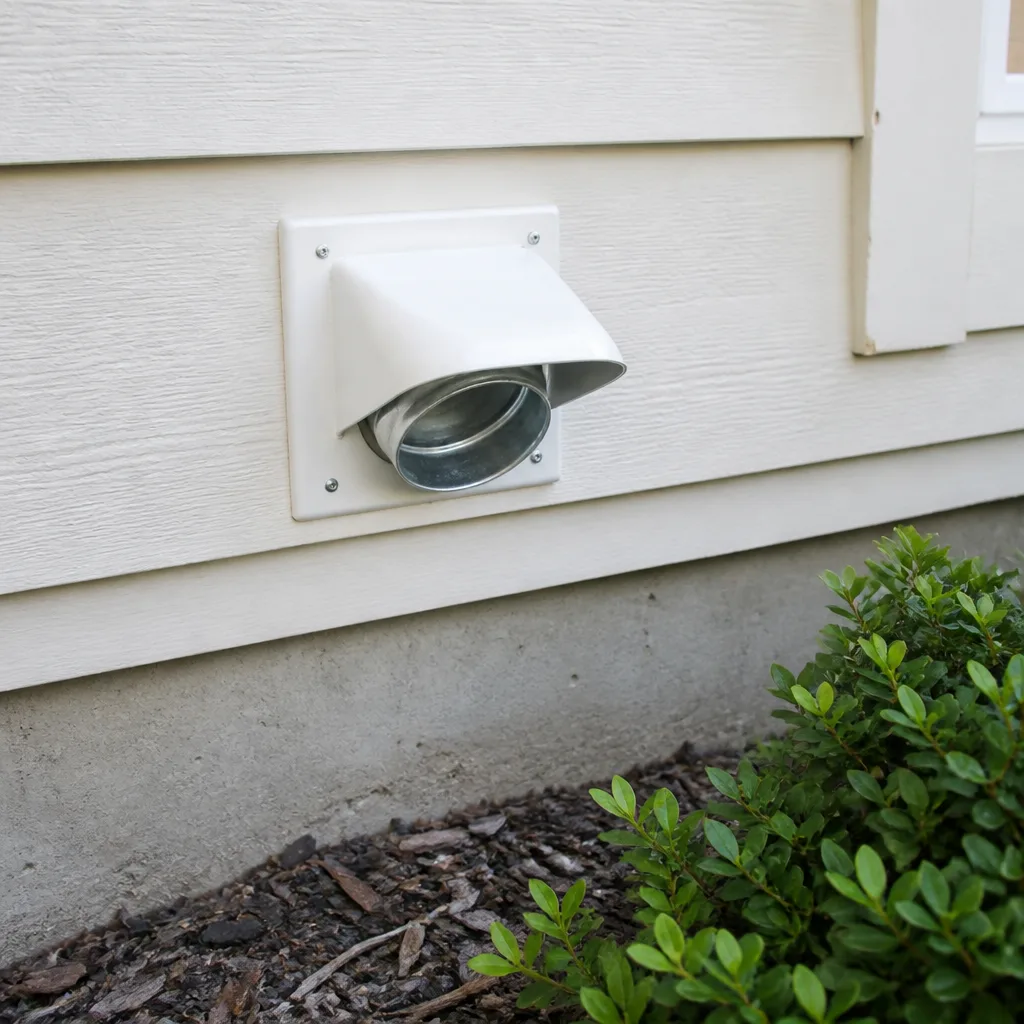 Dryer vent cleaning
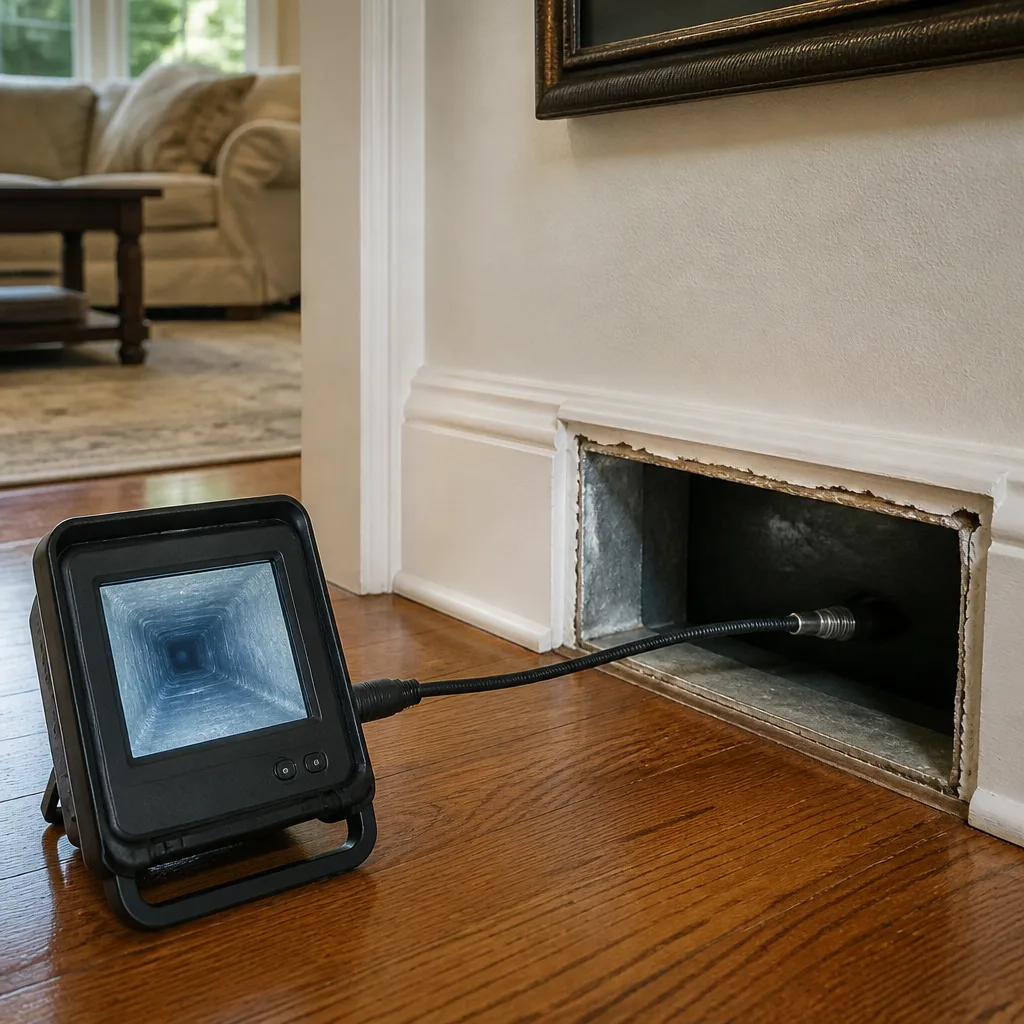 Camera inspection
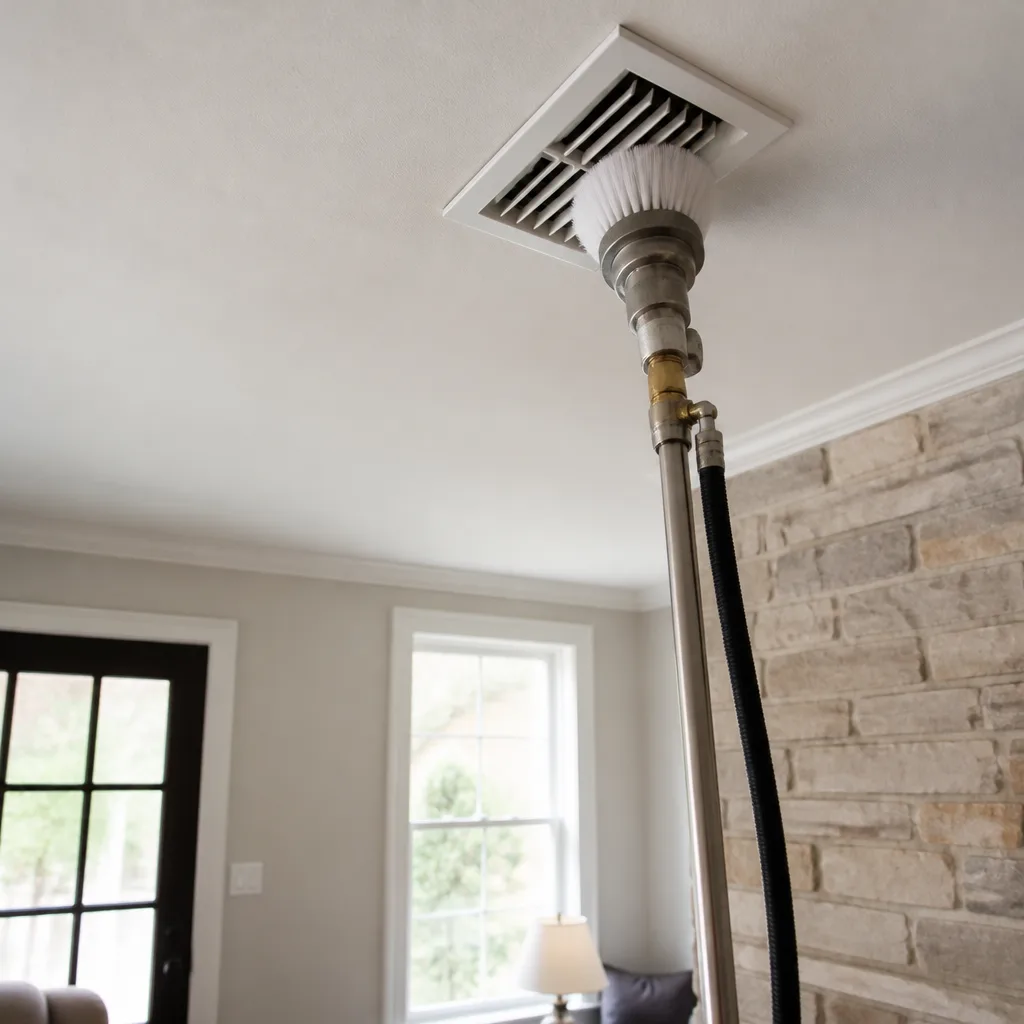 Sanitizing & deodorizing
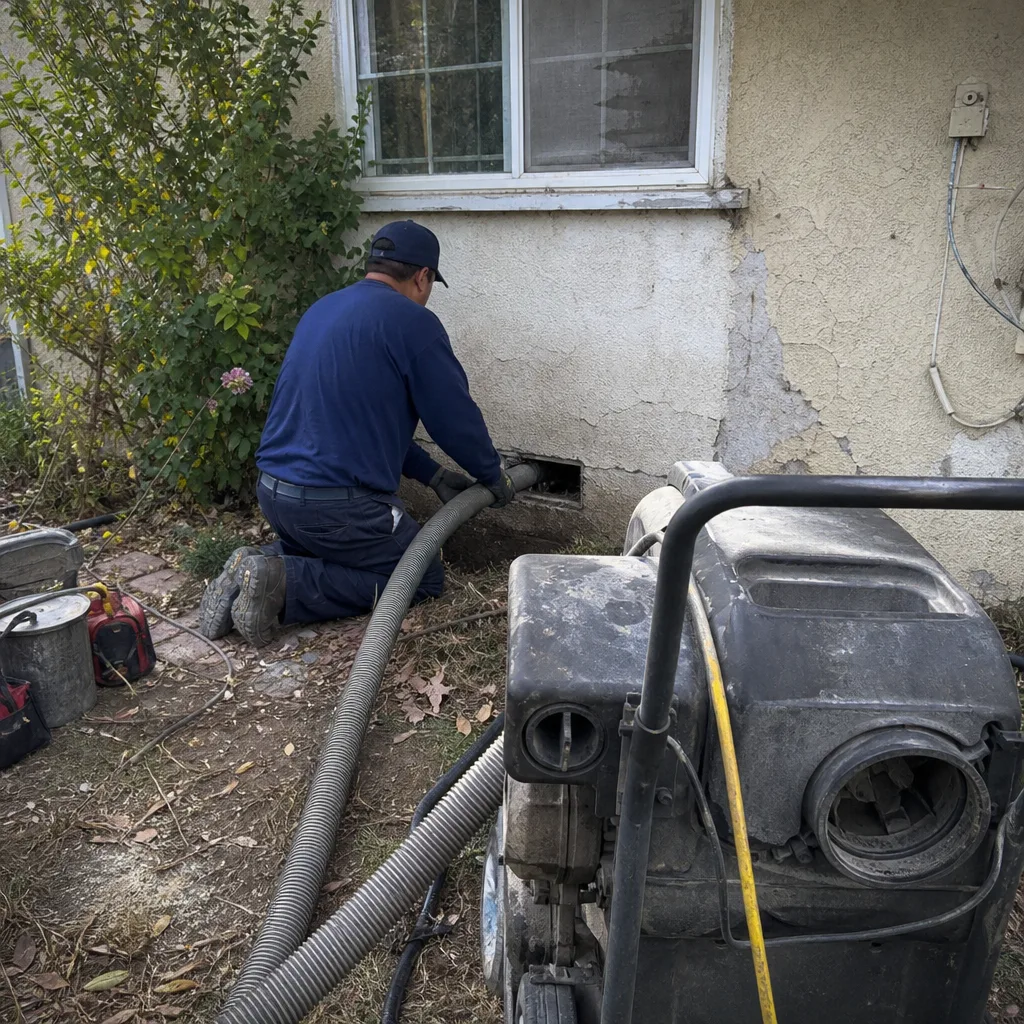
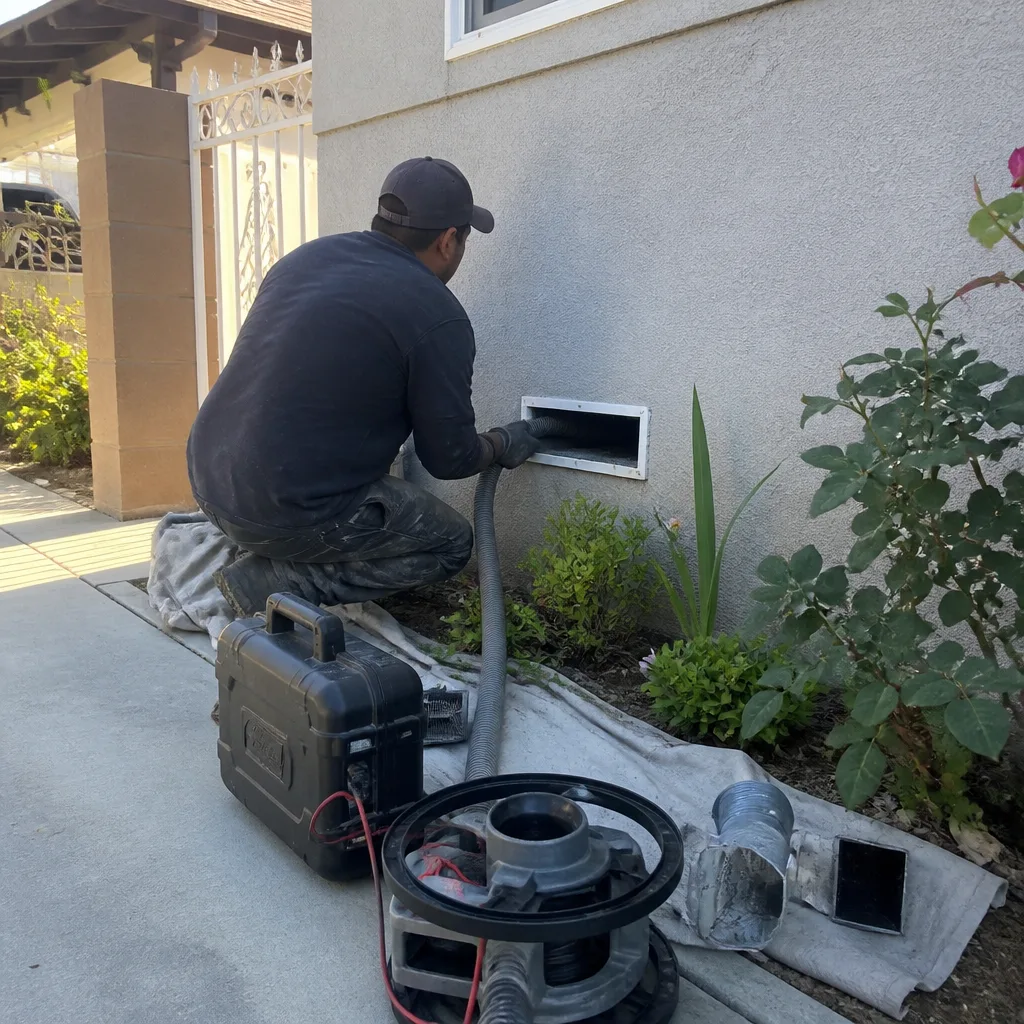
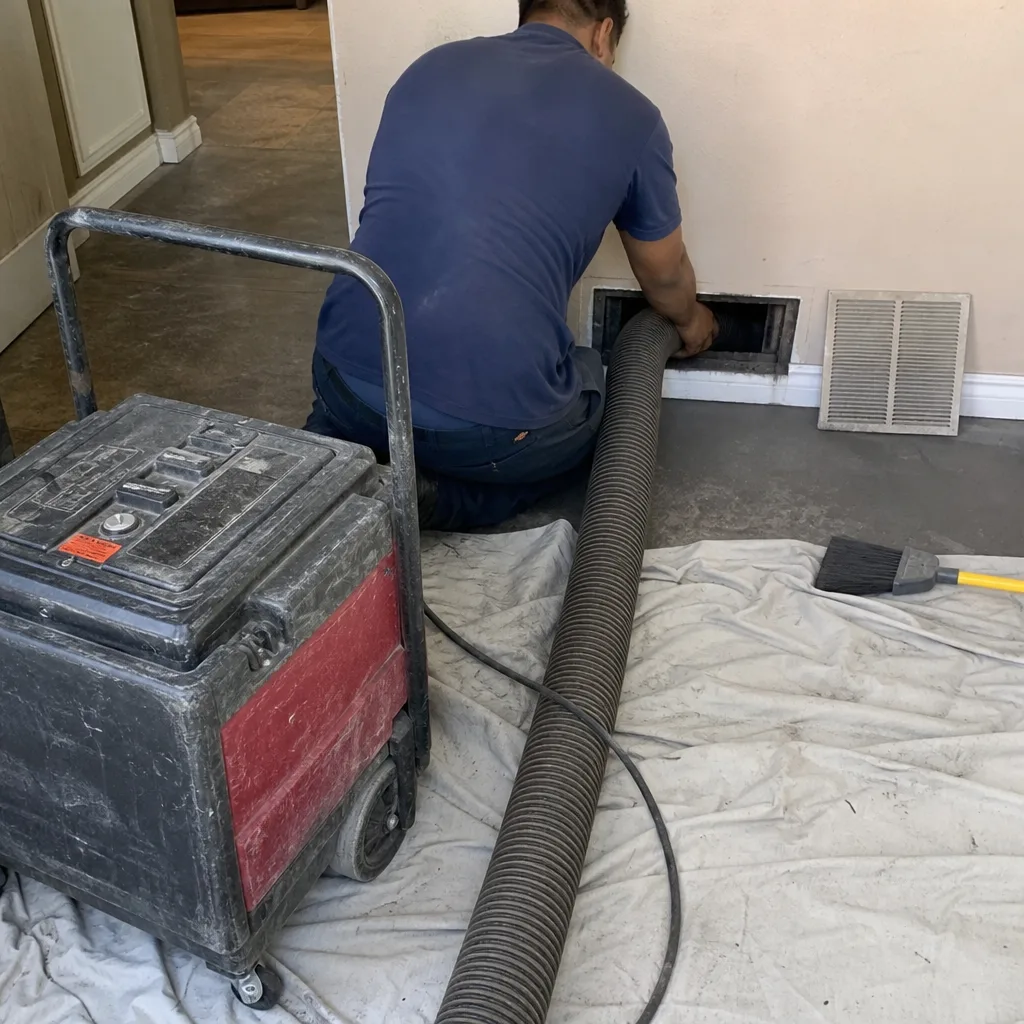
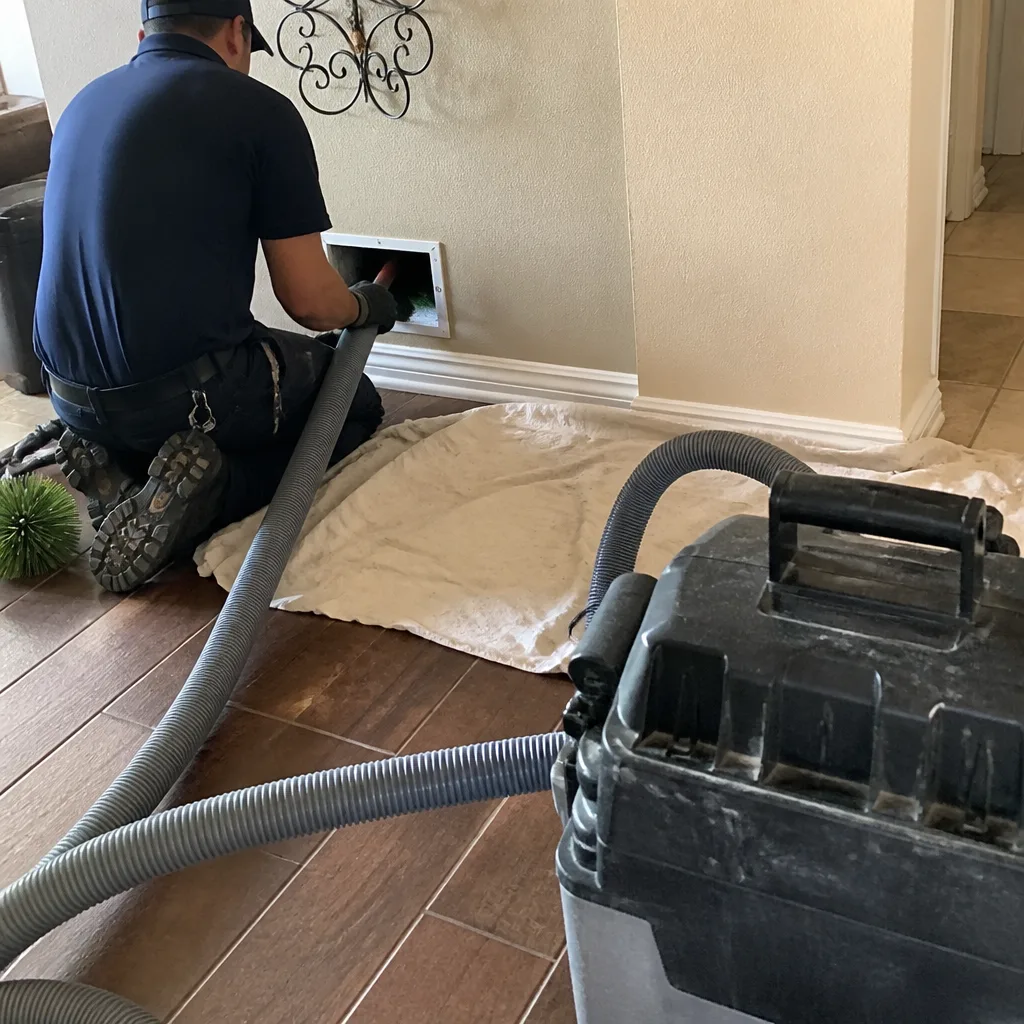
Whole-system duct and dryer vent check with before-and-after photos - you see exactly what came out of your vents
That "$99 whole-house special" is a bait ad - the real number appears once they are in your hallway, or the "clean" is a shop-vac at the register. We photograph the inside of your ducts before and after instead.
DIY vs Professional Air Duct Cleaning: The Reseda Homeowner’s Decision Guide
You can absolutely clean your air ducts yourself, the same way you can sand a floor yourself. The question is whether a belt sander rented from Home Depot produces the same result as a drum sander with commercial abrasives. In duct cleaning, the equipment gap is even wider, and unlike floors, you can’t see what you didn’t get. This guide walks Reseda homeowners through exactly where DIY maintenance stops being useful and where professional tools become the only option for actual contaminant removal. You’ll learn what you can legitimately do yourself, what physically cannot be done without commercial-grade equipment, and how to decide which approach fits your home’s age, your household habits, and your budget.
Styles & brands we work with
- Whole-home duct cleaning
- Dryer vent cleaning
- Camera inspection
- Sanitizing & deodorizing
Quick Answer
DIY air duct maintenance in Reseda is genuinely worthwhile for surface-level work: register vacuuming, filter changes, and plenum wipe-downs. But if you want debris removed from the branch ducts that run through your walls and ceiling, consumer tools physically cannot reach that far, and the job requires the negative-pressure extraction and rotary agitation that professional equipment provides. For homes over 5 years old with pets, smokers, or allergy sufferers, professional Air Duct Cleaning services are not an upgrade, they’re the only method that actually cleans the system.
Table of Contents
- The Equipment Gap: What Consumer Tools Can’t Physically Do
- What a Reseda Homeowner Can Legitimately Do (And What It Gets You)
- When DIY Maintenance Is Genuinely Enough
- How the Rotobrush System Changes the Equation
- When DIY Attempts Make the Professional Job Harder
- Cost Comparison: DIY vs Professional in Reseda
- Common Mistakes to Avoid
- When to Call a Professional
- Frequently Asked Questions
- The Bottom Line
The Equipment Gap: What Consumer Tools Can’t Physically Do
Here’s the number that matters. A standard 5-gallon shop vac, the kind most Reseda homeowners already have in the garage, produces approximately 100 to 150 CFM of suction. That’s enough to pull loose dust from the first few feet of a duct run. But the branch ducts in your walls extend 10, 20, sometimes 30 feet from the register. Beyond about 4 to 5 feet, that shop vac simply cannot generate the sealed airflow velocity needed to pull compacted debris off duct walls.
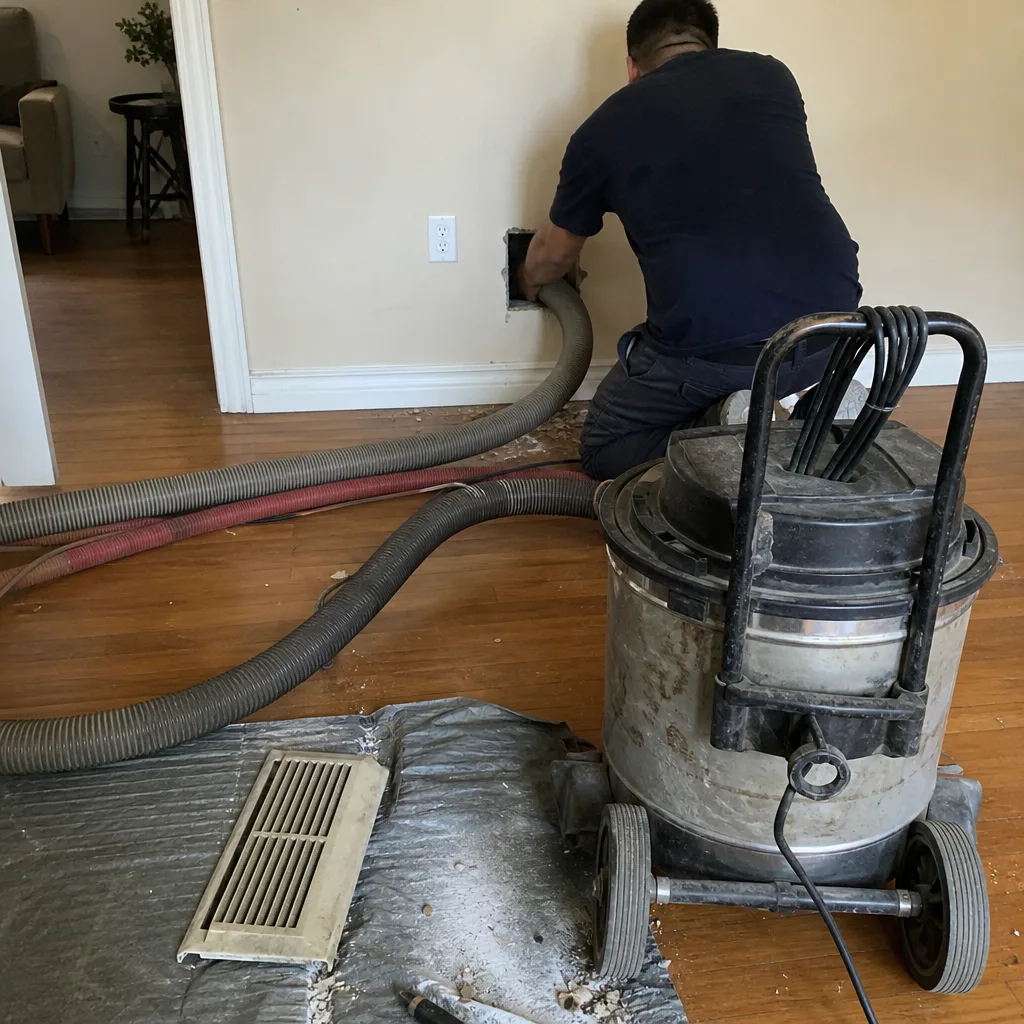
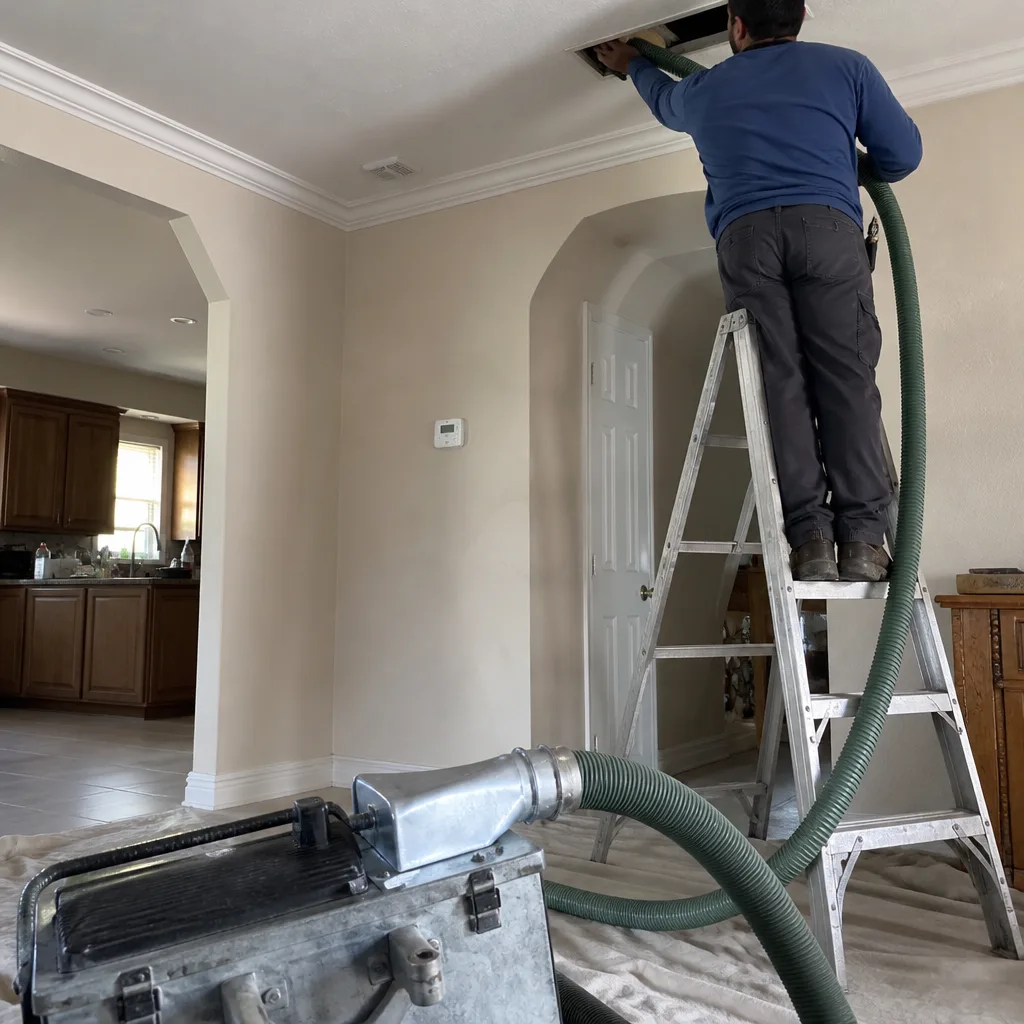
Professional equipment operates on an entirely different scale. A Nikro 16-gallon HEPA collection unit produces 180-plus CFM with sealed negative pressure, meaning air isn’t just blowing around, it’s being pulled through the system with enough force to extract what’s actually embedded in the duct lining. That’s before you factor in agitation, which is the other half of the equation. Suction alone, even commercial suction, won’t remove debris that’s been compressed against duct walls by months of airflow. Something has to break it loose first.
In Reseda, where summer air conditioning runs hard from May through October, dust gets baked into ductwork. The heat cycling dries out particulate matter and bonds it to surfaces. When we open up a system that hasn’t been cleaned in a decade, what we’re seeing is not loose dust. It’s a compacted layer that has to be mechanically agitated before any vacuum, commercial or otherwise, can pull it out.
What a Reseda Homeowner Can Legitimately Do (And What It Gets You)
Let’s be direct about what DIY can accomplish, because pretending it’s useless is dishonest. There are three things a homeowner with basic tools can do that produce real, measurable improvement in indoor air quality.
- Register and grille removal with vacuuming. Unscrew your supply and return registers, remove them, and vacuum the accessible duct opening as far as your vacuum hose reaches. This removes surface dust, pet hair, and small debris that collects right at the opening. It improves airflow immediately and takes less than an hour for a typical Reseda home with 8 to 12 registers.
- Filter replacement and housing cleaning. The filter slot is where a surprising amount of bypass dust collects. Replace the filter with a quality MERV-rated option, but also wipe down the filter housing itself. Dust that accumulates around the edges gets pulled past the filter and into the system. This is a 10-minute job that genuinely matters.
- Accessible plenum wipe-down. If your home has an accessible return plenum, usually near the air handler, you can open it (with the system off) and wipe down the visible interior surfaces with a damp microfiber cloth. This removes the largest accumulation of debris in most systems and is safe for anyone to do.
What these three tasks get you is a cleaner system entrance and exit point. They reduce the dust load entering your living space and improve filter efficiency. What they do not get you is clean ductwork. The Interior of the branch lines, the part that actually moves conditioned air through your home, remains untouched.
When DIY Maintenance Is Genuinely Enough
There are real scenarios where homeowner maintenance is not just adequate but appropriate. If you live in one of the newer subdivisions in Reseda, in a home built within the last 5 years, your ductwork may not yet have accumulated enough debris to justify professional cleaning. New construction leaves dust, but it’s loose and surface-level unless there’s been significant renovation work since.
A non-smoking household with no pets is another case where DIY maintenance stretches further. Pet dander and tobacco residue are two of the primary contributors to compacted duct debris. Without them, the accumulation rate slows significantly, and that 5-year interval between professional cleanings can extend to 7 or 8 years with consistent filter discipline.
Finally, DIY maintenance works well as a bridge between professional visits. If we cleaned your system two years ago, doing register vacuuming and filter changes every 3 to 6 months extends the value of that professional cleaning. You’re not preventing the need for future professional work, but you’re slowing the accumulation rate and keeping airflow numbers up in the meantime.
How the Rotobrush System Changes the Equation
The Rotobrush system is worth understanding because it’s the single technology that makes professional duct cleaning categorically different from anything a homeowner can do. The system combines two actions simultaneously: a rotating brush that mechanically agitates the duct walls, and a synchronized negative-pressure vacuum that extracts the loosened debris at the same moment it’s dislodged.
The rotating brush matters because of what it breaks loose. Debris inside ducts is not uniform. There are dust bunnies, pet hair mats, small insulation particles, and sometimes construction debris like drywall dust or wood shavings that have been in the system since the home was built. These materials wedge themselves into corners and against duct seams. The brush sweeps them free at contact, while the vacuum is already pulling them out. Nothing gets a chance to re-settle.
This is the specific point where DIY fails even in theory. You can insert a brush into a duct from a register. You can push it around. But without simultaneous negative pressure at the other end of the run, you’re just moving debris around. Some of it will fall back into the duct. Some of it will blow into the living space. The Rotobrush’s dual-action design is why professionals can guarantee that what’s removed actually leaves the system.
When DIY Attempts Make the Professional Job Harder
There’s a particular DIY mistake we see repeatedly in Reseda homes, and it’s worth calling out clearly: using compressed air to blow out ducts. The logic feels sound. Canned air or an air compressor will blast debris loose, right?
The problem is what happens next. Without a negative-pressure collection system running simultaneously, the debris you just mobilized has nowhere to go except further into the duct system, out through other registers, or onto the evaporator coil. The coil is the worst of these destinations. A layer of dust on the coil reduces system efficiency, which means your AC works harder and costs more to run in the Reseda summer. It also creates a damp, organic environment where that dust becomes a substrate for biological growth.
Once debris has been blown onto the coil, a standard duct cleaning becomes a more involved job. The coil has to be accessed, cleaned separately, and sometimes the blower wheel needs attention as well. What could have been a straightforward cleaning becomes a repair-adjacent situation, and it was entirely avoidable. If you’ve already done the compressed air thing, tell us on the phone when you schedule. We’re not judging; we’re adjusting the scope of work so the cleaning actually addresses the consequences.
Cost Comparison: DIY vs Professional in Reseda
Let’s talk real numbers, because “professional cleaning costs money and DIY doesn’t” is too reductive. DIY has costs too, mostly in equipment that doesn’t do the job.
Typical DIY Costs for Reseda Homeowners
- Shop vac (already owned by most homeowners): $0 to $120 for a new one, produces 100 – 150 CFM and reaches 4 – 5 feet into duct runs
- Extension hose and crevice tools: $30 – $60, adds reach but reduces effective suction with each added foot
- Replacement filters (box of 3): $30 – $60 for MERV 8 to MERV 11, essential regardless of cleaning method
- Microfiber cloths, basic tools, time: 2 – 3 hours for a full register-and-filter pass on a typical 3-bedroom Reseda home
Professional Cleaning in Reseda: What You’re Actually Paying For
- Whole-system air duct cleaning, average Reseda home (1,500 – 2,500 sq ft): Generally in the $350 – $650 range, depending on the number of systems, accessibility of the air handler, and the condition of the ductwork
- Rotobrush agitation plus Nikro HEPA negative-pressure extraction: Two passes through every accessible duct run, including supply and return sides
- Abatement Technologies containment setup: The living space is protected from cross-contamination during the cleaning, which is the part most homeowners don’t know they should be asking about
- Post-cleaning inspection with photos: You see what was removed, and you see what the ducts look like after
The DIY approach costs $60 to $180 in consumables and tools you mostly already own. The professional approach costs several hundred dollars. The difference is that the DIY approach cleans the first 5 feet of each duct run, and the professional approach cleans the entire system. For most Reseda homes, what’s in the remaining 20 feet is the actual problem.
Common Mistakes to Avoid
- Using compressed air without simultaneous extraction. This mobilizes debris into the living space and can re-deposit it on the evaporator coil. Once the coil is coated, the job scope changes and the system runs less efficiently until it’s addressed.
- Assuming a new filter fixes existing contamination. A filter captures what passes through it going forward. It does nothing for the debris already in the duct walls. If your ducts are dirty, a fresh filter just means clean air blowing over old dirt.
- Pushing a vacuum hose deeper with no agitation. Even a powerful shop vac loses effectiveness past 5 feet, and without a brush mechanism, compressed debris stays stuck to the duct walls. You’ll pull some surface dust and leave the real accumulation behind.
- Skipping the return side entirely. Most DIY efforts focus on the supply registers because that’s where visible dust collects. But the return side pulls all the home’s air through it, and it’s often the dirtier half of the system.
- Using consumer-grade brushes and then declaring the job done. Without negative pressure at the other end, brushing just re-distributes debris. You’ll feel like you did something, and within weeks the airflow numbers will look the same.
- Delaying filter changes in an attempt to make cleaning “last longer.” A clogged filter forces the blower to work harder, reduces airflow, and can pull unfiltered air through gaps. In the San Fernando Valley heat, that’s a recipe for early blower motor failure.
When to Call a Professional
You should call for professional air duct cleaning in Reseda when any of these apply: your home is over 5 years old and has never been cleaned, you have pets that shed, anyone in the home smokes, you’re seeing visible dust accumulating within days of dusting, or you’ve done renovation work since the last cleaning. The same applies if you’ve noticed musty odors from the registers, rising energy bills with no obvious cause, or dust coating the inside of the return grille that doesn’t come off with a wipe. Professional cleaning is also warranted after moving into a previously owned home in Reseda, since you don’t know what’s in the system from prior occupants. Air Duct Cleaning Reseda offers free estimates in Reseda; call (855) 353-1653 and we’ll inspect the system before quoting.
Frequently Asked Questions
Most single-family homes in Reseda fall in the $350 to $650 range for a complete supply-and-return cleaning, depending on system size, accessibility, and duct condition. The quote should be a single flat price per system agreed before work starts, not a per-vent charge that can inflate once the crew is on site. Call (855) 353-1653 for an exact quote on your home; estimates are free.
Cheap quotes usually mean a “blow-and-go” approach: a technician shows up, vacuums accessible registers, and leaves. That’s not what actually removes the debris from your ductwork. If a quote is under $200 for a whole home, you’re not getting agitation or negative-pressure extraction; you’re getting the DIY method with a company van parked outside.
A legitimate company provides photo documentation of the before and after, including the interior of the ducts and the debris that was collected. If a company won’t show you what they removed, they probably didn’t remove much. We photograph every system we clean as a standard part of the job, not as an add-on.
For a home under 5 years old with no pets, no smokers, and disciplined filter changes, DIY maintenance every 3 to 6 months can meaningfully extend the interval between professional cleanings. But it will not eliminate the need for them. Debris accumulates beyond the reach of consumer tools, and eventually that accumulation affects airflow, indoor air quality, and system efficiency.
In the Reseda climate, where AC runs heavily for 5 to 6 months a year, most homes benefit from professional cleaning every 3 to 5 years. Homes with pets, smokers, or recent renovations should trend toward the shorter end. Homes that are relatively new and well-maintained can stretch toward 6 to 7 years. The right answer depends on what we find when we inspect your system.
Your AC system and your ductwork work as one unit. Dirty ducts force the blower to push harder to maintain airflow, and in Valley summers, that inefficiency shows up directly on your electric bill. Clean ducts mean the conditioned air reaches your rooms without obstruction, and the system doesn’t have to overwork to compensate. The two things aren’t separate; a dirty duct system is an inefficient cooling system. For more guides & resources on keeping your system efficient, explore our blog.
The Bottom Line
DIY air duct maintenance is legitimate and worth doing. Register vacuuming, filter replacement, and plenum wipe-downs are real work with real benefit, and any Reseda homeowner who does them consistently is ahead of most. But there’s a hard physical limit to what consumer tools can reach, and that limit is about 5 feet from each register. Everything beyond that requires the rotary agitation and sealed negative-pressure extraction that only commercial equipment provides. If your home is over 5 years old, or you have pets, or you’ve never had the system professionally cleaned, the honest answer is that DIY is not a substitute. It’s a maintenance step between professional visits. And for the Air Duct Cleaning Reseda home page, that’s a distinction worth being honest about.
About the Author
Written by the team at Air Duct Cleaning Reseda, serving Reseda since 2011. We’re a focused duct-cleaning, dryer vent cleaning, and air duct repair company working with Rotobrush, Nikro, and Abatement Technologies equipment to give Reseda homeowners cleaner air and more efficient HVAC systems.
See the difference
 Before
 After
 Before
 After
 Before
 After