
Nikro Air Duct Cleaning in Reseda: A Homeowner’s Guide
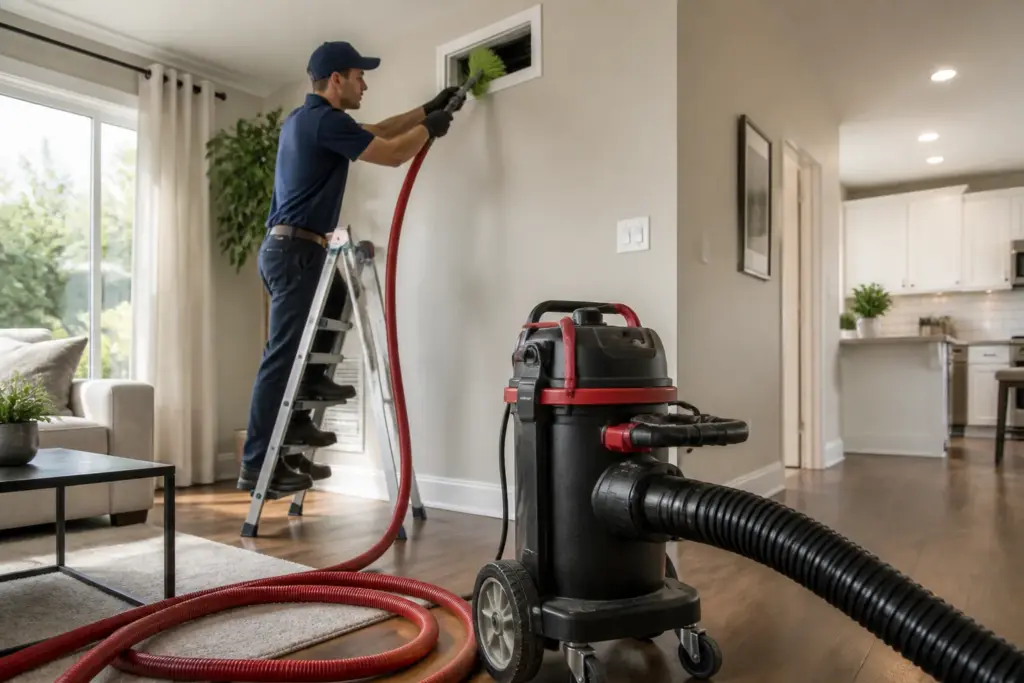
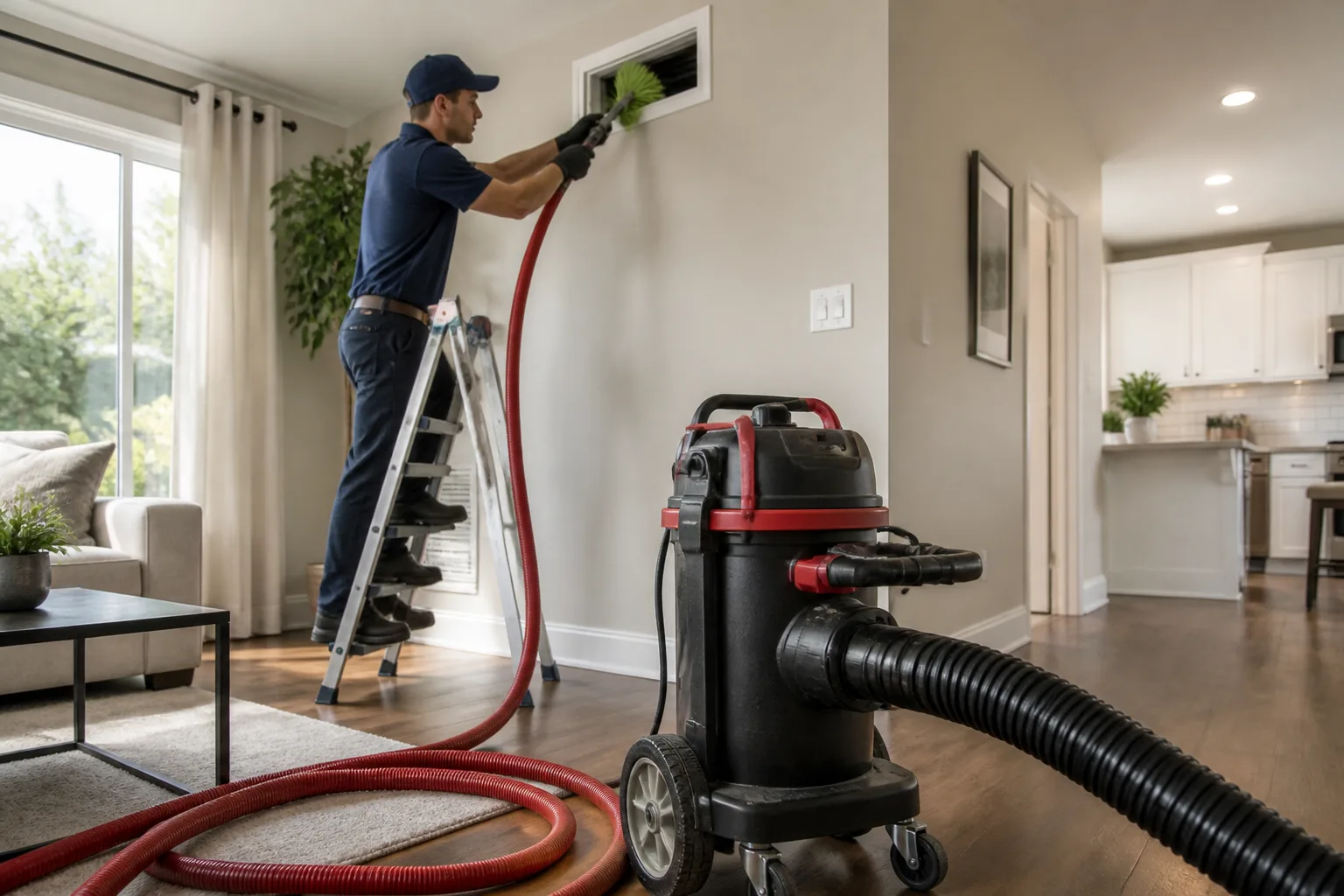
Nikro air duct cleaning in Reseda means a contractor shows up with one of the most respected names in professional air-moving equipment on the truck. What it doesn’t guarantee is that they know how to use it correctly. A Nikro HEPA-filtered negative air machine creates the pressure differential that pulls loosened debris toward collection instead of blowing it through your living room – but only if the operator understands duct layout, register count, and the CFM your system actually needs. Most homeowners can’t tell the difference from the driveway, which is exactly what this guide fixes. If you’d rather skip the technical deep-dive and just get your ducts cleaned properly, call (855) 353-1653 for a free estimate.
What Nikro Equipment Actually Does Inside Your Ducts
Nikro Industries has built extraction and air-scrubbing equipment for professional remediation work since 1972. When a Nikro unit is set up for duct cleaning, it functions as a high-powered negative air machine: it pulls air from your duct system through a HEPA filtration bank at a rate measured in cubic feet per minute (CFM). The machine creates negative pressure inside the ductwork, which means air wants to flow toward the collection point rather than escaping into your home. This is the mechanical principle that separates real containment from what we call blow-and-go cleaning.
Here’s the sequence that matters, and it’s the part most Reseda homeowners never see happen:
- Negative pressure established first: The Nikro unit gets sealed to the main trunk line and powered on before any agitation begins. This creates the downward draft.
- Agitation only after containment: Only once air is flowing toward the filter does the tech start working brushes or air whips through the registers. Debris loosened by agitation gets carried by the airflow to the HEPA filter instead of drifting into bedrooms.
- HEPA filtration at the point of collection: Nikro’s HEPA filters capture 99.97% of particles at 0.3 microns. The air leaving the machine is cleaner than the air going in, which is why these units get used in hospital and remediation settings.
Skip the containment step and you’ve got a guy with a spinning brush pushing dust around your system. The equipment name doesn’t save you from bad technique.
Why Nikro Matters for Reseda’s Flex Duct Systems
Most homes built in Reseda after 1980 run on flexible ductwork: insulated wire-coil tubing with a plastic liner, snaking through attics that hit 130 degrees in August. Flex duct is a different animal from the rigid sheet metal you find in older Valley homes or commercial buildings. It sags, it kinks, and its inner liner collects a specific kind of debris – fine particulate that bakes onto the plastic surface over years of hot, dry air movement.
This is where the Nikro advantage gets real. Flex duct cannot handle aggressive metal augers or high-speed rotary brushes the way rigid steel duct can; the liner tears, and a torn liner inside a hot attic is a slow leak of conditioned air you’ll pay for every month. Nikro’s air-washing approach – using controlled negative air paired with soft agitation tools – pulls accumulated debris without damaging the liner. The dust in Reseda flex duct tends to be lighter and finer than the heavy sediment you see in metal systems elsewhere, so the extraction efficiency of the vacuum side matters more than brute-force scrubbing.
Our team has cleaned flex-duct systems in homes across Reseda’s post-1980 tract developments, from the neighborhoods north of Victory Boulevard down to the older pockets near Sherman Way. The debris profile is consistent: fine dust, pet dander, and a surprising amount of drywall powder from decades of small repairs. A Nikro unit running at the right CFM pulls it out without stressing the flex liner.
How to Tell if a Tech Is Using Nikro Correctly (Or Just Using It for Optics)
Equipment names get dropped in contractor marketing because homeowners recognize them. We’ve seen trucks parked in Reseda driveways with a Nikro unit visible in the back, and watched techs connect it to the duct system without ever checking the filter condition or verifying CFM at the farthest register. The unit was there for the photo.
You can verify proper use without being a technician. Here’s what to watch for:
- Filter inspection before work starts: The tech should physically remove and show you the HEPA filter, or at minimum confirm its status. A clogged filter turns a Nikro into a noisy box that moves no air. If they won’t show you the filter, that’s a red flag.
- Airflow test at a register: After the unit powers on, the tech should hold a tissue or smoke pencil near a supply register and show you air pulling inward. If there’s no visible draw, negative pressure isn’t established and the system is running wrong.
- CFM matched to your system size: A 1,400-square-foot Reseda house with 8 to 10 registers needs different extraction volume than a 3,000-square-foot property with zoned returns. Ask the tech what CFM they’re running and why. If they can’t answer, they’re following a script, not a procedure.
- Access points sealed properly: The Nikro unit should connect to the main trunk or plenum, not just shoved against a single register. The connection needs to be airtight, usually with a foam collar or tape. Gaps kill the pressure differential.
None of these checks require tools or expertise. They require a tech who respects the process enough to explain it.
Nikro Alone Doesn’t Guarantee a Good Cleaning
Here’s the honest part most cleaning companies won’t tell you: the machine is only as good as the person running it. We’ve pulled one out of a garage after a homeowner spent money with another company and saw zero difference in their allergy symptoms. A Nikro HEPA unit sat in the corner of the garage the whole time. The tech had connected it to a single return, skipped the filter check, and spent 45 minutes running a brush through registers without ever creating proper negative pressure. The unit was a prop.
The operator’s knowledge determines everything. Duct layout matters because flex-duct systems have dead legs and low-flow branches that need individual attention. Register count matters because you can’t shortcut the process by cleaning half the system and calling it done. System CFM rating matters because extraction that’s too aggressive on a small system can collapse weak flex duct, while extraction that’s too weak leaves debris suspended in the air stream.
A technician who understands these variables will ask about your system before quoting. They’ll want to know square footage, register locations, whether you have a single return or multiple, and when the system was last cleaned. If a tech shows up, glances at the furnace, and starts setting up equipment without asking any questions, the Nikro name on the truck isn’t going to save the results. This is also where Air Duct Repair in Reseda becomes relevant: sometimes we find compromised flex duct during a cleaning, and the repair capability means we can fix it in the same visit rather than cleaning around the problem and telling you to call someone else.
Nikro vs. Shop Vacs and Rotobrush: What the Comparison Actually Tells You
Homeowners researching duct cleaning in Reseda run into a wall of equipment claims, most of which mean nothing without context. A shop vac connected to a register will pull some debris; it won’t create system-wide negative pressure and it has nowhere near the filtration efficiency of a HEPA unit. A Rotobrush rotary brush system is excellent at dislodging debris mechanically, but without proper extraction simultaneously running, it’s just kicking dust loose. The two tools do different jobs: agitation and extraction.
Nikro’s role is on the extraction side. The comparison isn’t Nikro versus Rotobrush; it’s whether the contractor runs both functions together, in sequence, with the right pressure balance. In our Reseda work, we use Air Duct Cleaning Reseda home equipment that pairs rotary agitation with Nikro HEPA extraction, because flex duct systems need both gentle mechanical loosening and serious air movement to clear effectively. Running one without the other is half a job.
For homeowners, the useful question isn’t “which machine is best?” It’s “how do you run agitation and extraction together, and can you show me your containment setup?” A contractor who can answer that with specifics about CFM, filter rating, and access-point sealing is operating at a professional level. A contractor who just says “we have professional equipment” is hoping the brand name does the work for them.
When to Call a Pro (And When It Can Wait)
Duct cleaning in Reseda isn’t an annual requirement. The National Air Duct Cleaners Association suggests every 3 to 5 years for most homes, more often if you have pets, recent renovation work, or allergy-sensitive occupants. But there are specific signals that mean the system needs attention now, not next spring:
- Visible dust blowing from registers when the system cycles on. That’s debris actively entering your living space.
- Musty smell only when the AC runs. This points to accumulated organic material inside the ductwork, not a house-wide odor problem.
- Allergy symptoms worse at home than elsewhere. If you feel better at work or on vacation, the air you’re breathing at home is the variable.
- Dryer cycles taking longer than 45 minutes. This usually signals a vent restriction, not a duct problem, but it’s the same principle: airflow is blocked. That’s where Dryer Vent Cleaning in Reseda comes in as a separate service.
If you’re seeing any of these, the system needs professional attention. If you’re in Reseda and want a proper assessment with real equipment, Air Duct Cleaning in Reseda offers estimates that include a system walkthrough – we’ll show you what we find before we clean anything.
The Bottom Line
Nikro equipment matters because it delivers the negative-pressure extraction that separates real duct cleaning from cosmetic register dusting. But the equipment only performs when the operator understands your specific system: flex duct versus rigid, register count, CFM requirements, and the correct sequence of containment before agitation. A HEPA filter that’s clogged or bypassed turns a professional-grade machine into theater. The best defense is basic knowledge: ask to see the filter, verify airflow at a register, and expect your tech to ask about your system before they touch it. If you’re in Reseda and need help, Air Duct Cleaning Reseda offers free estimates – call (855) 353-1653 and we’ll walk through your system with you before any work begins.
Frequently Asked Questions
A Nikro unit creates negative air pressure inside your ductwork by pulling air through a HEPA filtration system at high CFM. This pressure differential draws loosened debris toward the collection point rather than releasing it into your living spaces. It’s the same principle used in commercial remediation work, scaled for residential systems.
Ask to see the HEPA filter before work starts, verify airflow movement at a supply register once the unit powers on, and ask what CFM they’re running for your specific system size. A technician who skips the filter inspection or can’t explain their CFM settings is not delivering what the equipment is capable of. Call (855) 353-1653 for an estimate from a company that explains its process before work begins.
Yes, and this is where the equipment choice really matters. Nikro’s negative-air approach with HEPA filtration suits flex duct because it pulls debris without requiring aggressive mechanical scrubbing that can tear the inner liner. Flex duct in Reseda homes needs extraction efficiency more than brute-force agitation, which is exactly what a properly-run Nikro system provides.
Every 3 to 5 years for most homes, sooner if you have pets, recent construction dust, or allergy symptoms that improve when you leave the house. Dust blowing from registers or musty smells when the AC runs are signs the system needs attention now. For an honest assessment of whether your ducts need cleaning, call (855) 353-1653 and we’ll help you figure it out.
Written by the team at Air Duct Cleaning Reseda, serving Reseda since 2011.
Need Air Duct Cleaning Help?
Call Air Duct Cleaning Reseda - licensed & insured, with free written estimates in Reseda.
(855) 353-1653