
Last updated November 2, 2026
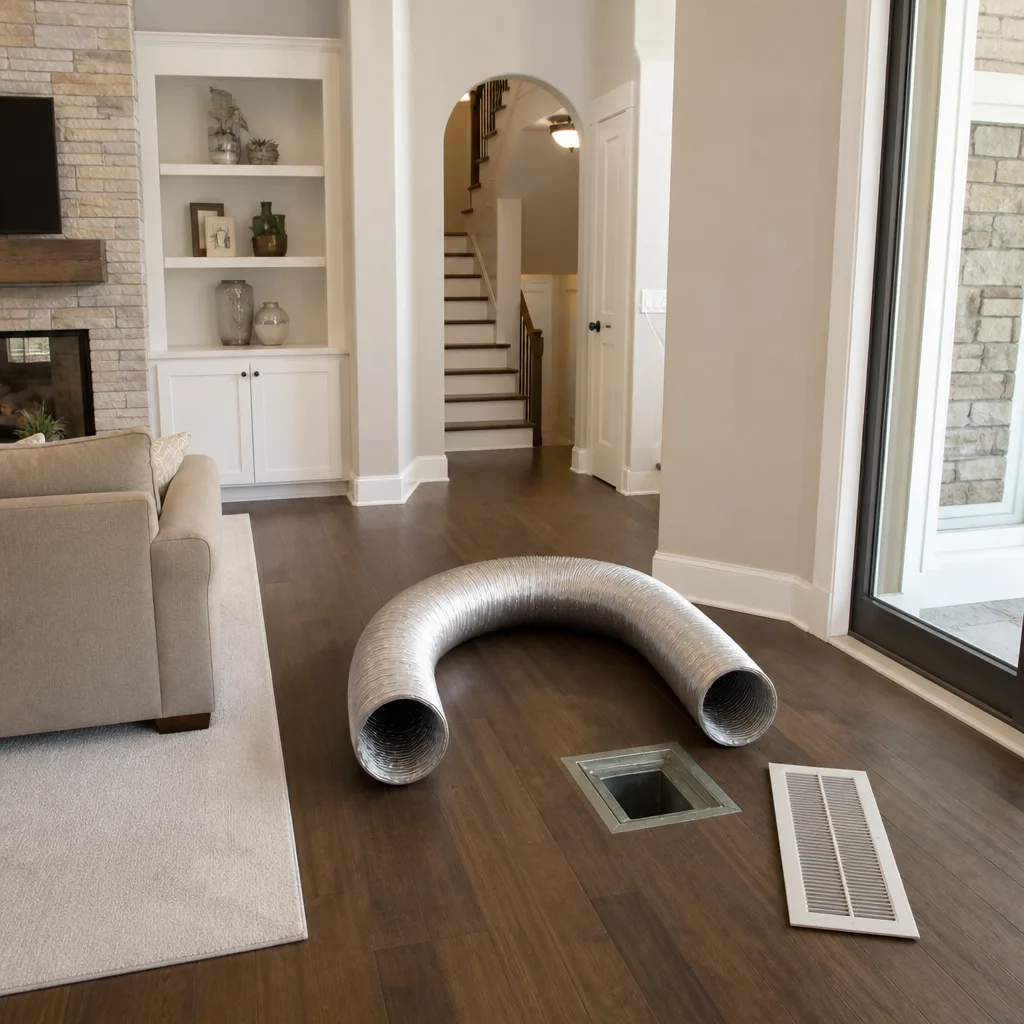 Whole-home duct cleaning
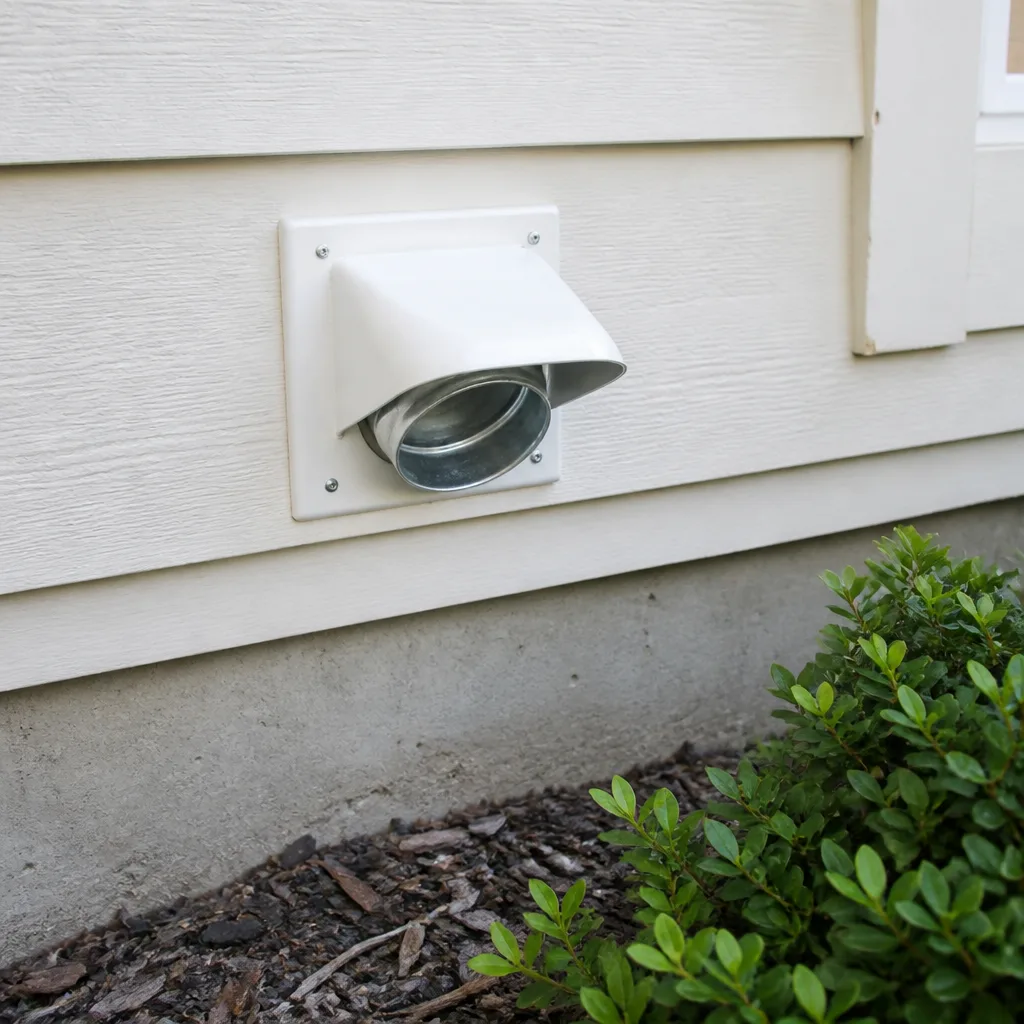 Dryer vent cleaning
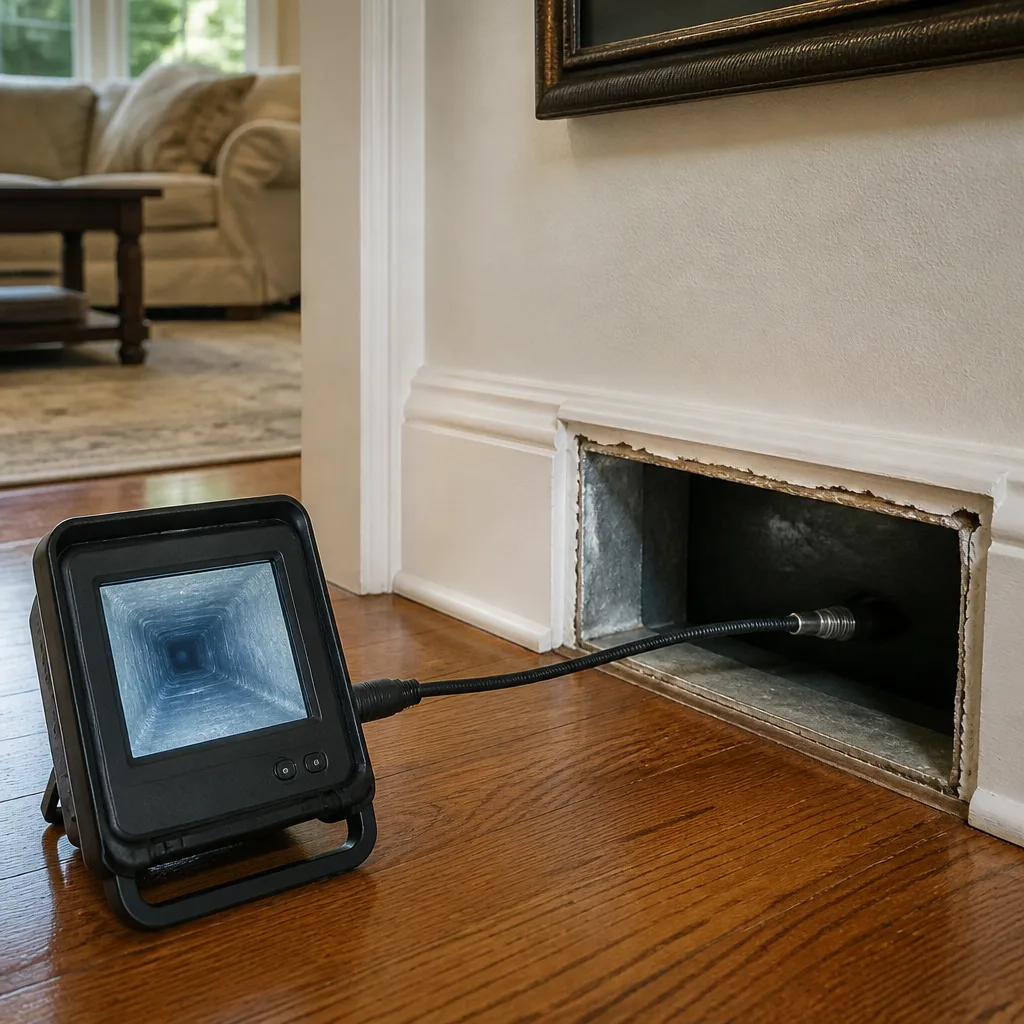 Camera inspection
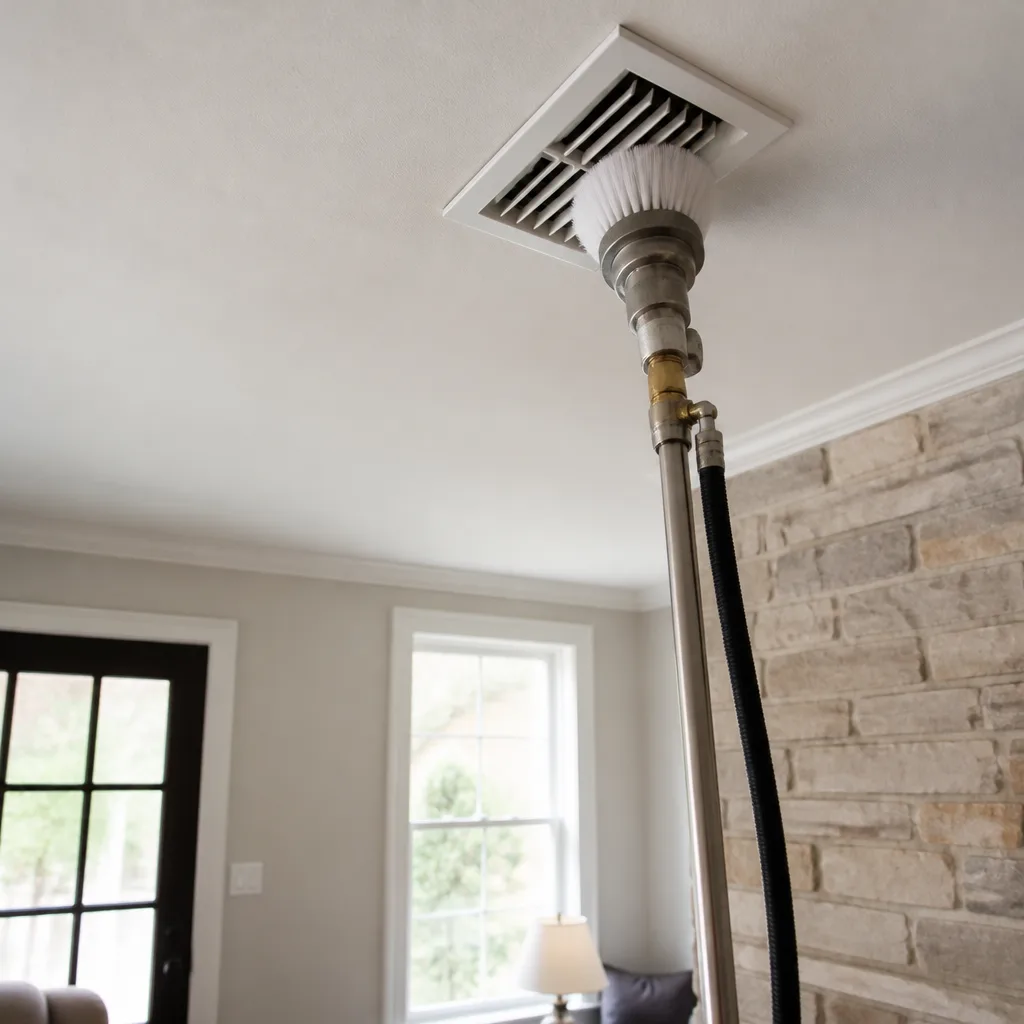 Sanitizing & deodorizing
Whole-system duct and dryer vent check with before-and-after photos - you see exactly what came out of your vents
That "$99 whole-house special" is a bait ad - the real number appears once they are in your hallway, or the "clean" is a shop-vac at the register. We photograph the inside of your ducts before and after instead.
Seasonal Air Duct Cleaning Care for Reseda: Year-Round Homeowner’s Guide
In Reseda, your heating system may sit completely idle from April through October. Six months of stagnant air inside metal ductwork, with no airflow to carry debris out, means the first heat cycle of November is pushing whatever settled over the summer directly into your living space. This guide explains the two HVAC seasons and two transition periods that actually define duct maintenance here, what accumulates during each, and how to time professional cleaning so you’re not paying for work the valley climate renders pointless.
Styles & brands we work with
- Whole-home duct cleaning
- Dryer vent cleaning
- Camera inspection
- Sanitizing & deodorizing
Quick Answer
Reseda homes need air duct cleaning timed to two seasonal triggers: once before the summer AC run (April to May) and again after wildfire season or before the first heating cycle (October to November). Most homes in the area need professional cleaning every one to two years depending on pet load, home age, and proximity to major roads like Reseda Boulevard and Sherman Way.
Table of Contents
- Why Reseda’s Climate Demands a Different Cleaning Schedule
- Pre-Summer Cleaning: The April to May Window
- Summer Operation: Keeping a Running System Clean
- Fall Transition: The Dormant Duct Problem
- Wildfire Season Protocol: Ash and Smoke Intrusion
- Annual vs. Biennial Cleaning: What Reseda Homes Actually Need
- What You Can Do Yourself vs. What Needs Commercial Equipment
- Common Mistakes to Avoid
- When to Call a Professional
- Frequently Asked Questions
- The Bottom Line
Why Reseda’s Climate Demands a Different Cleaning Schedule
Most duct cleaning advice is written for places with real winters. That advice doesn’t transfer to Reseda. Homes here run air conditioning for roughly six months straight, cycle through a short shoulder season, then run heat for three to four months depending on the winter. What that means for ductwork is simple: the system rarely gets a break, but when it does, the break is long enough for everything inside it to settle and harden.
Reseda sits in the San Fernando Valley, where summer temperatures routinely stay above 90 degrees from June through September. That means your AC is moving air through ductwork daily, all day. Any loose particulate inside the system, whether it’s drywall dust from a renovation on Vanalden Avenue or fine silt that blew in through a compromised return seal, gets pushed into the living space continuously. When winter arrives, the pattern flips. The furnace pushes hot air through the same ducts, baking onto interior surfaces whatever moisture and organic matter accumulated during the humid late-summer months.
This seasonal rhythm creates two distinct contamination patterns. The summer months grind fine particulate into carpet fibers, furniture, and lungs. The winter months cook that accumulated material, producing a distinct dusty-burn smell that many Reseda homeowners mistake for a furnace problem when it’s actually duct contamination meeting a heat exchanger. A cleaning schedule that ignores either season leaves half the year’s damage in place.
Our team has worked on systems in Reseda homes built in the 1950s and 1960s, many of which have original galvanized steel ductwork. Older metal ducts corrode slowly, shedding zinc oxide particles and rust flakes that newer flexible ducts don’t. That’s a Reseda-specific condition. Add valley particulate, which is finer and more alkaline than coastal air, and you have a contamination profile that requires both mechanical agitation and HEPA filtration to address properly.
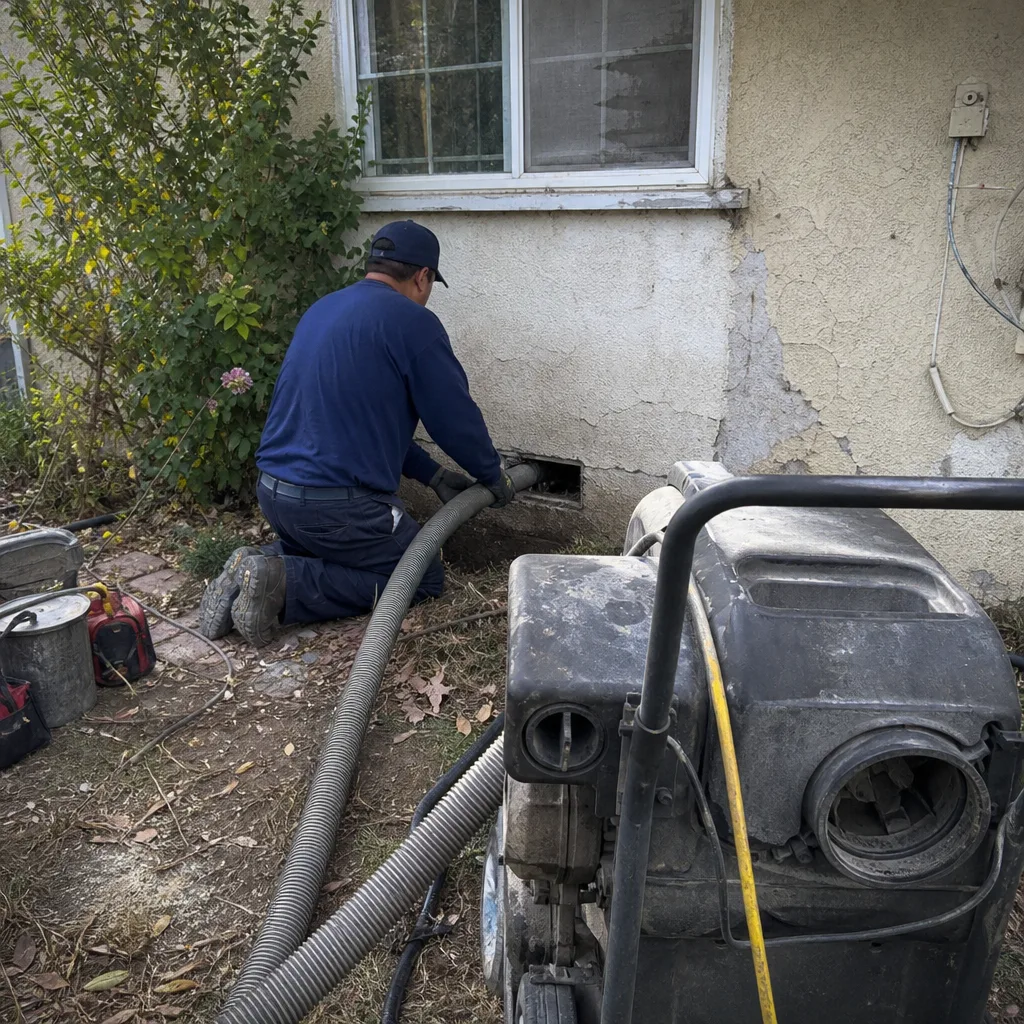
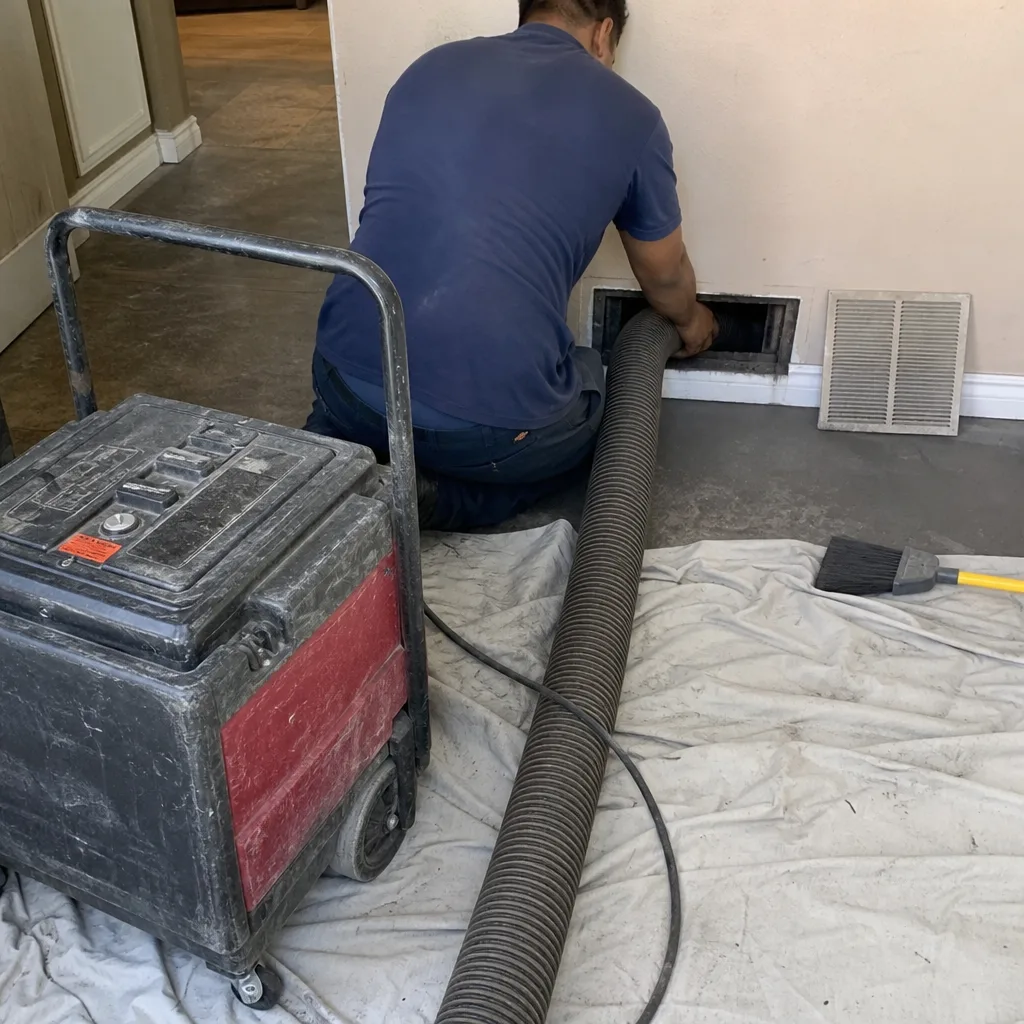
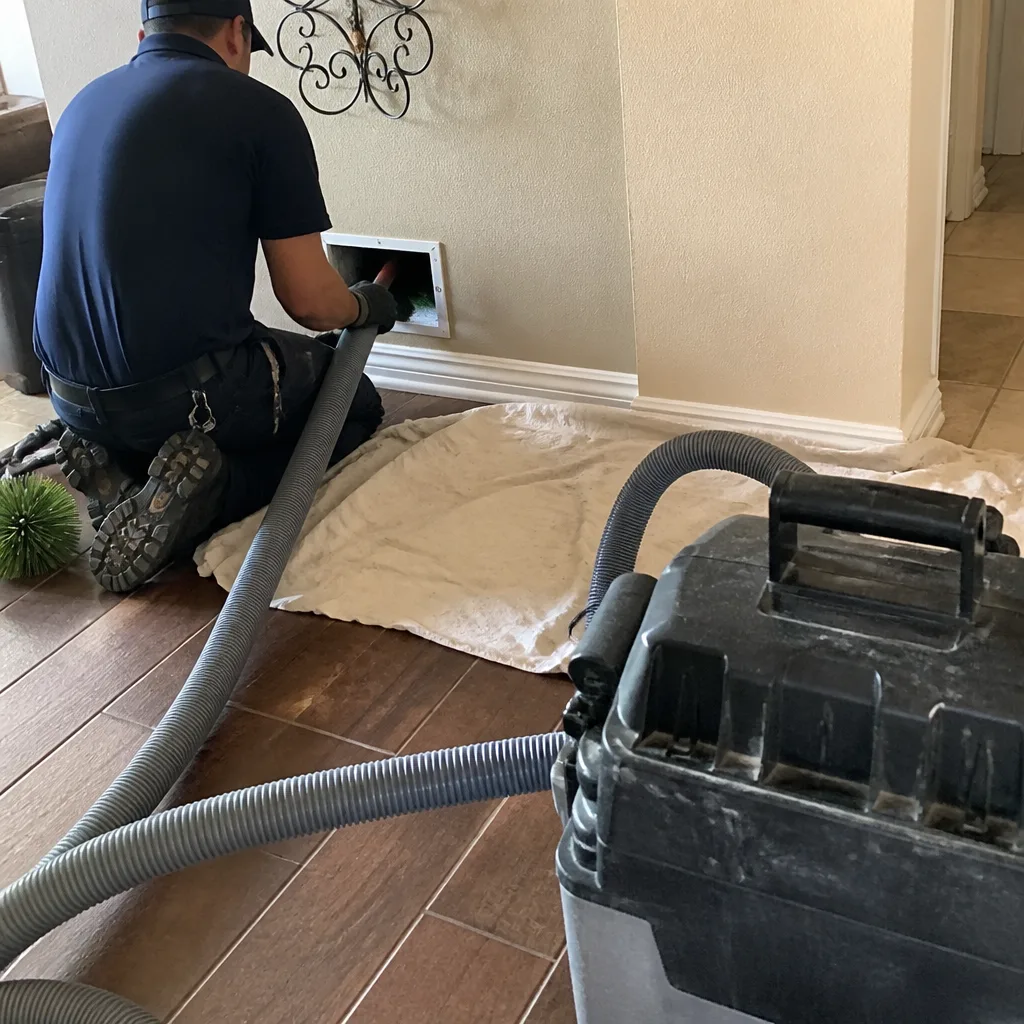
Rotobrush rotary brush systems are the standard for this kind of work. The brush spins through the duct interior, mechanically dislodging debris that vacuum-only systems leave behind. Paired with a Nikro HEPA-filtered vacuum, the process captures what it loosens instead of redistributing it. That matters in Reseda because the particulate here is fine enough to stay airborne for hours after a less thorough cleaning.
For property managers handling duplexes or small apartment buildings near Reseda Park, the scheduling math is similar but with higher stakes. Multiple units share air handling equipment in some older buildings, meaning one tenant’s cooking residue or pet dander becomes another unit’s air quality problem. Seasonal cleaning becomes a liability issue, not just a comfort preference.
Pre-Summer Cleaning: The April to May Window
The most important cleaning window in Reseda is April through May. Here’s the simple logic: whatever is inside your ducts now will circulate through your home continuously for the next six months. If that debris includes pollen from the February and March wildflower bloom, pet dander accumulated over winter, or construction dust from a spring remodel, your AC will distribute it into every room, every day, from June through September.
Spring in the valley brings specific contaminants. The Santa Ana winds taper off, but not before they’ve driven fine dust through window screens and door seals. Spring bloom, particularly from ornamental trees planted throughout Reseda’s residential streets, produces pollen that enters through open windows and gets drawn into the return ducts. Once inside, it settles and waits. When the AC starts cycling in May and June, that pollen re-enters the living space at exactly the moment seasonal allergies are most active in Los Angeles County.
Here’s what a pre-summer cleaning should address:
- Removal of accumulated winter dust and spring pollen from supply and return ducts
- Inspection of the return plenum for gaps that pull attic or crawlspace air into the system
- Cleaning of the evaporator coil if accessible through the duct openings
- Replacement or cleaning of the system air filter
- Testing airflow at registers to identify blockages before the high-demand season
Homeowners in Reseda should also consider upgrading filtration before summer. The company is authorized to work with Honeywell and Aprilaire air-quality systems, which means filtration improvements can happen during the same visit as the cleaning. A media filter cabinet or electronic air cleaner installed in April or May works through the entire summer season, capturing the fine valley particulate that passes through standard one-inch filters.
Here’s how to time it. Schedule the cleaning for late April or early May, before the first sustained heat wave. That way the system is clean before the AC runs daily, and any lingering cleaning dust has a week or two to settle before the real demand begins. Waiting until July means you’ve already spent a month circulating winter accumulation through the house.
Summer Operation: Keeping a Running System Clean
Once the AC is running daily, the system is no longer dormant, but it’s not self-cleaning either. In fact, summer operation introduces a different problem: continuous negative pressure in the return side pulling outdoor particulate into any imperfect seal. During a dust event, a high-wind day, or wildfire smoke intrusion, even a small gap in the return plenum becomes an active doorway for outdoor air.
Reseda’s summer air quality varies dramatically. On days when the marine layer burns off early and the valley heats up, ozone levels climb and fine particulate hangs in the stagnant air. If your system is sealed correctly, the filter catches most of what enters through the return grilles. If there’s a gap anywhere in the return ductwork, especially in an attic or crawlspace, unfiltered air bypasses the filter entirely and enters the supply side.
You can identify whether your system is pulling attic air with a few simple checks:
- Run the AC for 20 minutes, then place your hand near a supply register. Air should feel cool and clean. If it smells musty or attic-like, you may have a return leak.
- Check the filter. If it’s clogged quickly in summer despite no obvious household dust source, outdoor particulate is likely being pulled in.
- Note whether certain rooms get dustier during summer months. That suggests their supply ducts pass through a contaminated or compromised area.
- Listen for a whistling or sucking sound near the air handler when the system runs. That’s unfiltered air entering somewhere it shouldn’t.
If you identify a return leak, a professional air duct repair in Reseda should seal the gap before further cleaning. Cleaning a system with an active leak means recontamination within weeks, wasting the service. Abatement Technologies containment equipment is used during service to prevent cross-contamination of living spaces while repairs and cleaning happen.
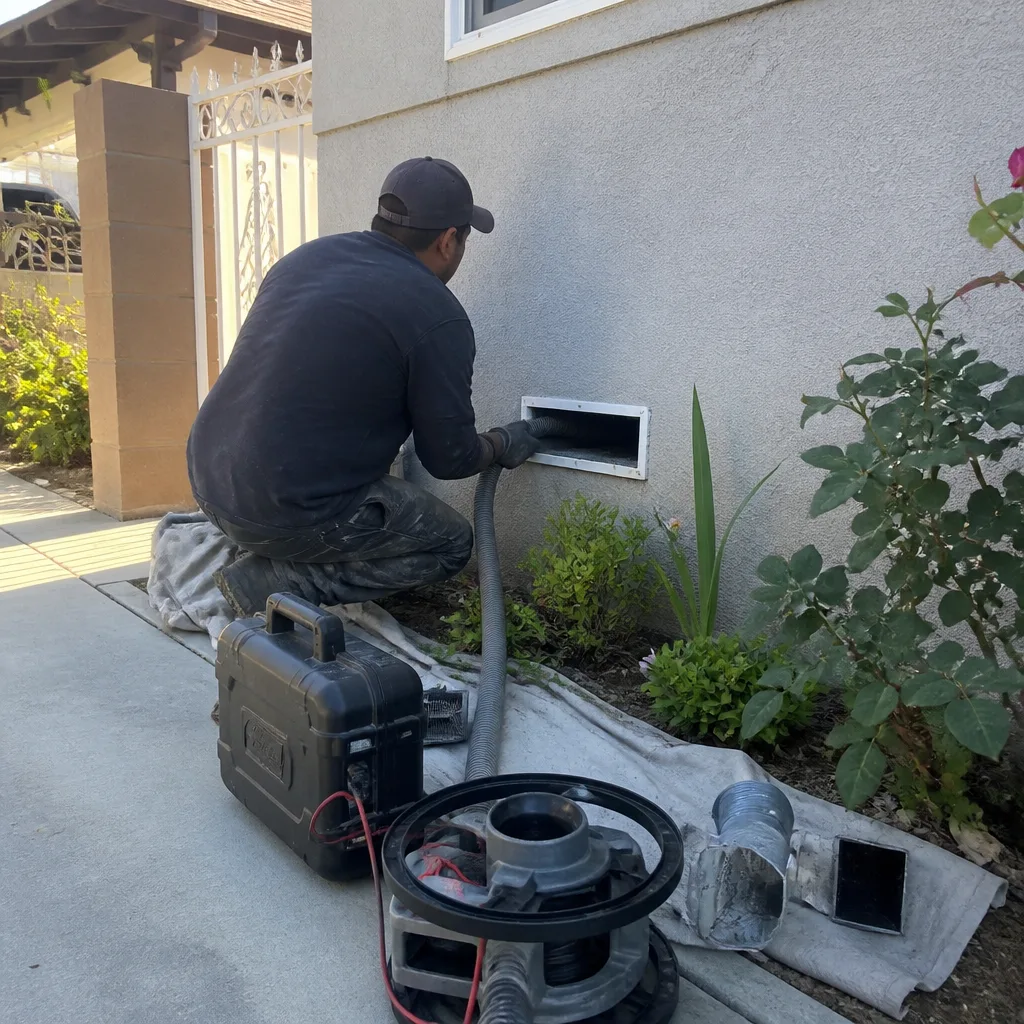
Summer is also when dryer vents work at their worst. The heat load on a dryer pushing hot, moist air through a vent that has accumulated six months of lint is substantial. We address this as part of our dryer vent cleaning in Reseda service, a separate specialty that reduces fire risk and shortens dry times.
Fall Transition: The Dormant Duct Problem
October and November bring the second critical window for Reseda homeowners. After six months of continuous AC operation, the system shuts down for a few weeks as temperatures moderate. Then the first cold night arrives and the furnace kicks on. That’s when homeowners smell it: a dusty, stale, sometimes sour odor that fills the house for the first few heat cycles. That smell is the summer’s accumulated residue being heated for the first time.
What accumulates during summer operation? Fine dust that made it past the filter, skin cells and pet dander shed while windows were closed, humidity-related microbial growth in the cool, dark supply ducts, and any debris that settled near registers during the fall lull. When the furnace fires, the heat exchanger raises duct temperature to 120 degrees or more. That temperature volatilizes some organic compounds and scorches fine dust, producing a distinct odor that no air freshener covers.
Here’s a numbered step-by-step for the fall transition:
- Before the first heating cycle, remove and inspect the filter. If it’s gray or clogged, replace it.
- Turn the furnace fan on without heat for 30 minutes. This circulates room-temperature air through the ducts and loosens some summer dust.
- Vacuum all register covers and wipe them down. Use a damp cloth to remove surface dust that would otherwise be blown into the room.
- Turn on the heat and note any persistent odor. A slight dusty smell for the first cycle is normal. A strong, sour, or persistent smell indicates accumulated contamination requiring professional attention.
- If the smell lingers beyond two days of operation, schedule a seasonal air duct cleaning in Reseda before the heating season is in full swing.
Homes with pets see worse fall smells. Animal dander accumulates during summer months when the AC recirculates indoor air constantly. When heat comes on, that dander bakes. Homes with multiple animals or long-haired breeds may need fall cleaning to be an annual event rather than an every-other-year one.
The dormant period between seasons is also when rodent activity in ducts becomes most likely. As temperatures drop, rodents seek warmth and shelter, and attics with exposed ductwork are prime targets. Droppings, nesting material, and urine in ducts are contamination events that require both cleaning and sealing of entry points.
Wildfire Season Protocol: Ash and Smoke Intrusion
Wildfire season now overlaps with both summer operation and fall transition in Reseda. Smoke events from fires in the Santa Monica Mountains or farther north can push ash and smoke particulate into homes, drawn through attic vents, crawlspace openings, and any exterior gaps. The science is straightforward: when smoke surrounds your home, your HVAC system pulls it inside, and if the filter isn’t designed for fine particulate, much of what enters circulates through the living space.
After a nearby fire event, homeowners should follow this assessment protocol before running the system normally:
- Inspect the return grilles. If there’s visible gray or black residue on the grille or the surrounding wall, ash entered the system.
- Check the filter. A filter that’s dark gray or black after a smoke event has captured significant particulate and may be fully loaded.
- Remove the register cover in a few rooms and run a finger inside the duct. Gray smudging on your finger indicates ash deposition inside the ductwork.
- Look at the return plenum, where the duct connects to the air handler. Ash collects there first as it’s drawn into the system.
- If any of these checks show ash, do not run the system at high fan speeds. High airflow will redistribute ash throughout the home.
Professional wildfire-related cleaning requires equipment designed for fine particulate. Nikro HEPA-filtered vacuums capture ash at 99.97% efficiency at 0.3 microns, which is exactly the technology needed for smoke residue. Standard shop vacuums, by contrast, exhaust much of what they collect back into the room. The same applies to the containment side: Abatement Technologies equipment creates negative pressure zones that keep ash from migrating during cleaning.
After wildfire-related cleaning, the system should be evaluated for filter upgrades. A standard one-inch fiberglass filter does essentially nothing for smoke particulate. Upgrading to a Honeywell or Aprilaire media filter with a MERV 13 or higher rating provides meaningful protection against future smoke events, and the company can install that upgrade during the same service visit.
Annual vs. Biennial Cleaning: What Reseda Homes Actually Need
Every two years is the baseline recommendation for most Reseda homes, but specific household conditions push that to annually. The factors that matter here are different from other markets. Valley particulate is finer and more persistent than coastal air, older homes have older ducts that shed more material, and pet density in the San Fernando Valley is higher than the national average.
Here’s a practical table for deciding your interval:
- Annual cleaning: pets of any kind in the home, residents with allergies or asthma, home built before 1980 with original ductwork, any history of water intrusion in the duct system, prior rodent activity, wildfire smoke exposure in the last 12 months, proximity to a major road or construction site, family members who smoke indoors, recent renovation work.
- Biennial cleaning: no pets, no respiratory conditions, home built after 1990 with sealed flexible ducts, no wildfire exposure, clean household with regular filter changes, minimal nearby construction.
The single biggest factor is home age. Reseda’s housing stock spans from post-war bungalows to newer stucco construction. Pre-1980 homes typically have galvanized steel ductwork that accumulates debris in seams and corners where flexible-method brushes are less effective. Those systems need mechanical agitation from Rotobrush equipment more frequently because debris gets packed into corners that air movement alone won’t clear.
Filter maintenance interacts directly with cleaning intervals. Homes that change filters every 30 days stretch the time between professional cleanings. Homes that ignore filters for months see accelerated accumulation and may need cleaning more often than annually in severe cases. Filter upgrades, particularly to Air Duct Cleaning Reseda home recommended media filters, have the greatest impact on extending the interval between professional services.
Our team has seen Reseda homes where the ducts were cleaned for the first time in 20 years. The volume of material removed from those systems routinely fills a contractor bag or more per home. Those are extreme cases, but they demonstrate what happens when cleaning is deferred indefinitely. The system doesn’t stop accumulating; it just keeps redistributing what’s already inside.
What You Can Do Yourself vs. What Needs Commercial Equipment
There’s a meaningful distinction between maintenance you can perform and cleaning that requires professional equipment. Homeowners can and should replace filters, vacuum register covers, and inspect visible duct openings. But the interior of ductwork, beyond a foot or so from each register, is inaccessible to any consumer tool. That’s where the difference between a professional service and retail products becomes clear.
Retail duct cleaning kits exist, typically consisting of a flexible rod with a brush head that attaches to a drill. Their reach is limited to the first few feet of duct from the register, and they don’t remove dislodged debris from the system. They move dust around without extracting it. The Rotobrush and Nikro systems professional cleaners use combine mechanical agitation with HEPA-filtered vacuum collection, removing what they loosen instead of just relocating it.
An honest breakdown of the DIY vs. professional line:
- You can: change filters, vacuum registers, wipe supply covers, inspect visible duct sections, seal minor gaps at register boxes, keep the area around the air handler clear.
- You cannot: reach the interior of main trunk lines, clean the return plenum effectively, correct airflow imbalances caused by blocked branch ducts, remove dried-on debris that requires mechanical brushing, identify interior duct leaks, apply antimicrobial treatments where appropriate, or perform dryer vent cleaning beyond the first few feet of the vent run.
The accessibility problem is systematic. Residential ductwork in Reseda runs through attics and crawlspaces that are cramped, hot, and difficult to navigate. Even if you owned the equipment, the physical labor of cleaning an entire duct system properly takes hours and requires working in spaces most homeowners never enter. There’s a reason this is a professional trade with dedicated equipment.
Common Mistakes to Avoid
- Relying on the filter to keep ducts clean. The filter protects the air handler, not the ducts. Air moves through the filter first, but filtrate entering after the filter or through return leaks bypasses it entirely. Filters reduce accumulation; they don’t eliminate it.
- Cleaning in the wrong season. Mid-summer and mid-winter cleanings happen when the system is running constantly, which means dislodged debris is quickly redistributed. The shoulder seasons, April to May and October to November, are optimal for Reseda.
- Assuming a musty smell means mold. Often it’s accumulated dust and organic matter in a dormant system. But if the smell persists after cleaning, further investigation of moisture sources is warranted. A professional cleaning should include checking for active water intrusion.
- Ignoring the return side. Most visible debris is at supply registers, but the return side carries unfiltered air from the living space and draws from more contaminated areas. A return-side emphasis is part of professional service.
- Waiting for a problem to appear. Duct contamination is invisible until it shows up as dust accumulation on furniture, worsening allergies, or a strange smell. By the time you notice, the system has been circulating contaminated air for weeks or months.
- Using the wrong equipment. Retail brush-and-drill kits and shop vacs don’t extract what they loosen. Professional systems combine mechanical agitation with HEPA-filtered collection. The equipment matters more than the labor cost per hour.
- Falling for a bait-and-switch quote. The duct cleaning industry has a reputation for low teaser prices that become large invoices, often with per-vent pricing. A professional flat-rate quote for the whole system, agreed before work starts, is the air duct cleaning in Reseda standard worth insisting on.
When to Call a Professional
Professional cleaning should be scheduled in the following circumstances: you’ve never cleaned the ducts in a Reseda home you’ve owned for more than two years; you’ve had renovation work that produced heavy dust; the system was exposed to wildfire smoke; you smell a persistent odor on first heating cycle that doesn’t dissipate; a family member’s allergies or respiratory symptoms worsen indoors and improve away from home; you can see visible dust or debris at multiple register openings; or your dryer takes longer than one cycle to dry a standard load. These are not all emergencies, but they’re all signs that the system needs attention beyond what filters and register vacuuming address. Air Duct Cleaning Reseda offers free estimates in Reseda. Call (855) 353-1653 to schedule a professional assessment.
Frequently Asked Questions
Professional air duct cleaning in Reseda typically runs $350 to $700 for a standard single-family home depending on the number of systems, the home’s square footage, and the level of contamination. Homes with multiple furnaces, large duct runs, or heavy accumulated debris fall at the higher end or beyond. A flat rate for the entire system, agreed before work begins, is the standard you should expect. Call (855) 353-1653 for a free estimate based on your specific home.
Every one to two years for most homes, with annual cleaning recommended for households with pets, residents with respiratory conditions, older homes with original metal ducts, or any wildfire smoke exposure. The San Fernando Valley’s fine particulate and the seasonal dormancy pattern specific to Reseda’s climate push most homes away from the longer intervals seen in other markets. Filter maintenance and household conditions determine which end of the range applies to you.
Cheap duct cleaning quotes typically reflect the equipment and method being used. A service that uses a large portable vacuum attached to the main plenum, without rotary brush agitation, can clean a system in 45 minutes and charge accordingly. The problem is that it doesn’t remove debris that’s adhered to duct surfaces. Professional systems like Rotobrush use mechanical agitation to dislodge compacted debris, and Nikro HEPA filtration to extract it. The price difference reflects the equipment and the thoroughness of the work.
Before-and-after photos of the duct interior should be available from any legitimate service. Ask the technician to photograph the same duct sections before and after cleaning, especially areas that showed visible accumulation. Reputable companies operating in Reseda have no problem providing visual documentation. You can also check filter condition after the first few days of operation: a clean system loads a new filter slowly, not immediately.
For households where allergens accumulate inside the home, including pet dander and dust mites, removing that material from the duct system reduces its redistribution through the living space. But duct cleaning is not a standalone allergy solution. It works best combined with improved filtration, which is why the company works with Honeywell and Aprilaire systems that can be installed during the same service.
April through May and October through November. The first window cleans the system before the AC runs continuously for six months. The second cleans it before the furnace heats everything that accumulated during summer dormancy. Both windows sit in the shoulder seasons when the system isn’t running constantly, which means dislodged debris settles and is extracted rather than redistributed. Call (855) 353-1653 to schedule in either window.
The Bottom Line
Reseda’s climate dictates a two-season approach to duct care: clean before summer AC operation and again before winter heating. The dormant periods between seasons are when accumulation hardens, and the first cycle of each new season is when that material circulates through your living space. Homes with pets, older ductwork, or recent wildfire exposure should clean annually. Homes without those conditions can often go two years. The equipment matters, the timing matters, and the valley’s fine particulate makes both more urgent here than in most of the country. A professional cleaning with true HEPA extraction and rotary brush agitation is the only method that removes what’s actually inside your ducts.
Written by the team at Air Duct Cleaning Reseda, serving Reseda since 2011.
See the difference
 Before
 After
 Before
 After
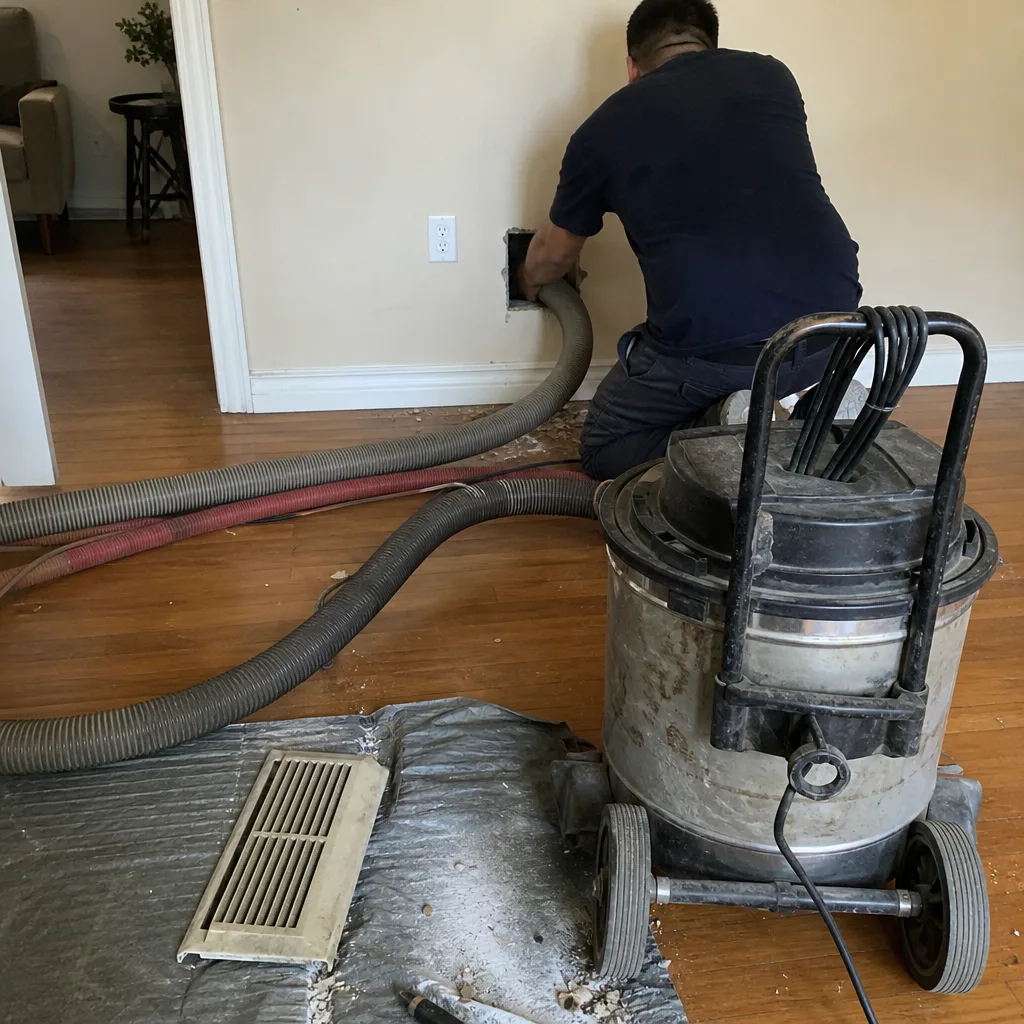 Before
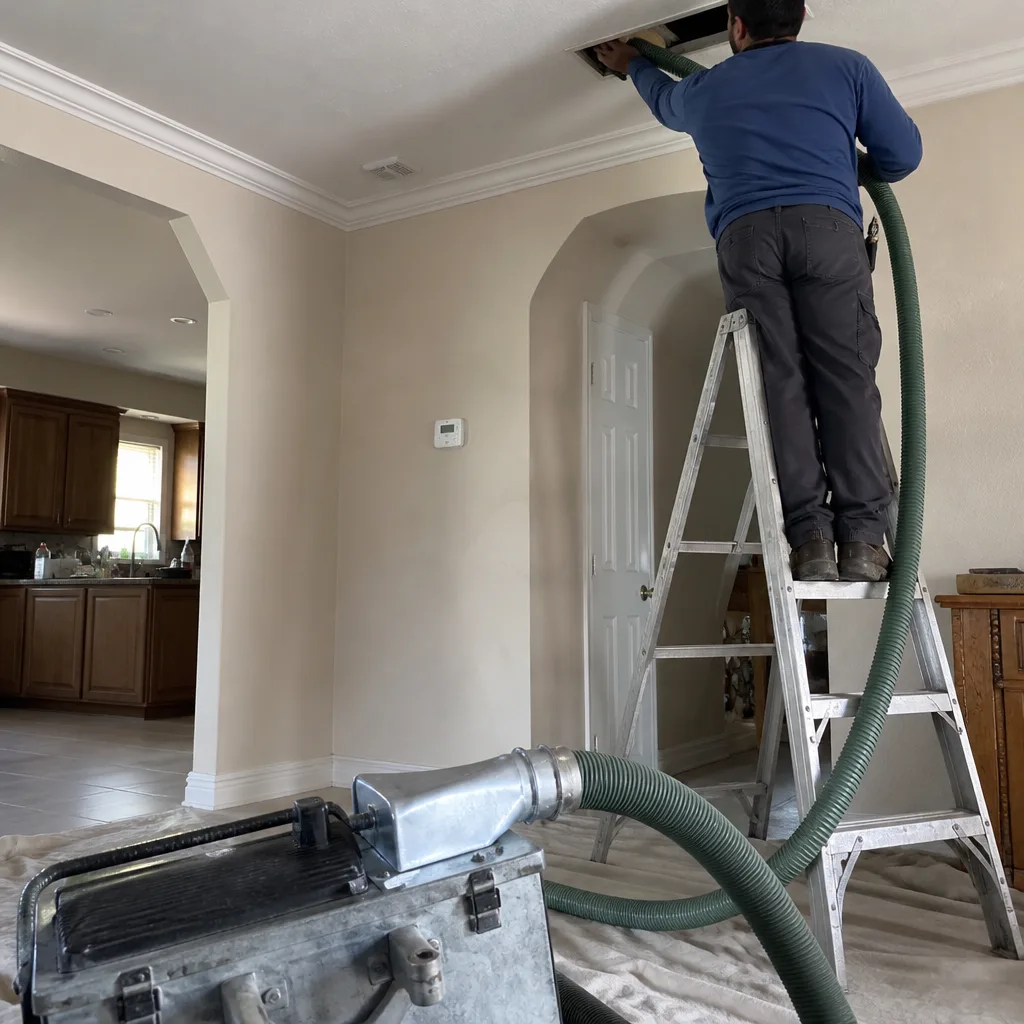 After